The Shipwreck of the Bom Jesus: A Lost Portuguese Vessel of the Age of Exploration
A Ship Lost to History
In the year 1533, the Portuguese ship Bom Jesus set sail from Lisbon, bound for the riches of India. Laden with a cargo of ivory, copper, and gold, the vessel was part of Portugal’s thriving trade network that spanned Europe, Africa, and Asia during the Age of Exploration. Yet, somewhere along the perilous route around Africa’s southern tip, the ship vanished without a trace.
For nearly five centuries, the fate of the Bom Jesus remained a mystery. No survivors, no records, and no debris were ever found. The story of the lost vessel lingered as one of the many maritime enigmas of the early modern world.
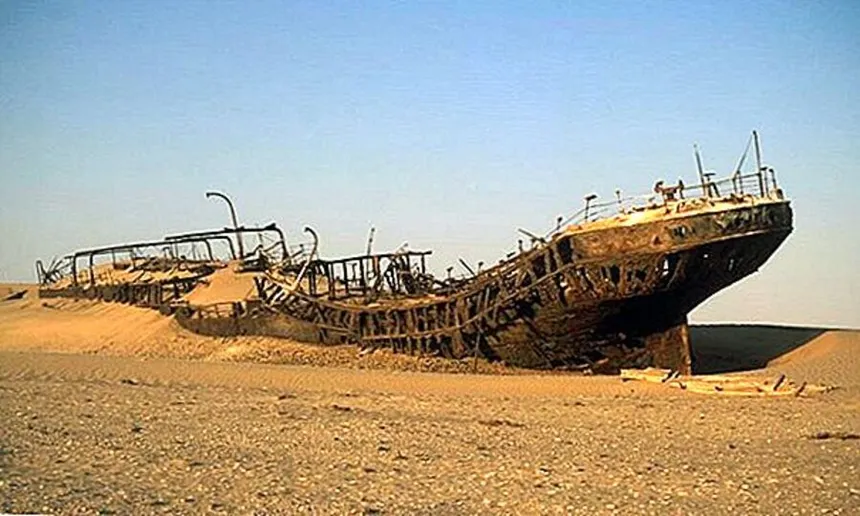
That mystery finally unraveled in 2008, when diamond miners working along Namibia’s Skeleton Coast stumbled upon a shipwreck buried under layers of sand. What they found shocked archaeologists and historians alike: the long-lost Bom Jesus, remarkably preserved with its cargo intact, offering a time capsule of 16th-century maritime trade.

The Age of Exploration and Portugal’s Role
The 15th and 16th centuries marked an era of bold maritime ventures known as the Age of Exploration. Portugal, with its advanced navigation techniques and powerful fleet, stood at the forefront.
-
New Routes to India: Portuguese navigators such as Vasco da Gama had established sea routes to India by the late 15th century, bypassing traditional overland trade controlled by Middle Eastern powers.
-
Global Trade Dominance: By the 1530s, Portugal controlled key ports along Africa, India, and Asia, commanding a lucrative trade in spices, ivory, and precious metals.
-
The Carreira da Índia: Known as the “India Run,” this maritime route between Lisbon and Goa became the backbone of Portugal’s empire. Ships like the Bom Jesus were vital links in this vast commercial web.
The Bom Jesus was part of this enterprise, tasked with transporting valuable commodities to secure Portugal’s dominance in global commerce.
The Disappearance of the Bom Jesus
When the Bom Jesus set sail in 1533, it carried:
-
Ivory: Elephant tusks sourced from Africa, highly prized in Europe and Asia for luxury goods.
-
Copper Ingots: Essential for tools, trade, and currency exchange.
-
Gold Coins: Minted across Europe, representing Portugal’s vast trade wealth.
Somewhere along Africa’s treacherous Atlantic coast, the ship disappeared. Scholars speculate that storms, strong currents, or navigational errors pushed the vessel off course. The Skeleton Coast of Namibia, infamous for its harsh conditions and shipwrecks, likely sealed its fate.
Without survivors or reports, the Bom Jesus slipped into obscurity, becoming one of Portugal’s many lost ships of the era.
The Discovery on the Skeleton Coast
Nearly 500 years later, in April 2008, miners searching for diamonds uncovered timbers, metal, and unusual objects buried beneath desert sands along Namibia’s Skeleton Coast. Realizing they had found a shipwreck, they contacted archaeologists from the Namibian National Museum.
The investigation revealed the astonishing truth: they had discovered the Bom Jesus, preserved in remarkable condition.

Key Finds from the Wreck:
-
Over 40 tons of copper ingots stamped with markings from the Fugger family, a powerful German banking dynasty.
-
More than 100 elephant tusks, representing one of the oldest and largest ivory cargoes ever discovered.
-
Gold coins from Portugal, Spain, and other European states.
-
Ship timbers, weaponry, and navigational equipment, shedding light on Portuguese shipbuilding.
The desert sands, combined with the seawater environment, had created a natural vault that protected the cargo from corrosion and decay.
The Cargo: A Glimpse into 16th-Century Trade
The Bom Jesus carried a cargo that reveals much about global trade in the 16th century.
Ivory
Elephant tusks were a luxury commodity, used for carvings, religious artifacts, and decorative objects in both Europe and Asia. The discovery of tusks aboard the ship highlights Africa’s role as a major supplier in global trade.
Copper Ingots
The 40 tons of copper ingots bore the stamp of the Fugger banking dynasty, showing the interconnected nature of European finance and trade. These ingots were likely intended for Asian markets, where copper held immense value.
Gold Coins
The gold coins found aboard came from multiple European states, underscoring the multi-national character of maritime commerce during this period. The coins served both as currency and as proof of Portugal’s access to wealth.
Together, these artifacts illustrate the complex web of trade routes linking Europe, Africa, and Asia during the Age of Exploration.
Archaeological Significance
The discovery of the Bom Jesus is considered one of the most significant maritime archaeological finds in history.
-
Exceptional Preservation: The dry desert climate preserved materials that would normally decay in ocean waters.
-
Historical Validation: The find confirmed historical records of Portuguese maritime activity in southern Africa.
-
Multidisciplinary Insights: Archaeologists, historians, and even conservation biologists studied the shipwreck, including DNA analysis of the elephant tusks to trace their African origins.
This shipwreck has become a research treasure trove, offering data about navigation, trade, and ecology of the 16th century.

The Skeleton Coast: A Graveyard of Ships
The Bom Jesus is just one of hundreds of wrecks scattered along Namibia’s Skeleton Coast, a stretch notorious for its treacherous currents, dense fog, and shifting sands. Sailors who washed ashore found only an unforgiving desert with little chance of survival.
This reputation as a “graveyard of ships” makes the Bom Jesus discovery even more poignant — a perfectly preserved symbol of the dangers of exploration.
The Bom Jesus and Portugal’s Maritime Legacy
The rediscovery of the Bom Jesus underscores Portugal’s role as a pioneer of global trade.
-
It highlights the wealth and risk tied to long-distance maritime commerce.
-
It connects to Portugal’s broader history of exploration, conquest, and empire building.
-
It provides tangible evidence of the Age of Discovery’s global networks that shaped the modern world.
For Portugal, the Bom Jesus is both a reminder of triumphs in navigation and the human cost of empire, as many ships and lives were lost in pursuit of trade.
Public Display and Ongoing Research
Since its discovery, the Bom Jesus has attracted international attention. Artifacts recovered from the wreck have been studied extensively, and plans for museum exhibitions in Namibia and Portugal have been discussed to showcase the find.
Conservation efforts continue to preserve fragile materials, especially ivory and wood, which provide irreplaceable insights into 16th-century trade and shipbuilding.
Conclusion: A Time Capsule from the Age of Exploration
The story of the Bom Jesus shipwreck bridges centuries of history. From its tragic disappearance in 1533 to its rediscovery in 2008, the ship provides a direct connection to the Age of Exploration — a time when empires rose on the power of maritime trade.
The treasures within the wreck — ivory, copper, gold — are more than artifacts; they are symbols of a world increasingly bound by commerce, conquest, and cultural exchange.
Today, the Bom Jesus stands as one of the most significant maritime archaeological discoveries ever made, a testament to Portugal’s legacy and a powerful reminder of the risks and rewards of exploration on the high seas.
ALSO READ: The Xerxes Inscription at Van Castle: A Monument of Persian Power