The Black Pharaohs of Kush: Architects of Egypt’s 25th Dynasty
The Rise of the Kushite Pharaohs
The story of the Black Pharaohs of Kush is one of resilience, cultural pride, and imperial ambition. In the 8th century BC, a new force emerged from the south of Egypt, in the Nubian kingdom of Kush. This power not only challenged Egyptian rulers but also seized control of the Nile Valley itself. Led by King Piye (also known as Piankhi), the Kushites forged the 25th Dynasty of Egypt, uniting two powerful civilizations under a single crown.
This remarkable era stands as proof of Africa’s interconnected ancient kingdoms, as well as the enduring influence of Nubia on Egyptian art, religion, and governance.
The Kingdom of Kush: Cradle of the Black Pharaohs
The Kingdom of Kush was located in Nubia, south of Egypt, in present-day Sudan. Situated along the fertile banks of the Nile, Kush was a thriving civilization with deep cultural, economic, and religious ties to Egypt. Though often overshadowed by its northern neighbor, Kush had long absorbed Egyptian influences while also preserving its own unique traditions.
Key features of Kushite civilization included:
-
Rich resources: Gold, ivory, ebony, and incense made Nubia a valuable trading partner.
-
Military strength: Kushite archers, famed as the “Bowmen of Kush,” were feared throughout the region.
-
Spiritual devotion: The Kushites worshipped Amun, just as Egyptians did, blending local traditions with Egyptian beliefs.
By the time of Piye, Kush had become a formidable kingdom in its own right, ready to challenge Egypt’s fractured leadership.
King Piye and the Conquest of Egypt
In the mid-8th century BC, Egypt was politically divided. Regional rulers, known as princes, controlled different cities, weakening the once-great land of the pharaohs. This instability created an opportunity for Kush.
Around 747 BC, King Piye launched a military campaign to reunite Egypt under his authority. His army marched northward, defeating rival leaders and taking control of major cities. Piye’s victory was recorded in the famous “Victory Stela”, inscribed with vivid details of his conquests and his devotion to Amun, the supreme deity.
Piye’s conquest marked the beginning of the 25th Dynasty, the era when the Black Pharaohs would rule as legitimate kings of both Kush and Egypt.
The 25th Dynasty: A Revival of Egyptian Glory
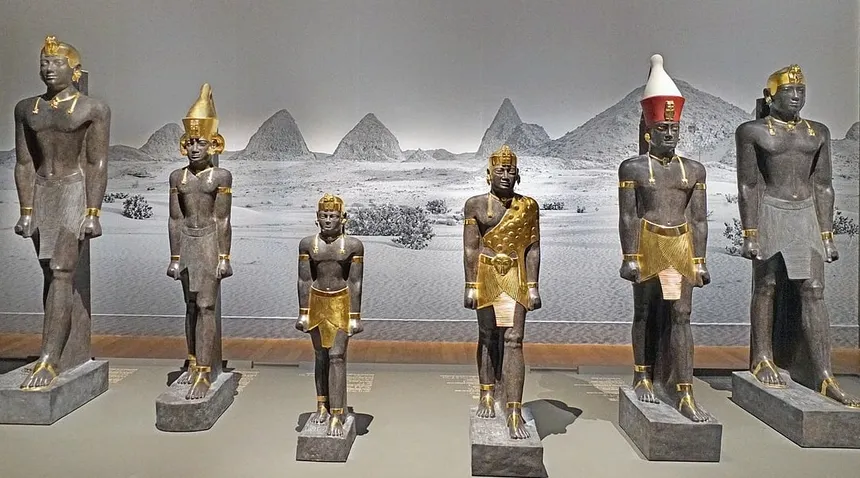
The reign of the Kushite pharaohs is often seen as a renaissance period in Egyptian history. Unlike some foreign rulers, the Kushites embraced Egyptian traditions wholeheartedly, presenting themselves not as conquerors but as restorers of Egypt’s greatness.
Religious Revival
The Kushite kings were devout followers of Amun. They invested heavily in the temples of Karnak and other sacred sites, restoring Egypt’s religious life, which had weakened during previous dynasties.
Architectural Achievements
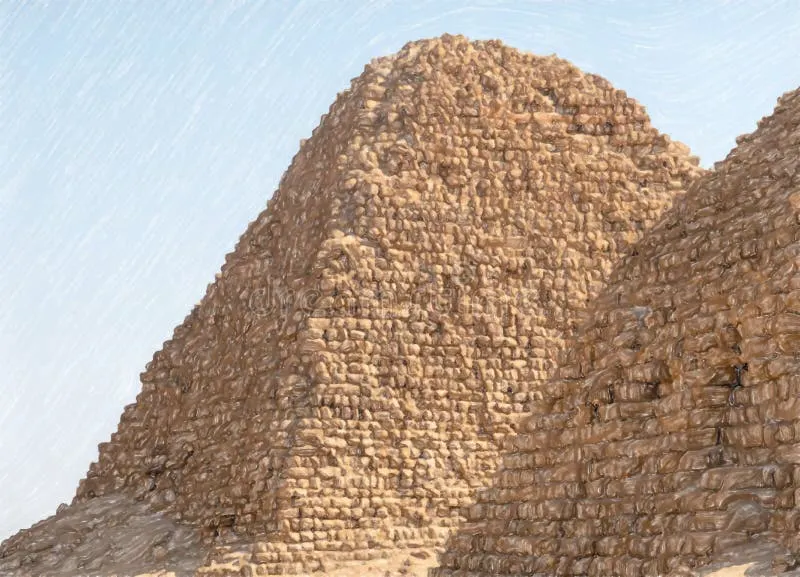
The Kushite rulers built and renovated grand temples across Egypt and Nubia. They also revived the pyramid-building tradition, constructing steep-sided pyramids in Nubia, particularly at sites like El-Kurru and Nuri.
Political Unity
For the first time in centuries, Egypt was united from the Nile Delta in the north to Nubia in the south. The Kushite pharaohs restored centralized authority and brought stability to a fractured kingdom.
The Notable Pharaohs of the 25th Dynasty
The dynasty founded by Piye included several remarkable rulers:
-
Piye (Piankhi): The conqueror and founder of the dynasty.
-
Shabaka: Consolidated Kushite rule in Egypt, further strengthening ties to religious institutions.
-
Shebitku: Maintained stability and secured borders.
-
Taharqa: Perhaps the most famous Black Pharaoh, remembered for his ambitious building projects and his role in defending Egypt against Assyrian invasions.
-
Tanutamun: The last ruler of the 25th Dynasty, who attempted to reclaim Egyptian power before being defeated by the Assyrians.
Each of these kings left a distinct mark on both Egyptian and Kushite history, ensuring that their reign would be remembered as a unique chapter in the Nile Valley’s story.
Cultural and Artistic Contributions
The Black Pharaohs blended Egyptian and Nubian traditions into a unique cultural synthesis:
-
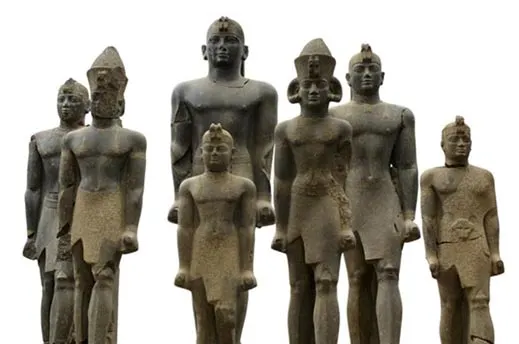
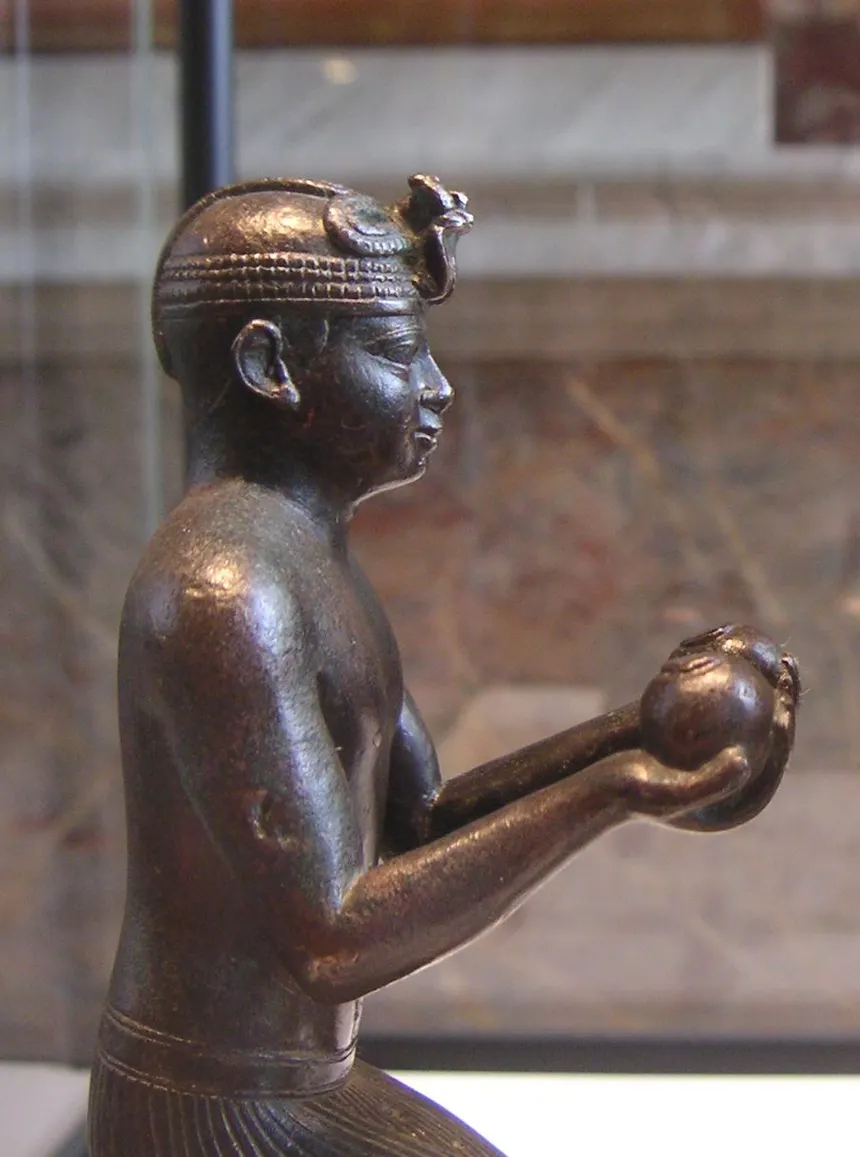
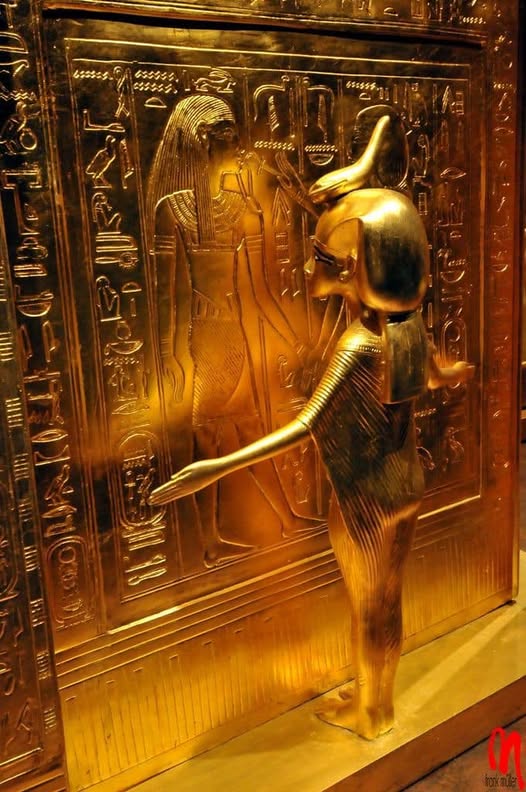
Art and Sculpture: Statues and reliefs from this era often depict the Kushite rulers with distinct Nubian features, affirming their African identity while embracing Egyptian royal iconography.
-
Architecture: The steep pyramids of Nubia stood as both royal tombs and symbols of revival.
-
Language and Writing: Hieroglyphics remained in use, but Nubian elements also appeared in inscriptions, reflecting the fusion of cultures.
This cultural blending reinforced the identity of the 25th Dynasty as a truly African-Egyptian ruling house.
Challenges and Decline of the 25th Dynasty
Despite their achievements, the Kushite pharaohs faced mounting challenges from external powers. The most formidable were the Assyrians, whose empire was expanding across the Near East.
By the reign of Taharqa and Tanutamun, Egypt came under repeated Assyrian invasions. Despite their resistance, the Assyrians eventually captured Memphis and Thebes, forcing the Kushite rulers to retreat back to Nubia.
By 656 BC, the 25th Dynasty came to an end in Egypt, but the Kushite kingdom continued to flourish independently for centuries, leaving behind a powerful legacy.
The Enduring Legacy of the Black Pharaohs
The story of the Black Pharaohs is more than just a tale of conquest; it is a testament to the strength of African civilization. Their reign challenges old misconceptions that sought to downplay Nubia’s role in shaping ancient history.
Today, the pyramids of Nubia, the temples they restored, and the inscriptions they left behind stand as monuments to their greatness. The 25th Dynasty proved that Egypt was not an isolated civilization but part of a wider African network of kingdoms and cultures.
Conclusion
The Black Pharaohs of Kush transformed Egypt during the 25th Dynasty, blending Nubian heritage with Egyptian traditions. Under leaders like Piye and Taharqa, they revived Egypt’s spiritual, political, and artistic life while asserting Africa’s central role in the ancient world.
Though their rule in Egypt was eventually challenged by foreign invaders, the legacy of the Black Pharaohs remains one of resilience, unity, and cultural brilliance. Their story is a reminder that Africa’s ancient past is rich with dynasties that shaped the course of world history.