The Beresovka Mammoth: A Frozen Giant Preserved for 44,000 Years
A Giant Frozen in Time
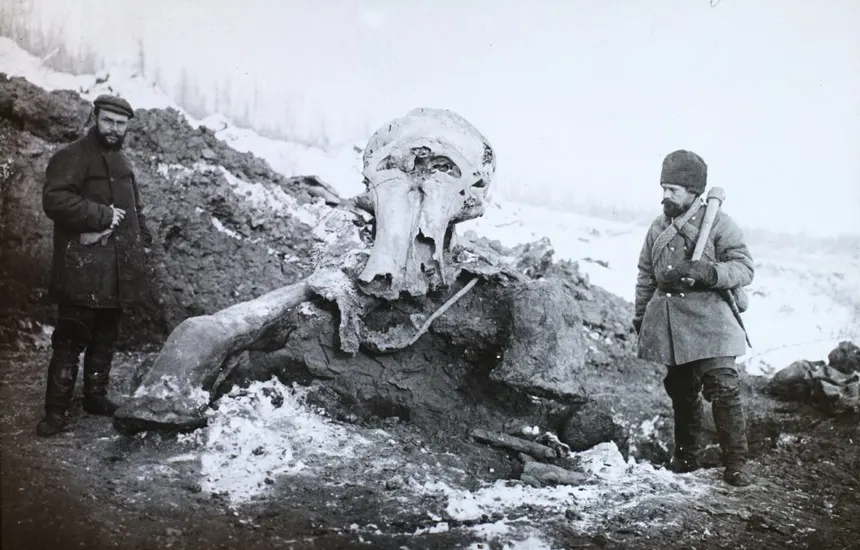
In 1900, a team of explorers in the remote Siberian wilderness stumbled upon one of the most extraordinary paleontological finds in history—the Beresovka Mammoth. Frozen for an estimated 44,000 years, this woolly mammoth offered an unparalleled window into the Ice Age. Unlike many fossilized remains, the Beresovka Mammoth was discovered with undigested grass in its stomach and wildflowers in its mouth, as if it had been frozen mid-meal.
How could such a massive beast, weighing nearly six tons, perish so suddenly and be preserved in such astonishing condition? Was it a climate catastrophe, a sudden glacial trap, or an event beyond our current understanding? More than a century later, the mystery continues to captivate scientists and enthusiasts alike.
The Discovery of the Beresovka Mammoth
Unearthed in Siberia
The Beresovka Mammoth was found near the Beresovka River, a tributary of the Kolyma River in northeastern Siberia. The region is infamous for its harsh climate, permafrost layers, and frozen soil—conditions that allowed this mammoth to remain so remarkably preserved.
A Scientific Treasure
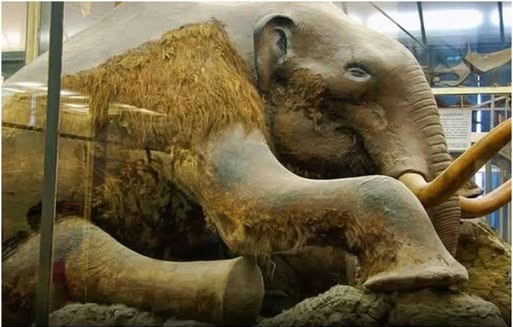
The mammoth was excavated and transported to the Zoological Museum in St. Petersburg, Russia, where it remains one of the most famous specimens on display. Its state of preservation provided scientists with rare opportunities to study fur, organs, and even stomach contents, unlike most fossilized remains that are only skeletal.
Anatomy of a Frozen Giant
Physical Condition
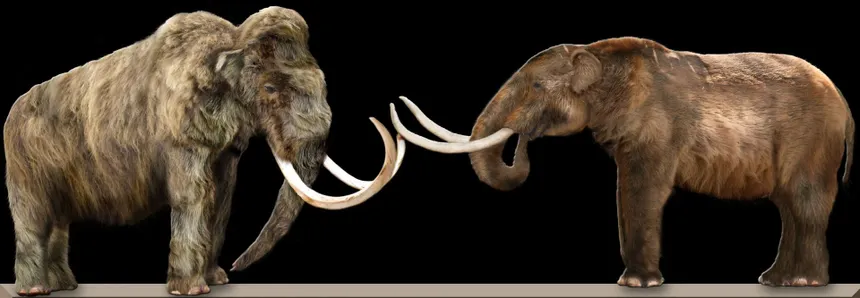
The Beresovka Mammoth stood about 3 meters (10 feet) tall and weighed around 6 tons. Remarkably, much of its skin, fur, and internal organs were intact when it was unearthed, making it one of the best-preserved mammoth specimens in history.
Stomach Contents and Wildflowers
The most shocking discovery was what lay inside and around its body:
-
Wildflowers in its mouth – suggesting it was eating when it died.
-
Undigested grasses and buttercups in its stomach and intestines.
These details indicate the mammoth’s death was sudden and unexpected, freezing it in place before digestion could occur.
The Mystery of Instant Freezing
How Could It Freeze So Fast?
One of the greatest enigmas surrounding the Beresovka Mammoth is how such a large animal froze so quickly. Normally, decomposition sets in within hours after death. Yet here was a giant preserved almost perfectly, as if nature had hit the pause button.
Scientists have proposed several theories:
-
Climate Catastrophe
A sudden drop in temperature, possibly caused by abrupt climate shifts or polar vortex conditions, may have flash-frozen the mammoth before decay could begin. -
Glacial Traps or Mudslides
The mammoth may have fallen into a glacial crevasse, mudslide, or icy river, where freezing conditions preserved its body instantly. -
Magnetic or Cosmic Events (Speculative)
Some fringe theories suggest unusual natural phenomena, such as cosmic impacts or rapid geomagnetic shifts, might have caused catastrophic environmental changes.
While these theories vary, the mystery remains unsolved.
What the Beresovka Mammoth Reveals About the Ice Age
A Snapshot of Prehistoric Ecology
The plant remains found with the mammoth are a direct clue to its habitat and diet. They reveal that Siberia was once covered in lush grasslands, flowers, and steppe ecosystems, unlike the barren tundra seen today.
Climate and Extinction
The mammoth’s preservation underscores the fragile balance of Ice Age ecosystems. It is believed that rapid climate changes, combined with human hunting, contributed to the extinction of mammoths about 4,000 years ago.
The Mammoth in Russian History and Culture
The discovery of the Beresovka Mammoth was not only a scientific breakthrough but also a cultural event in Russia. It inspired curiosity, folklore, and even debates about the nature of extinction at a time when many still believed species could not truly vanish from Earth.
Today, the mammoth remains a symbol of both scientific progress and the enduring mysteries of Earth’s past.
The Science of Frozen Fossils
Why Siberia Preserves Mammoths
Siberia’s permafrost creates perfect conditions for preservation. When animals become trapped in ice or frozen soil, low temperatures and lack of oxygen prevent bacterial decay, essentially “mummifying” the body.
Other Famous Frozen Mammoths
The Beresovka Mammoth is one of several frozen mammoths discovered in Siberia. Others, like the Lyuba mammoth calf, also offer crucial insights. Yet the Beresovka specimen remains the most iconic due to its size and preservation.
Could Mammoths Return?
Cloning and De-Extinction
The exceptional preservation of mammoths like the Beresovka has fueled discussions of cloning and genetic revival. Scientists have extracted DNA from frozen remains and are experimenting with inserting mammoth genes into Asian elephants.
While true cloning is still far from reality, the Beresovka Mammoth has indirectly contributed to this cutting-edge field of de-extinction research.
Lessons from the Beresovka Mammoth
-
Fragility of Ecosystems – The sudden death and preservation of the mammoth remind us how rapidly environmental changes can alter life on Earth.
-
Importance of Preservation – Without permafrost, this discovery would never have been possible, highlighting how natural processes safeguard history.
-
Mysteries Yet Unsolved – Despite modern science, the exact cause of its sudden freezing remains unknown, showing how much there is still to learn.
Conclusion: A Whisper from the Ice Age
The Beresovka Mammoth is more than a frozen relic—it is a time capsule from 44,000 years ago. With wildflowers still in its mouth and undigested grass in its stomach, it offers one of the most vivid windows into prehistoric life ever discovered.
Its mystery—how a creature of such size could freeze so suddenly—remains unsolved. Yet, in that mystery lies its power. It forces us to consider the fragility of life, the unpredictability of nature, and the enduring secrets of our planet’s past.
As the mammoth rests in a Russian museum, it continues to whisper the untold story of the Ice Age, urging humanity to listen carefully to the lessons locked within Earth’s frozen archives.
ALSO READ: Syllipsimopodi bideni: The 296-Million-Year-Old Ancestor of Modern Octopuses 🐙🪨