The Ancient Banded Gneiss Formations of Southern India: Nature’s Art in Stone
Earth’s Timeless Stone Patterns
In the rugged landscapes of southern India, ancient rock formations tell a story that began over 2.5 billion years ago during the Archean Eon. Among these remarkable geological structures are the banded gneiss formations, rocks that display stunning black-and-white striped patterns. These natural designs are not only strikingly beautiful but also carry the memory of Earth’s deep past, preserving evidence of tectonic movements, mountain-building, and crustal transformations.
Seen today as exposed outcrops, these rocks are much more than simple stones. They are nature’s own artwork, forged in the fiery depths of the planet and slowly revealed through erosion. Their presence offers both scientists and travelers a glimpse into Earth’s earliest history.
What Is Banded Gneiss?
Definition and Composition
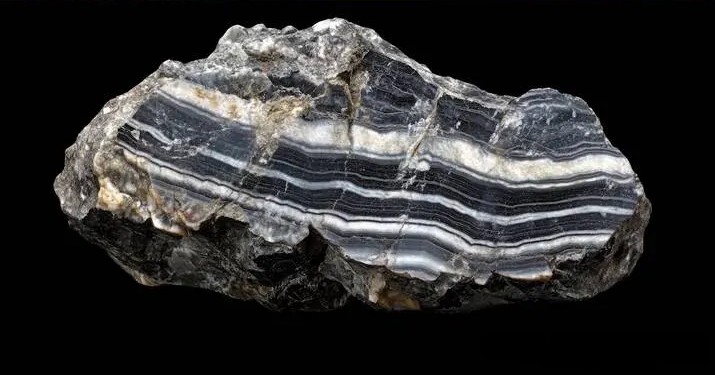
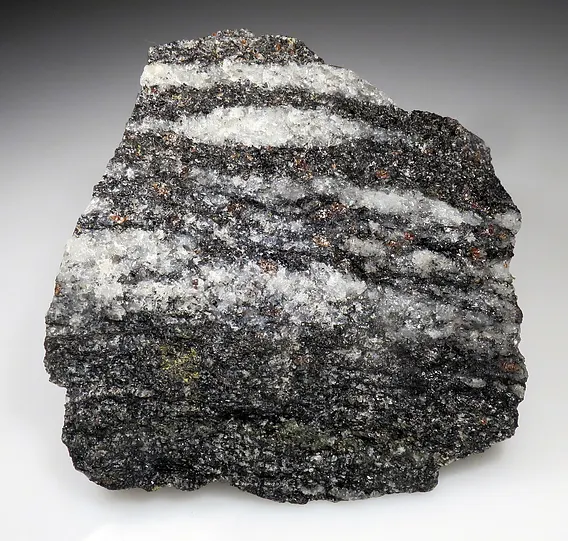
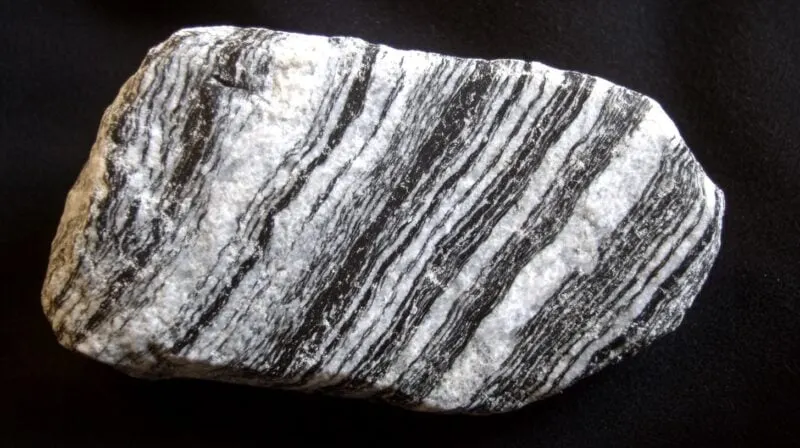
Gneiss is a type of metamorphic rock that forms under intense heat and pressure. The “banded” variety is characterized by alternating light-colored quartz-feldspar layers and dark amphibolite-rich bands. The result is a striped or folded pattern that resembles brushstrokes on stone.
Formation Process
-
Original Rock: Most banded gneiss begins as granite or sedimentary rock.
-
Metamorphism: Over millions of years, tectonic activity buried these rocks deep within the crust, where heat and pressure caused them to recrystallize.
-
Banding Effect: Minerals separated into alternating layers, creating the distinctive striped appearance.
The result is a geological masterpiece, forged not by human hands but by the Earth’s own dynamic processes.
The Archean Origins: 2.5 Billion Years Ago
The banded gneiss formations of southern India trace their origins to the Archean Eon (4.0–2.5 billion years ago), one of the earliest chapters of Earth’s history. During this period:
-
The continental crust was forming through repeated cycles of volcanic activity and plate movements.
-
Early tectonic processes were shaping the foundations of modern continents.
-
Rocks like gneiss recorded these transformations, surviving as some of the oldest exposed formations on Earth.
In southern India, these rocks form part of ancient cratons—stable portions of continental crust that have endured for billions of years.
Geological Beauty: Patterns Like Art
The appeal of banded gneiss goes beyond science. Their flowing lines and contrasting colors often resemble deliberate human artistry. Some patterns mimic waves, folds, or even abstract paintings.
-
Dark amphibolite layers create bold strokes across the stone.
-
Light quartz-feldspar bands bring balance and brightness.
-
Curving folds tell of immense tectonic pressures that bent and reshaped the rock.
This visual beauty demonstrates how geology and art intersect. What began as a purely natural process now inspires aesthetic admiration.
Tectonic Tales: What the Bands Reveal
The bands are not just decorative—they are records of Earth’s movements.
-
Mountain Building: Folding patterns show where ancient mountain ranges once rose.
-
Subduction Zones: Some banding reflects areas where tectonic plates collided and one sank beneath another.
-
Continental Growth: These rocks preserve evidence of the processes that built the land we stand on today.
Each stripe in banded gneiss is a geological diary entry, narrating events that took place long before humans existed.
Locations in Southern India
Southern India is home to several gneissic outcrops, often part of larger geological regions:
-
The Dharwar Craton (Karnataka): Among the oldest geological regions in India, featuring widespread Archean gneiss.
-
Tamil Nadu Outcrops: Sites like the Nilgiri Hills showcase striking gneiss formations.
-
Andhra Pradesh and Telangana: Exposures of Precambrian gneiss reveal the deep crustal history of the Deccan region.
These formations are not only important for geologists but also attract nature enthusiasts and travelers seeking awe-inspiring landscapes.
Scientific Importance
Banded gneiss formations play a crucial role in the study of Earth’s past.
-
Dating Earth’s Crust: By analyzing isotopes, scientists can determine the age of these rocks and reconstruct the timeline of continental formation.
-
Understanding Plate Tectonics: The patterns reveal how early tectonic processes operated.
-
Resource Indicators: Gneiss formations often occur near mineral deposits, providing clues for mining exploration.
For geologists, these formations are time capsules, preserving information critical to our understanding of planetary history.
Cultural and Spiritual Connections
In India, rocks often hold cultural and symbolic significance. Ancient communities regarded unusual formations as sacred or powerful. Today, banded gneiss landscapes:
-
Inspire local myths and stories.
-
Serve as sites of meditation and spiritual reflection.
-
Attract visitors who find beauty in their natural artistry.
Thus, these formations connect not only science and art but also nature and spirituality.
Erosion and Exposure: Nature’s Slow Reveal
The banded gneiss we see today was once buried deep beneath the crust. Over billions of years, erosion gradually wore away overlying layers, exposing these ancient rocks to the surface.
This slow unveiling is itself a reminder of Earth’s constant motion. What we witness now is only a fleeting glimpse in the grand scale of geological time.
Modern Relevance
Inspiration for Artists and Architects
The natural beauty of banded gneiss has influenced art, design, and architecture. Its unique patterns inspire works ranging from sculptures to building materials.
Lessons for the Future
In an age of rapid environmental change, banded gneiss reminds us of the resilience and endurance of the Earth—but also of the fragility of landscapes shaped over immense timescales.
Visiting Banded Gneiss Sites in India
Travelers interested in geology can explore banded gneiss formations across southern India. While some are within remote areas, others are near hiking routes, temples, and heritage sites.
Visitors should:
-
Respect the natural formations.
-
Avoid damaging or removing samples.
-
Appreciate the combination of scientific wonder and natural artistry.
Such visits offer an opportunity to connect with Earth’s deep past in a direct and awe-inspiring way.
Conclusion: Stories Written in Stone
The banded gneiss formations of southern India are more than rocks—they are records of time, motion, and artistry. Formed over 2.5 billion years ago in the Archean Eon, they embody the ceaseless tectonic forces that built the continents. Their patterns, like nature’s brushstrokes, remind us that the Earth itself is an artist, writing stories into stone across unimaginable spans of time.
Standing before these formations, we glimpse not only the endurance of geology but also the beauty of creation itself. Every stripe is a reminder of Earth’s restless energy, and every exposed outcrop is a window into the past that shaped the world we know today.
ALSO READ: Plague Doctor Masks: The Haunting Beaked Disguise of 16th and 17th Century Europe