Bagan: The Ancient City of a Thousand Temples in Myanmar 🛕🌅
A City Frozen in Time
Nestled along the Irrawaddy River in Myanmar, Bagan stands as one of Southeast Asia’s most extraordinary archaeological sites. Between the 9th and 13th centuries CE, this ancient city flourished as the capital of the Pagan Kingdom, becoming a center of Buddhist learning, devotion, and architectural innovation.
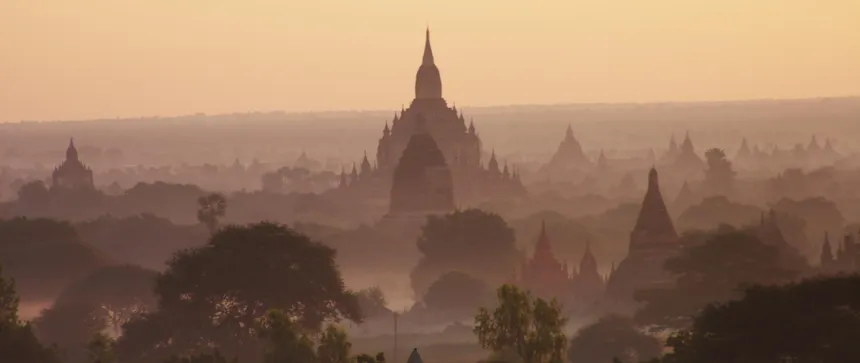
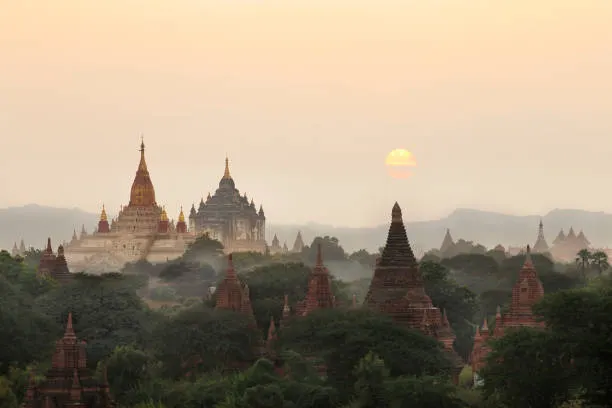
Today, the Bagan plains are dotted with more than 2,000 surviving temples, stupas, and monasteries, each whispering tales of devotion, artistry, and historical grandeur. Its sprawling temple landscape, often shrouded in morning mist or golden sunsets, creates a mystical aura that has captivated travelers and historians for centuries.
The Rise of Bagan: A Kingdom of Faith and Power
The Pagan Kingdom
The Pagan Kingdom (849–1297 CE) marked the beginning of Myanmar’s unification under a single monarchy. King Anawrahta, the kingdom’s founder, embraced Theravada Buddhism and initiated the construction of temples to promote faith, culture, and political power.
Expansion of Religious Architecture
Under successive rulers, temple-building reached its zenith between the 11th and 13th centuries, transforming the Bagan plains into a spiritual landscape unparalleled in Southeast Asia. Temples, monasteries, and stupas were strategically constructed to demonstrate both religious devotion and royal authority.
Architectural Wonders of Bagan
Temple Styles and Structures
Bagan’s temples showcase a variety of architectural styles:
-
Stupas (Pagodas): Conical or bell-shaped structures housing relics.
-
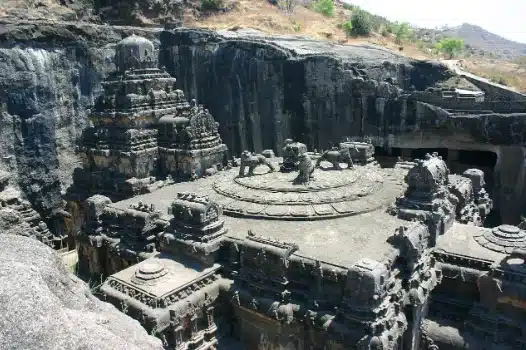
Cave Temples: Rock-cut sanctuaries with intricate carvings.
-
Hollow Temples: Multi-story temples with interior halls for worship.
Many temples feature elaborate frescoes, carved stone reliefs, and gilded spires, reflecting the skill and devotion of Bagan’s artisans.
Iconic Monuments
-
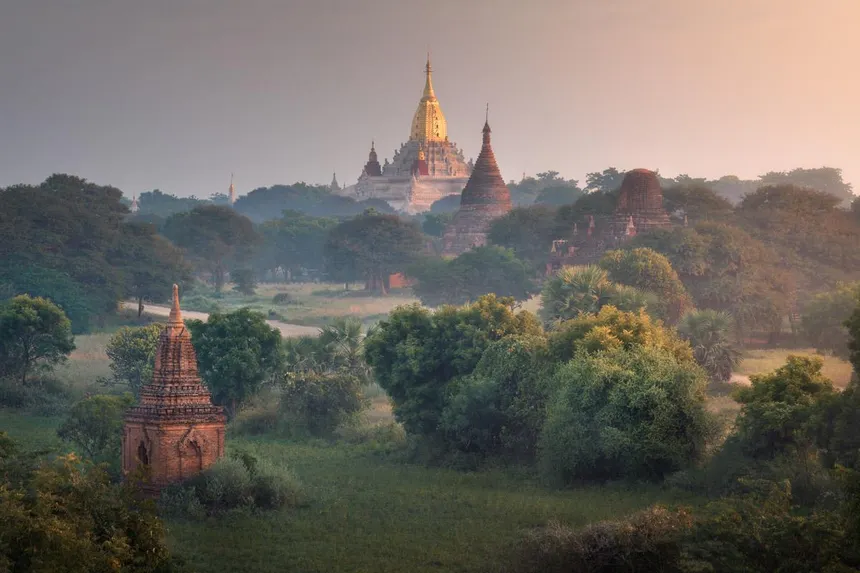
Ananda Temple: Known as the “Westminster Abbey of Myanmar,” this temple combines Mon and Indian architectural influences and houses four standing Buddha statues.
-
Shwezigon Pagoda: One of the oldest monuments, built under King Anawrahta, it became a prototype for later stupas.
-
Dhammayangyi Temple: Famous for its massive brickwork and precise construction, it remains the largest temple in Bagan.
Religious and Cultural Significance
Buddhism in Bagan
Bagan was a hub for Theravada Buddhism, attracting monks, scholars, and pilgrims. Temples were built not only for worship but also to store sacred texts, teach meditation, and perform rituals.
Pilgrimage and Festivals
The city hosted annual festivals, Buddhist processions, and ceremonies, fostering spiritual life and community cohesion. Even today, pilgrims visit Bagan’s temples, continuing centuries-old traditions of devotion.
Life in Ancient Bagan
Urban Planning and Society
The city was strategically planned, with a network of roads connecting temples, monasteries, and royal palaces. Agriculture supported the population, with irrigation systems along the Irrawaddy River sustaining rice fields and local communities.
Artisans and Builders
Thousands of artisans, sculptors, and architects contributed to Bagan’s monumental construction projects. Frescoes depicting Buddha’s life, Jataka tales, and mythical creatures reveal the rich cultural and artistic heritage of the kingdom.
Mysteries and Legends
Lost Temples and Earthquakes
Many temples were destroyed or damaged over time due to earthquakes, invasions, and natural decay. While over 2,000 structures survive, historical records suggest that at its height, Bagan may have housed more than 10,000 monuments.
Legends of Kings and Monks
Local folklore tells of kingly devotion, miraculous events, and sacred relics hidden in pagodas. These stories, combined with the serene plains and temple silhouettes at sunset, create an aura of mysticism and reverence.
Preservation and UNESCO Status
Restoration Efforts
Bagan has undergone extensive restoration, especially following the 2016 earthquake, which damaged many structures. International and local initiatives have focused on conserving frescoes, stabilizing foundations, and protecting heritage.
UNESCO World Heritage
In 2019, Bagan was officially designated a UNESCO World Heritage Site, recognized for its cultural and architectural significance. This status ensures ongoing protection and highlights Bagan’s role in global heritage.
Visiting Bagan Today
Hot Air Balloon Tours
One of the most iconic ways to experience Bagan is via hot air balloon, offering breathtaking views of the temple-studded plains at sunrise or sunset.
Temple Exploration
Visitors can explore temples such as:
-
Ananda Temple: Known for its stunning architecture and Buddha statues.
-
Shwezigon Pagoda: Ideal for historical insight and religious significance.
-
Htilominlo Temple: Famous for its intricate plasterwork and towering spire.
Cultural Experiences
Local markets, traditional Burmese cuisine, and village interactions provide a deep cultural immersion. Tourists also witness monks chanting, ceremonies, and community life that echo centuries of spiritual practice.
Why Bagan Matters
-
Architectural Legacy: Home to thousands of Buddhist monuments, Bagan showcases advanced medieval engineering and artistry.
-
Cultural Heritage: Reflects the evolution of Burmese culture, religion, and political history.
-
Tourism and Education: Serves as a living classroom for historians, architects, and travelers seeking ancient wisdom and spiritual insight.
Bagan’s plains are more than a tourist attraction—they are a testament to human devotion, ingenuity, and cultural continuity.
Conclusion: Bagan, a Timeless Spiritual Landscape
From its 9th-century origins to its UNESCO-protected status today, Bagan remains a symbol of Myanmar’s rich history and Buddhist devotion. Its thousands of temples, stupas, and monasteries create an architectural and spiritual tapestry unlike anywhere else on Earth.
Walking through the Bagan plains, observing the sunrise over golden spires or the silhouettes of temples at dusk, one experiences the timeless connection between humanity, faith, and the cosmos. Bagan is not merely an ancient city; it is a living monument to devotion, culture, and the enduring power of human creativity.
ALSO READ: Xochicalco: The Fortified Ancient City of Central Mexico 🏯🪶