The Atlantean Statues of Tula: Guardians of the Toltec Civilization
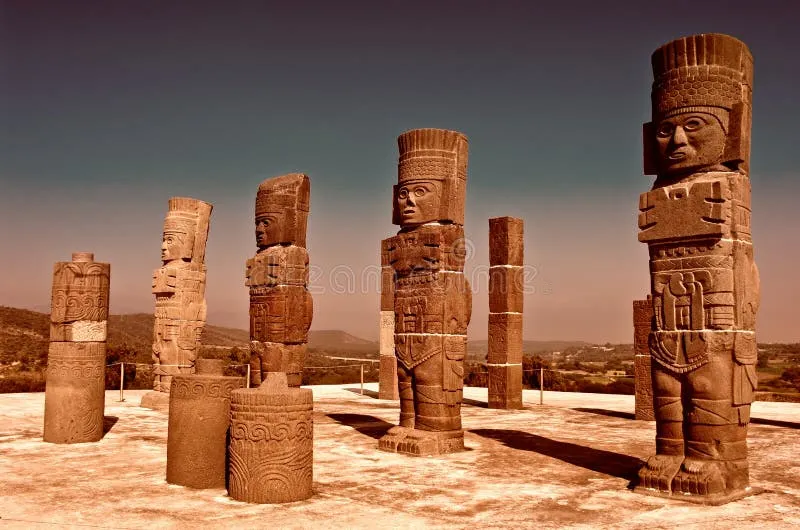
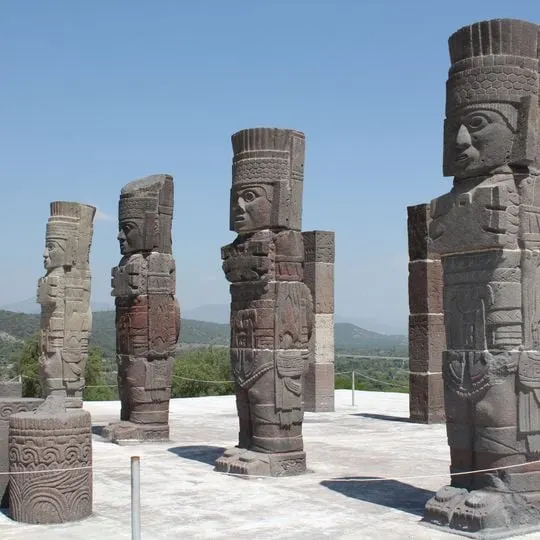
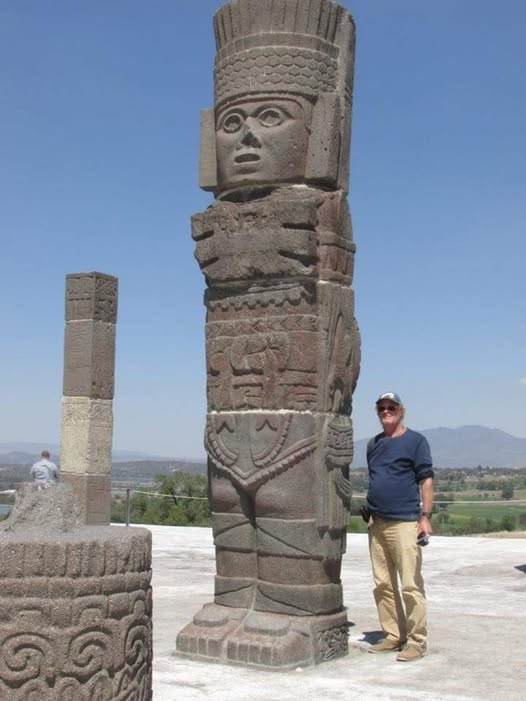
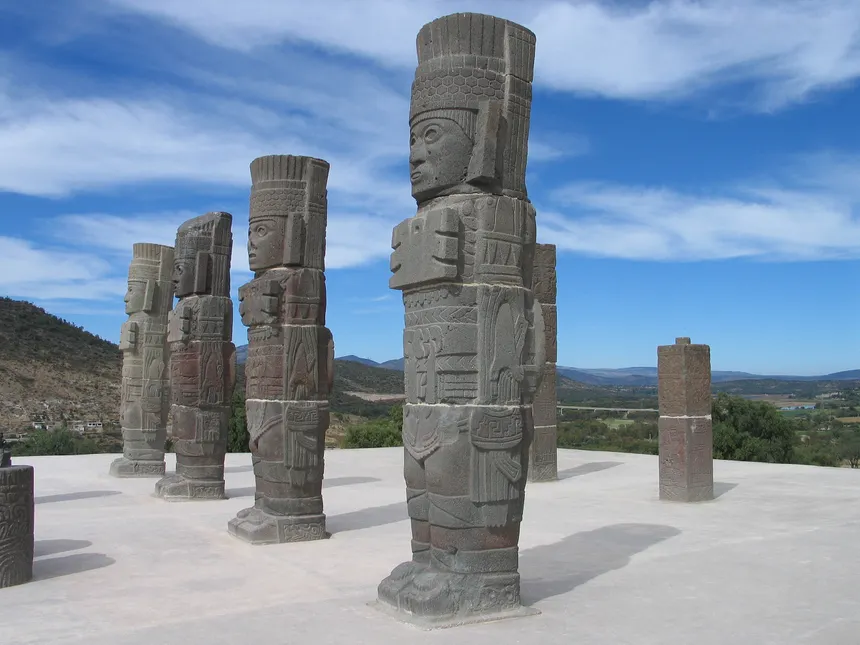
Rising above the ancient ruins of Tula in Hidalgo, Mexico, the Atlantean statues stand as silent guardians of the once-great Toltec civilization. These monumental basalt figures, each measuring over 4.5 meters (15 feet) tall, were crafted between the 10th and 12th centuries CE. They represent Toltec warriors and once supported the roof of the Temple of Quetzalcoatl, the Feathered Serpent deity central to Mesoamerican belief systems.
The statues are not only remarkable for their scale but also for their artistry. Their elaborate headdresses, symbolic ornaments, and stern expressions embody the Toltec ideals of military strength, spiritual devotion, and cosmic order. Today, they remain among Mexico’s most iconic archaeological treasures, offering a window into a culture that profoundly influenced later civilizations, including the Aztecs.
The Toltec Civilization: A Brief Background
The Toltecs flourished in central Mexico between the 10th and 12th centuries CE, establishing Tula (Tollan) as their capital. Known as skilled builders, artisans, and warriors, the Toltecs created an empire that stretched across large regions of Mesoamerica.
Key aspects of Toltec society:
-
Military Power: Warriors held high status, reflected in both art and architecture.
-
Religion: The Feathered Serpent deity, Quetzalcoatl, played a central role.
-
Architecture: Large pyramids, ball courts, and columned halls formed ceremonial complexes.
-
Influence: The Aztecs later revered the Toltecs, claiming descent from them and adopting many of their traditions.
The Atlantean statues of Tula are a pinnacle of this legacy, symbolizing both Toltec religious devotion and military might.
The Atlantean Statues: Architecture and Features
Size and Material
The statues are carved from volcanic basalt, a durable stone abundant in central Mexico. Each figure measures 4.5–5 meters in height and weighs several tons, showcasing the Toltecs’ remarkable engineering skills.
Warrior Representation
The statues are widely understood to depict Toltec warriors, evident in their detailed adornments:
-
Feathered Headdress: Symbolizing nobility, divine connection, and military prestige.
-
Butterfly-Shaped Pectoral (Chest Ornament): Associated with warriors and transformation.
-
Weapon or Spear-Thrower (Atlatl): A key tool of Mesoamerican warriors, reinforcing martial identity.
-
Geometric Patterns: Embellishing the figures’ attire, symbolizing order and precision.
Stern Expressions
The statues’ faces are solemn, reflecting the Toltec emphasis on discipline, authority, and divine duty. These expressions transcend mere portraiture, embodying ideals of the warrior class.
The Temple of Quetzalcoatl: Original Placement
The Atlantean statues were not freestanding monuments but originally supported the roof of the Temple of Quetzalcoatl. This grand temple crowned the main pyramid at Tula and was dedicated to the Feathered Serpent deity, a god associated with fertility, creation, and renewal.
By serving as structural columns, the warrior statues symbolized the Toltecs’ belief that their military strength literally upheld the temple and, by extension, their society’s cosmic order. This blending of architecture, religion, and symbolism underscores the sophistication of Toltec design.
Symbolism of the Atlantean Statues
Military Power
The statues highlight the militaristic nature of Toltec society, where warriors were revered as protectors and enforcers of divine will.
Spiritual Devotion
Their placement in a temple dedicated to Quetzalcoatl shows how spiritual life was inseparable from warfare, with soldiers seen as instruments of cosmic balance.
Dual Role
By combining human attributes (warriors) with divine associations (temple guardians), the statues symbolize the dual role of Toltec leaders—both earthly defenders and spiritual mediators.
Influence on Later Cultures
The Toltec legacy, embodied in the Atlantean statues, extended far beyond Tula:
-
Aztec Reverence: The Aztecs idolized the Toltecs, describing them as the cultural forebears of civilization. They adopted Toltec styles in sculpture, architecture, and religious practices.
-
Artistic Inspiration: The warrior motifs seen in Tula influenced Aztec art and even Maya sculpture.
-
Cultural Mythology: The image of the Atlantean warrior became a lasting symbol of order, strength, and devotion across Mesoamerica.
The statues thus bridge cultures, embodying ideas that persisted for centuries after the Toltec empire declined.
Archaeological Rediscovery and Conservation
Rediscovery
The ruins of Tula, including the Atlantean statues, came to archaeological attention in the 19th and early 20th centuries. Excavations revealed the statues in situ atop the main pyramid, giving scholars valuable insights into their placement and function.
Conservation
Modern efforts focus on protecting the statues from weathering and erosion. Since basalt can degrade over time, conservationists work to preserve surface details, ensuring that these figures remain legible symbols of Toltec heritage.
Experiencing the Atlantean Statues Today
Visitors to Tula can still climb the pyramid where the statues stand. Gazing up at these towering figures, one can imagine the temple roof they once supported and the ceremonies held beneath their watchful presence.
The experience evokes a profound sense of continuity—connecting modern viewers with the Toltecs’ spiritual intensity and artistic mastery. Standing before these statues, one feels both the awe of ancient power and the fragility of human civilizations.
Why the Atlantean Statues Matter
The Atlantean statues of Tula are significant for multiple reasons:
-
Artistic Achievement: They represent the pinnacle of Toltec sculpture and architectural integration.
-
Cultural Insight: They reveal the Toltecs’ worldview, where war, religion, and order were deeply intertwined.
-
Historical Influence: Their legacy shaped later civilizations, particularly the Aztecs, who looked to the Toltecs as cultural ancestors.
-
Symbol of Permanence: Despite the fall of the Toltec empire, these statues endure, embodying humanity’s desire to leave eternal marks in stone.
Conclusion
The Atlantean statues of Tula are far more than stone carvings. They are guardians of a vanished world, representing the Toltecs’ profound devotion to their gods, their emphasis on military order, and their unparalleled artistry. Standing over 4.5 meters tall, they supported not only the roof of a temple but also the ideals of a civilization that shaped Mesoamerican history.
Today, they invite us to reflect on the intersection of power, faith, and art, reminding us of humanity’s enduring quest to create monuments that defy time.
ALSO READ: The Wanca Pyramid of Caral-Supe: A Testament to Peru’s Oldest Civilization