The Ancient Roman Relief with a Musical Instrument: An Artistic Echo Through Time
Among the abundant treasures of the Roman world, few artistic creations capture the delicate balance between daily life and divine symbolism as skillfully as relief sculpture. The ancient Roman relief depicting a man with a suspended musical instrument stands as a window into the artistic, social, and spiritual essence of the early imperial era. Carved from stone between the 1st and 2nd century AD, this artifact embodies the resonance of sound, craft, and meaning across millennia.
Tracing the Origins: Rome in the 1st–2nd Century AD
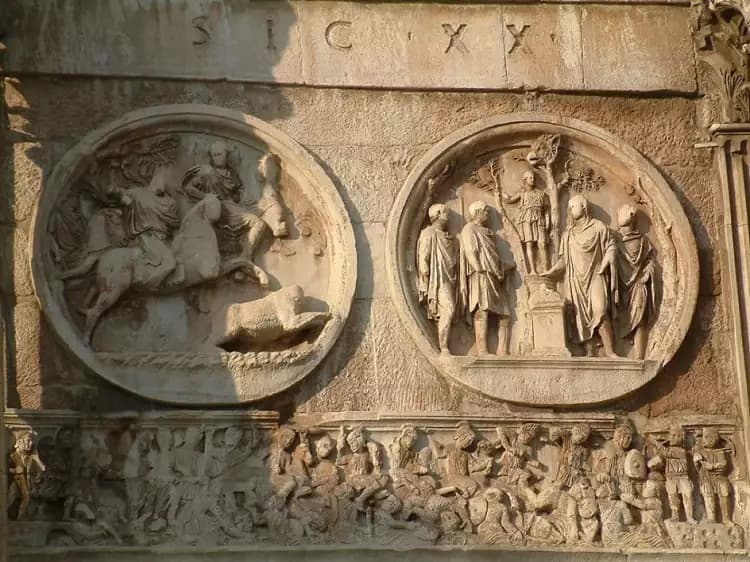
The 1st and 2nd centuries marked the zenith of Roman cultural achievement. Under emperors such as Augustus, Trajan, and Hadrian, Rome burgeoned into a monumental center of art, learning, and innovation. Public spaces were adorned with reliefs that celebrated victories, rituals, and mythological narratives.
Amid grand arches and temples, smaller-scale reliefs—like the one showing a man and a musical instrument—served more personal or symbolic roles. Many such carvings decorated tombs, household shrines, and civic buildings, intertwining private identity with shared cultural motifs.
Artistic Craftsmanship: The Language of Stone
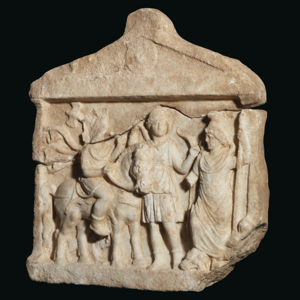
Roman relief carvers were masters of translating lifelike motion into stone. The artisan who created this relief captured more than physical form; he sculpted rhythm and presence. The male figure—perhaps a musician, philosopher, or priest—stands beside a delicately suspended musical instrument, possibly a lyre or kithara.
Each line and contour bears evidence of both precision and emotion. The folds of drapery, the measured stance, and the poised balance between human and instrument suggest harmony, discipline, and devotion to craft. Through the interplay of light and shadow, the carver eternalized a fleeting act—perhaps a performance or ritual of remembrance.
Meaning and Symbolism: Sound and Silence Carved in Stone
Music held deep meaning in Roman society. It accompanied ceremonies, feasts, military triumphs, and private contemplation. Instruments like the lyre symbolized order and education, aligning human intellect with the harmony of the cosmos—a theme inherited from Greek philosophy.
In this relief, the suspended instrument may express more than mere musicality; it could symbolize spiritual resonance or the connection between mortal and divine. Some scholars suggest that such carvings on funerary monuments represented the deceased’s refinement or aspiration toward eternal balance.
The man’s posture—upright yet introspective—invites reflection. His proximity to the instrument evokes presence and absence, the tension between melody and silence, life and eternity. As centuries passed, the relief’s surface absorbed wind, rain, and touch, yet its message endured: art as an echo of existence itself.
The Role of Musical Imagery in Roman Art
Musical iconography appeared across Roman frescoes, mosaics, and sculpture. Reliefs showing musicians or music-related scenes often adorned villas, baths, and theaters, celebrating the pleasures of sound and rhythm in civic life.
Common instruments portrayed included:
-
The lyre or kithara, associated with Apollo and cultured refinement
-
The aulos, a reed instrument linked to festivals and Dionysian rites
-
Drums and cymbals, used in religious or ecstatic ceremonies
This relief, with its carefully suspended instrument, might represent the disciplined strand of Roman musical tradition—ordered, harmonious, reflective of moral and cosmic structure.
Material and Technique: The Enduring Medium of Stone
Stone, the medium of eternity, was chosen intentionally. Romans viewed it not merely as a building material but as a vessel of immortality. The unknown sculptor transformed inert limestone or marble into a conduit of life and rhythm.
The patina that now veils the surface tells its own story. Weathering softened once-sharp contours, yet the tactile history of the piece—its abrasions and tonal variations—adds a living quality. Each mark testifies to centuries of handling, admiration, and survival. The relief, like a faded melody, continues to resonate long after its creation.
Cultural Context: Art and Daily Life in Imperial Rome
Roman artisans seamlessly blended artistry with function. Even utilitarian objects bore decorative motifs drawn from mythology or music. Reliefs were integral to architectural ornamentation, storytelling, and commemoration.
In the domestic context, such reliefs might have adorned atrium walls or private shrines, manifesting both wealth and piety. In tombs, they served as tributes to a loved one’s virtues or profession, perhaps portraying the musician’s eternal relationship with his art.
Rome’s appreciation for Greek aesthetic ideals also influenced these works. The balance between realism and idealism—the lifelike man beside an idealized instrument—reflects the Roman ability to adapt and personalize inherited traditions.
Rediscovery and Modern Interpretation
Today, discoveries of Roman reliefs in museums and archaeological sites continue to enrich our understanding of ancient sensibilities. Each artifact invites scholars to decode cultural narratives buried in stone.
This particular relief, possibly unearthed near Rome, sits within the broader dialogue of Roman craftsmanship and identity. Its serene composition contrasts with the grandeur of imperial monuments, offering instead an intimate portrayal of human introspection and creativity.
Modern viewers see not only art but also philosophy embodied. The piece reminds us that music, memory, and artistic expression are intertwined expressions of the human condition.
The Metaphor of Timeless Artistry
Beyond its historical and aesthetic dimensions, the relief embodies a metaphor of continuity. The man and his instrument—once animate—now rest in silent stone, their ephemeral performance immortalized. The carving’s existence bridges eras, preserving the rhythm of antiquity within the stillness of the present.
Through the millennia, this single artwork speaks of humanity’s enduring desire to create, to express, and to remember. The silent notes carved in marble echo the universal pursuit of beauty, discipline, and understanding.

A Testament to Roman Genius
Every detail of the relief—the proportional harmony, the tactile realism, the thematic depth—underscores the sophistication of Roman art. It illustrates how the ancients blended technical mastery with emotional resonance, producing creations that transcend time.
In essence, this fragment of carved stone is not merely an object of study but a dialogue between generations. It invites us to listen—to the silence that carries forgotten songs, and to the enduring artistry that refuses to fade.
ALSO READ: The 2,000-Year-Old Green Serpentine Mask of Teotihuacán: A Symbol of Ancient Power and Ritual