Yakhchāl: Ancient Persian Ice Houses That Defied the Desert
Unveiling 2,000 Years of Ingenious Refrigeration Technology
The sun-scorched deserts of Persia might seem like the last place you’d expect to find ice—especially before the era of modern refrigeration. Yet, centuries ago, Persian engineers harnessed the power of architecture, physics, and climate to create yakhchāl, a brilliant solution for preserving ice and perishables in a land where both were exceedingly rare. These massive, domed structures revolutionized local economies and set a precedent for sustainable cooling that inspires modern architects to this day.
Ancient Persia’s Climate Challenge
Ancient Persia, now modern Iran, is defined by unforgiving summers, bone-dry air, and sharp temperature extremes. For urban planners, storing food, medicine, and cooling water was not just a luxury but a matter of survival. Without electricity or mechanical refrigeration, Persian engineers turned to natural resources and creative construction, driven by a culture that prized both ingenuity and practical solutions.
What Is a Yakhchāl?
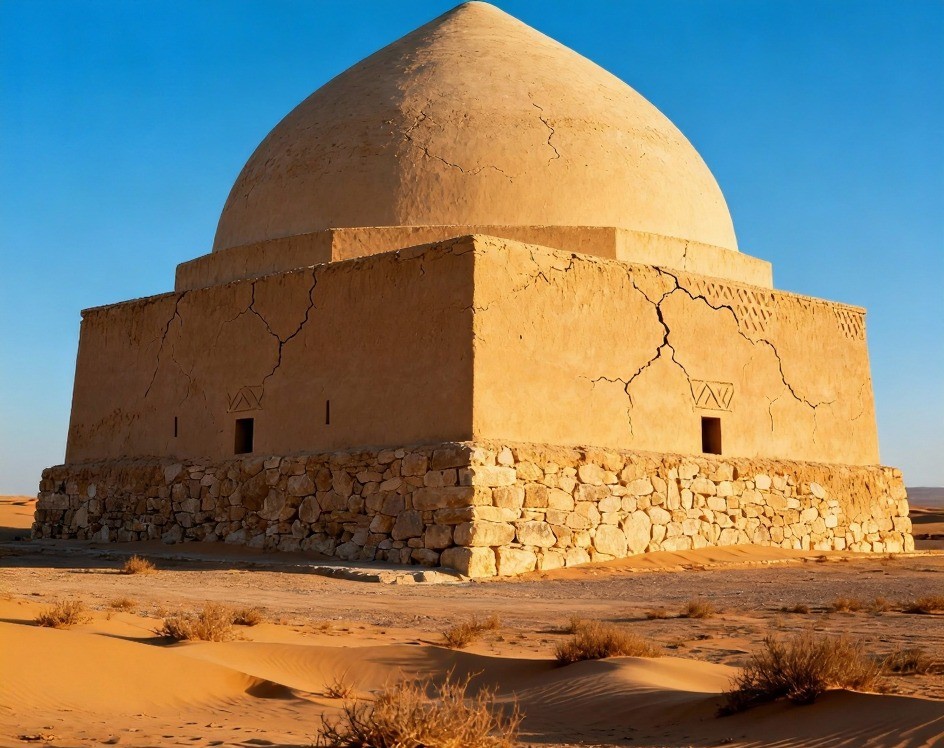
The word “yakhchāl” blends Persian “yakh” (ice) and “chāl” (pit or storage), perfectly describing its dual purpose. Yakhchāls are towering, conical clay domes, some exceeding 15 meters in height, built over deep underground chambers. The domed exterior, often prominently visible in ancient cityscapes, concealed a labyrinth of storage spaces below ground where ice, food, and even delicate documents could remain cool and intact for months.
Key Features of Yakhchāl Design
-
Thick Insulating Walls: Made from sarooj—a unique blend of sand, clay, egg whites, lime, and ash—these walls were water-resistant and could insulate against desert heat.
-
Access Tunnels: Subterranean channels allowed cool air to circulate, further lowering storage temperatures.
-
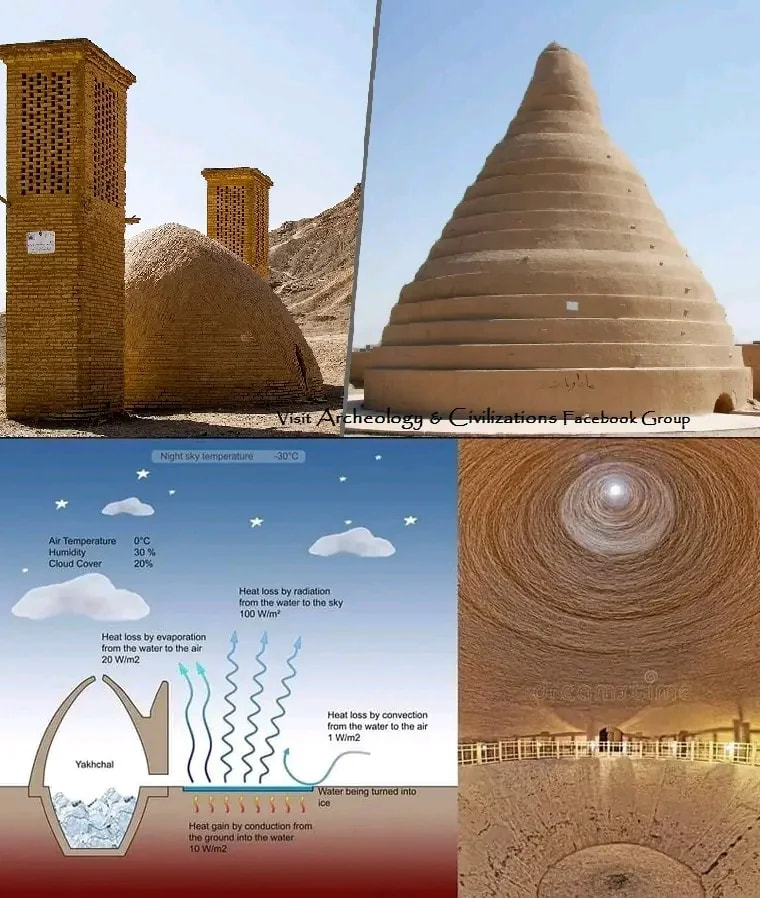
Windcatchers (Badgirs): Ventilators were strategically placed to channel prevailing breezes into the dome, expelling hot air and maximizing convection.
-
Deep Storage Pit: The underground pit exploited the earth’s natural coolness, maintaining temperatures well below the outside.
How Did Yakhchāls Make Ice in the Desert?
The operation of yakhchāls was a marvel of passive refrigeration:
1. Nighttime Ice Formation
During winter nights, when desert temperatures tumble, locals flooded shallow pools adjacent to the yakhchāl. The exposed water cooled quickly through radiative cooling, freezing into sheets of ice before dawn.
2. Careful Ice Harvesting
At sunrise, the ice was broken up and moved into the subterranean storage chamber. Workers packed the ice in layers, often with straw for insulation.
3. Long-Term Preservation
Inside, the thick sarooj walls, underground placement, and continuous airflow created by windcatchers kept the interior far cooler than the searing desert above. In some cases, ice and perishables survived until late summer, supporting food storage, medicine, and even luxury drinks.
Engineering Principles Behind Yakhchāl
Passive Cooling Mastery
Yakhchāls used thermal mass to buffer temperature swings. Their enormous size allowed for slow heat transfer, and their round shape minimized exposed surface area. The sarooj plaster not only prevented water leakage but also slowed down external heat penetration.
Climate-Adaptive Design
-
Windcatchers: Oriented to prevailing winds, these towers created negative pressure, drawing up warmer air and pulling in cool breezes, similar to modern evaporative coolers.
-
Solar Orientation: Builders often sited yakhchāls to minimize direct sun exposure, further reducing heat gain.
Cultural Impact and Legacy
Essential Community Infrastructure
Yakhchāls were more than technological marvels. They were vital community assets—used during festivals and special occasions to provide ice for sherbets and celebrations, but also indispensable for everyday food security.
Influence on Modern Cooling
Contemporary architects increasingly look to yakhchāl principles—passive cooling, earthen insulation, and wind-driven ventilation—as models for sustainable and energy-efficient building design.
Surviving Examples and Preservation
Many yakhchāls remain standing across Iran, especially in desert locales like Kashan, Yazd, and Kerman. Their durability stands as a testament to Persian engineering skill. Restoration projects now aim to preserve these structures not only for heritage but as educational models for green building.
The Science Behind the Magic
At the heart of yakhchāl success is the concept of phase change and heat transfer. When water freezes, it releases latent heat—a process yakhchāl designers exploited by placing their ice pools in shaded, insulated cavities. The slow, steady release of cool air as ice melted kept contents fresh for months.
Comparison: Ancient Solutions vs Modern Refrigeration
| Feature | Yakhchāl Passive Cooling | Modern Refrigeration Technology |
|---|---|---|
| Energy Source | Natural climate, architectural design | Electric power |
| Environmental Impact | Very low, sustainable materials | High (depends on electricity and refrigerants) |
| Maintenance | Minimal, periodic cleaning | Requires repairs and servicing |
| Lifespan | Centuries (with preservation) | Years to decades |
| Cultural Heritage | Deep roots in Persian society | Modern convenience |
Why Yakhchāls Matter Today
As global energy demands rise and sustainable solutions become urgent, yakhchāl technology offers timeless inspiration. They prove that green innovation is not new—and that ancient cultures mastered efficiency with limited means, using creativity, science, and respect for their environment.
Visiting Yakhchāls in Modern Iran
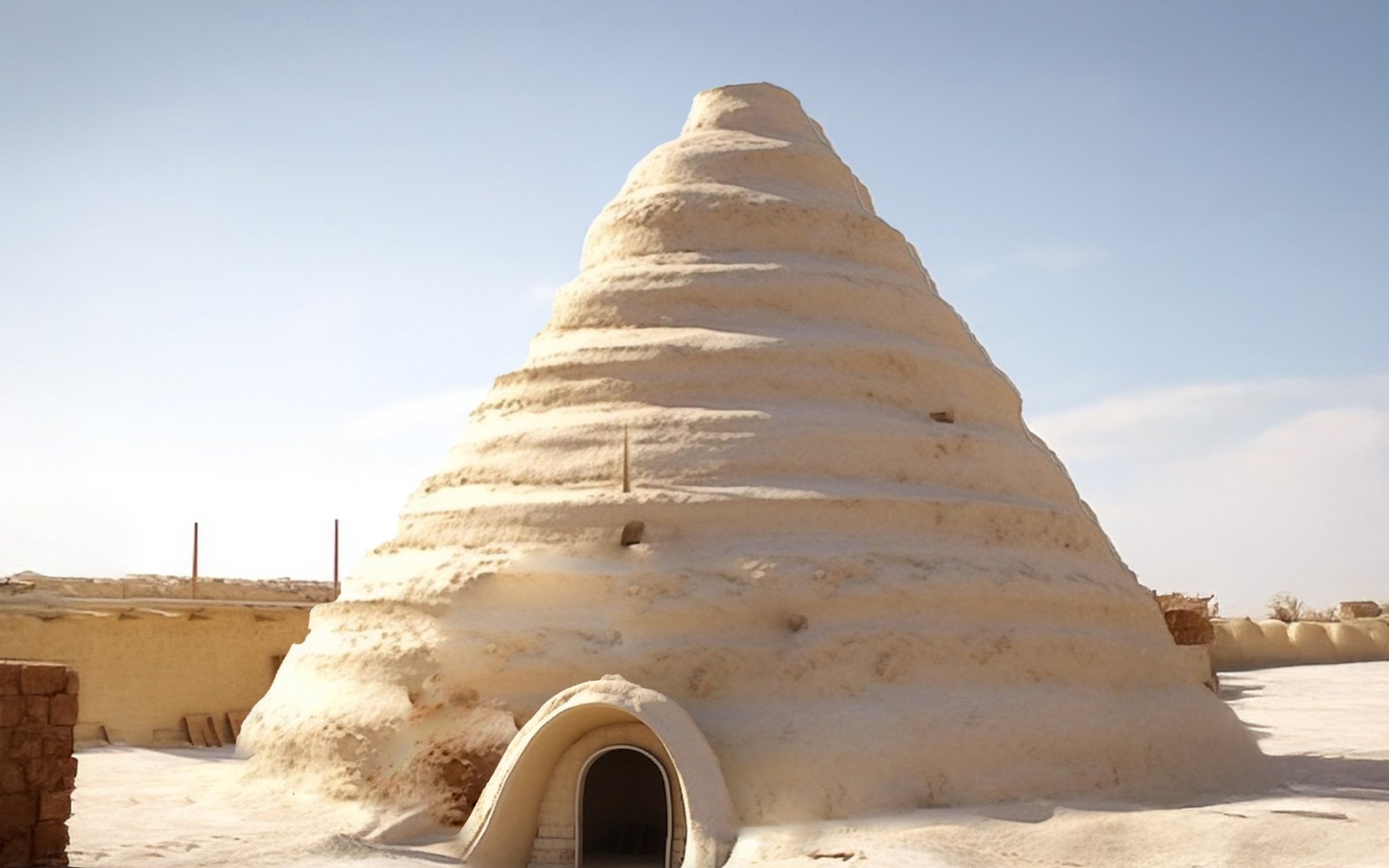
Travelers to Iran can visit restored yakhchāls in historic cities like Yazd, where guides showcase the engineering secrets and share survivor stories from families who relied on these structures for summer ice. Heritage tours often include these domes as prime examples of Persian architectural wisdom.
Conclusion
Yakhchāls stand as a reminder that climate challenges can spark lasting innovation. The ice houses of ancient Persia blended art, science, and necessity for more than two millennia, leaving behind architectural wonders that still inspire today’s world.
ALSO READ: The Desert Labyrinth of Tucson: Exploring the Sacred Geometry of the Man in the Maze