3,000-Year-Old Ancient Maya City Complex with Pyramids Unearthed in Guatemala
An Extraordinary Discovery in the Heart of the Jungle
Deep in the dense Petén jungle of northern Guatemala, archaeologists have unearthed a sprawling complex of three ancient Maya cities that could rewrite our understanding of early Mesoamerican civilization.
The newly discovered cities — Los Abuelos, Petnal, and Cambrayal — form an interconnected ceremonial landscape that dates back almost 3,000 years, to the Middle Preclassic period (800–500 BCE). This makes them among the oldest known Maya urban centers, preceding even the rise of iconic cities like Tikal and Uaxactun.
Researchers describe the find as one of the most significant Maya discoveries in decades, providing unprecedented insight into the formation of early political, ceremonial, and urban systems in the region.
Mapping the Ancient Maya Landscape
The discovery was made possible through the use of LiDAR (Light Detection and Ranging) technology, which allows archaeologists to “see” beneath dense forest canopies. Using laser mapping from aircraft, researchers detected a vast network of structures, causeways, platforms, and pyramids spread across the jungle near the modern town of Uaxactun, about 13 miles away.
The LiDAR data revealed that Los Abuelos, Petnal, and Cambrayal were not isolated settlements but rather part of a cohesive urban complex, linked by elevated roadways and ceremonial causeways. These connections indicate a high level of organization and cooperation among communities nearly 3,000 years ago — centuries earlier than previously believed for Maya civilization.
“This discovery pushes back the timeline of Maya urbanism and religious architecture by several centuries,” said one of the lead archaeologists. “It shows that the roots of Maya culture were already deeply established by the Middle Preclassic period.”
Los Abuelos: The Oldest of the Three
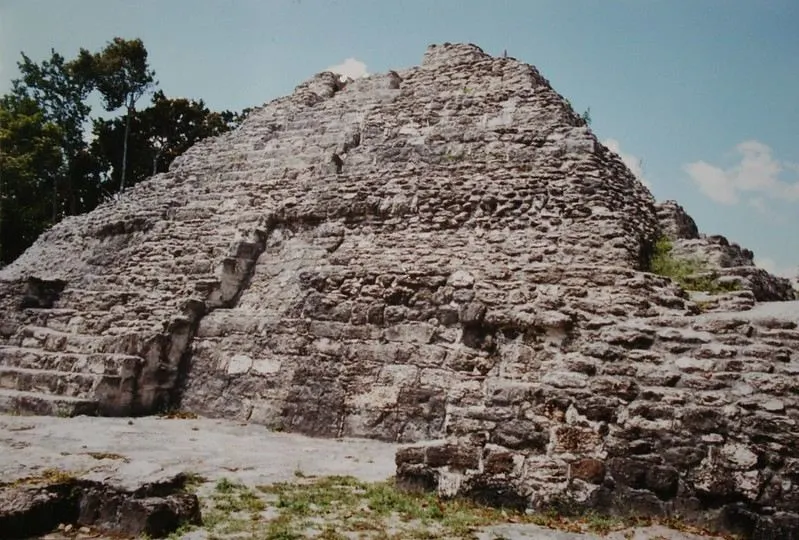
The largest and most significant of the newly uncovered sites is Los Abuelos, believed to be the earliest of the three cities. Excavations have revealed massive pyramid platforms, ceremonial plazas, and residential terraces, all constructed from limestone blocks.
Preliminary dating suggests that Los Abuelos may have been occupied as early as 800 BCE, making it one of the earliest Maya ceremonial centers known to science.
The city appears to have functioned as a ritual and political hub, serving the surrounding smaller communities of Petnal and Cambrayal. The presence of pyramids and formal plazas indicates that complex social hierarchies and religious practices were already taking shape long before the Classic Maya period (250–900 CE).
Petnal and Cambrayal: Sister Cities in the Jungle
While smaller in scale, Petnal and Cambrayal exhibit architectural features strikingly similar to those of Los Abuelos, including pyramid mounds, ceremonial platforms, and ballcourts.
Researchers believe these cities were part of a regional network of early Maya settlements that shared religious and political traditions. Artifacts found in the area—such as ceramic fragments, obsidian tools, and jade ornaments—indicate that these communities engaged in long-distance trade and had access to valuable resources.
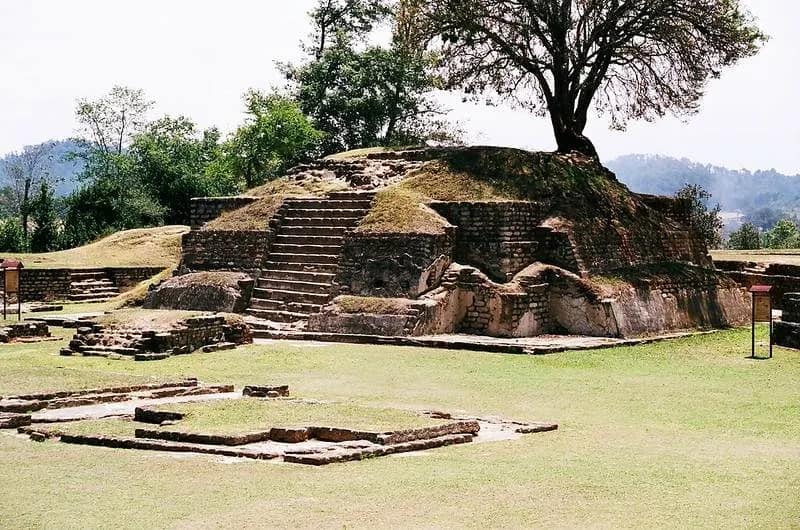
The close proximity and alignment of these cities suggest deliberate planning and coordination, likely guided by astronomical and cosmological principles that would later define Maya architecture.
The Importance of LiDAR in Maya Archaeology
Over the past decade, LiDAR technology has revolutionized Maya archaeology, revealing entire lost cities and networks hidden beneath the rainforest. The Petén region, which includes world-famous sites like El Mirador and Tikal, has been at the center of these breakthroughs.
LiDAR scans of Los Abuelos, Petnal, and Cambrayal show a sophisticated grid of causeways, reservoirs, and platforms, suggesting advanced urban planning and environmental management.
“Without LiDAR, these cities would have remained invisible beneath the forest,” noted one researcher. “We are seeing the true scale of Maya civilization in a way that was impossible just a generation ago.”
A Glimpse into Early Maya Civilization
The discovery of the Los Abuelos complex provides a rare glimpse into the earliest stages of Maya civilization, long before the rise of monumental cities like Palenque or Copán.
During the Middle Preclassic period, Maya society began transitioning from small agricultural villages to organized ceremonial centers. The architecture at Los Abuelos and its neighboring sites reflects this transformation — combining communal gathering spaces with emerging elite and religious structures.
The pyramids, though smaller than their later counterparts, are monumental for their time and suggest that religious leadership and cosmological belief systems were already central to Maya life.
Ceremonial and Astronomical Significance
Archaeologists believe that the pyramids and plazas of Los Abuelos were aligned with solar and lunar events, reflecting the Maya’s early mastery of astronomy and calendrical observation.
This aligns with other early sites such as Ceibal and Nakbe, where ceremonial architecture was oriented toward solstices and equinoxes — marking agricultural cycles and ritual calendars.
Such alignments underscore the deep connection between cosmology, governance, and agriculture in Maya culture, even at this early stage of development.
What the Discovery Tells Us About Maya Society
The Los Abuelos complex challenges long-held assumptions about when and how Maya civilization emerged. It demonstrates that by 800 BCE, the Maya were already constructing large-scale public architecture, organizing regional centers, and developing shared religious ideologies.
The coordination required to build pyramids and causeways implies the existence of leadership, labor organization, and communal cooperation, hallmarks of a sophisticated society.
It also suggests that the cultural traditions that later defined the Maya — from pyramid building to calendrical science and hierarchical governance — originated far earlier than scholars once believed.
Preserving the Past for the Future
The Guatemalan Institute of Anthropology and History (IDAEH) has designated the Los Abuelos, Petnal, and Cambrayal complex as a protected cultural heritage zone. Further excavations and conservation efforts are planned to preserve the fragile limestone structures and document the site before exposure to natural and human threats.
Authorities are also exploring the potential for eco-archaeological tourism, emphasizing sustainable approaches that protect the environment while educating visitors about Mesoamerica’s deep cultural heritage.
The Broader Significance of the Discovery
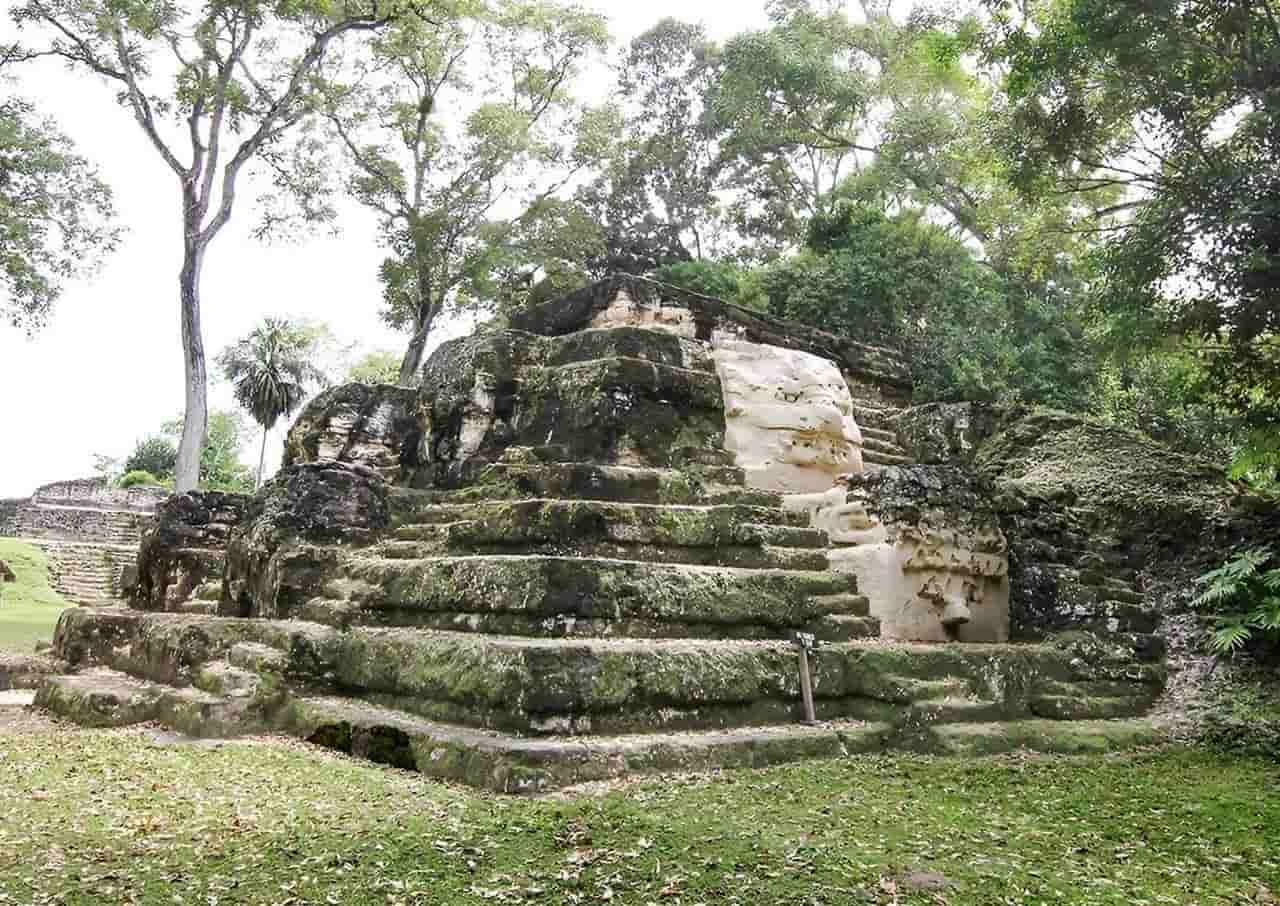
This new Maya complex not only enriches our understanding of Guatemalan history but also reshapes the broader narrative of ancient civilization in the Americas. It reveals that organized, pyramid-building societies flourished in Central America much earlier than previously thought.
“Los Abuelos and its sister cities bridge a critical gap in our knowledge of Maya development,” one researcher explained. “They show that the foundations of the Classic Maya world were laid centuries before the grand temples and cities we know today.”
Conclusion: Rewriting the Origins of the Maya
The 3,000-year-old Maya city complex in Guatemala — comprising Los Abuelos, Petnal, and Cambrayal — marks a groundbreaking moment in the study of Mesoamerican archaeology. These cities, hidden for millennia beneath the jungle canopy, illuminate the early evolution of one of the world’s most remarkable civilizations.
As archaeologists continue to study the site, the story of the ancient Maya grows ever richer — revealing a people whose ingenuity, spirituality, and architectural vision shaped the landscape of Central America for thousands of years.
ALSO READ: The Sutton Hoo Helmet: Unearthing the Glory of Anglo-Saxon England