Ancient Greek Gold Earrings (c. 400 BC): Timeless Symbols of Beauty, Wealth, and Divine Craftsmanship
The Golden Age of Elegance
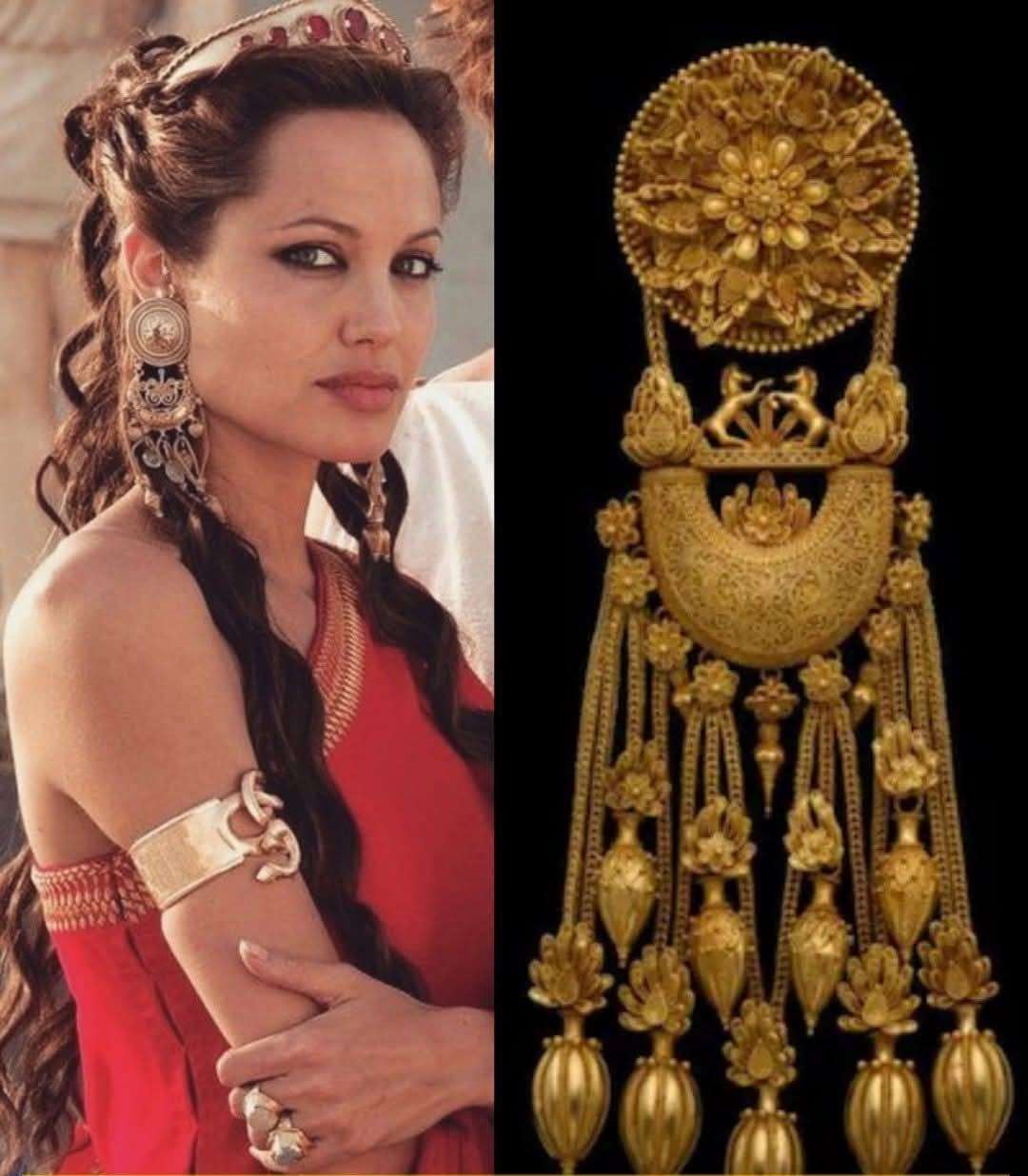
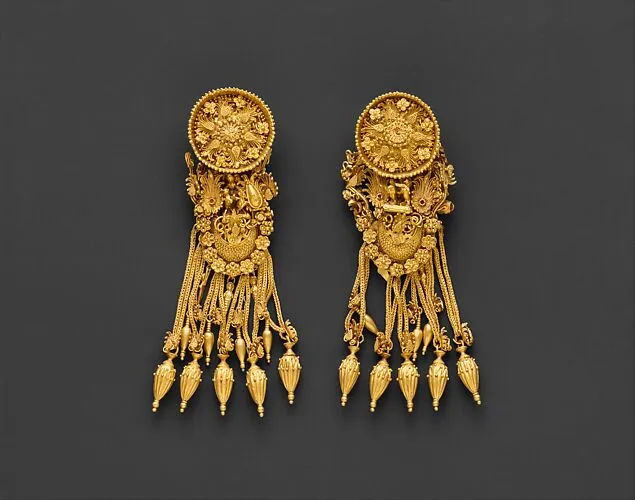
Among the many wonders of classical Greece, few objects capture its refined artistry and cultural sophistication as vividly as Ancient Greek gold earrings from around 400 BC. These delicate yet intricate adornments represent far more than fashion; they are enduring symbols of beauty, wealth, and devotion, revealing the remarkable craftsmanship and symbolic richness of the Hellenic world.
Created during the height of the Classical period, a time defined by artistic perfection and philosophical brilliance, these earrings embody the Greek ideals of balance, proportion, and harmony. Fashioned by expert goldsmiths, they adorned the ears of elite women — queens, priestesses, and noble citizens — serving as both personal ornaments and expressions of social and divine connection.
The Historical Context: Greece in the 5th–4th Century BC
By 400 BC, Greece was flourishing artistically and intellectually. The city-states (poleis), such as Athens, Corinth, and Thebes, were centers of innovation, art, and philosophy. Following the cultural heights of the 5th century BC, often referred to as Greece’s Golden Age, the early 4th century continued this legacy with refined craftsmanship and new artistic experimentation.
During this era:
-
Gold jewelry became increasingly elaborate and symbolic.
-
Trade with the Near East and Egypt introduced new materials and styles.
-
Jewelry served not only as adornment but as status markers and religious offerings.
Earrings, in particular, became a form of visual language, conveying messages about wealth, piety, and identity.
The Craftsmanship: Greek Mastery in Gold
Greek goldsmiths were among the most skilled artisans of the ancient world. The techniques they perfected more than 2,400 years ago still inspire modern jewelers today.
1. Granulation and Filigree Work
Goldsmiths used granulation — applying tiny beads of gold onto a surface — and filigree, weaving thin threads of gold into decorative patterns. These methods required remarkable precision and heat control, showcasing the Greeks’ deep understanding of metal properties.
2. Hammering and Casting
Earrings were shaped using hammering and repoussé (embossing) techniques, then assembled from multiple parts — pendants, disks, hooks, and figurines. Some were cast in molds and finished with detailed engraving.
3. Polishing and Finishing
After shaping, artisans polished each piece to a soft, radiant sheen, enhancing gold’s natural warmth. The result was not just jewelry but wearable art, gleaming with symbolic meaning.
Design and Symbolism: More Than Ornamentation
Each pair of Ancient Greek gold earrings tells a story — not only of artistic taste but of mythology, religion, and identity.
1. Mythological Figures
Many earrings featured gods, goddesses, or mythological scenes. Depictions of Eros (the god of love), Nike (victory), or Aphrodite (beauty) were common, symbolizing divine favor and protection. These motifs reflected the wearer’s faith and aspirations for love, fertility, or glory.
2. Nature-Inspired Motifs
Other designs included rosettes, ivy leaves, or grape clusters, connecting jewelry to nature’s cycles and the gods of fertility and wine, particularly Dionysus. The grape cluster motif was especially popular, symbolizing prosperity, celebration, and divine joy.
3. Social and Spiritual Significance
Gold earrings were not merely aesthetic; they also expressed social hierarchy. Only the wealthy could afford such luxuries. In temples, women offered gold jewelry as votive gifts, dedicating them to deities in gratitude or supplication.
In funerary contexts, earrings placed with the dead represented the belief in an afterlife filled with beauty and abundance, echoing the Greek ideal that earthly grace reflected divine order.
The Women Who Wore Them
Earrings of this kind were typically worn by elite women, whose status and virtue were symbolized by their adornments. In Athenian society, women’s jewelry often indicated family wealth and was displayed during festivals, marriages, and religious ceremonies.
During the Panathenaic Festival or weddings, gold earrings enhanced a woman’s presence, reflecting her family’s prosperity and her alignment with feminine ideals of beauty, grace, and modesty.
Moreover, in Greek art — particularly on red-figure pottery and marble statues — women are often depicted wearing earrings with intricate pendants, further attesting to their cultural importance.
Cultural and Religious Meanings
1. Offerings to the Gods
Greek women frequently dedicated their jewelry to goddesses such as Athena, Hera, and Aphrodite. Earrings discovered in sanctuaries like those at Delphi and Olympia show that jewelry was used as votive offerings, symbolizing devotion and gratitude.
2. Funerary Traditions
In burial sites, archaeologists have uncovered earrings placed beside women of high status. These ornaments served both as status symbols and as protective charms for the soul’s journey into the afterlife.
3. Civic Identity and Pride
In some city-states, particular jewelry styles were associated with regional identity. For instance, Ionian earrings were characterized by delicate scrollwork, while Macedonian designs favored heavy pendants and royal iconography.
Examples from Archaeological Finds
Excavations across the Mediterranean have revealed stunning examples of Greek gold earrings:
-
Kerameikos Cemetery (Athens): Earrings with rosettes and hanging figures of Eros.
-
Vergina (Macedonia): Royal tombs containing gold jewelry adorned with oak leaves and bees.
-
Rhodes and Crete: Discoveries of earrings featuring fine granulation and spiraled motifs.
-
Taranto (Southern Italy): Greek colonies produced elaborate designs influenced by both Greek and Italic traditions.
These artifacts are now preserved in museums such as the British Museum, the National Archaeological Museum of Athens, and the Metropolitan Museum of Art in New York.
Gold: The Metal of the Gods
Gold held a unique place in Greek thought. It was the metal of immortality and divine radiance, often associated with the gods themselves. Homer described the gods’ homes and thrones as golden, while poets compared heroes to gold for their virtue and glory.
Thus, when Greek artisans shaped gold into earrings, they were not merely crafting ornaments — they were materializing divine beauty in human form. Gold’s incorruptibility symbolized eternal life and perfection, values deeply rooted in Greek philosophy.
Influence on Later Periods
Greek jewelry, including these earrings, profoundly influenced Hellenistic, Roman, and Byzantine styles. After Alexander the Great’s conquests, Greek artistry spread across Egypt, Persia, and India, merging with local techniques.
Later, Roman jewelers adopted Greek motifs — laurel wreaths, winged figures, and mythological scenes — while the Byzantines elevated goldwork into elaborate forms adorned with enamel and gemstones.
Even today, modern designers continue to draw inspiration from ancient Greek gold jewelry, reviving motifs of rosettes, spirals, and filigree in contemporary fashion.
Preservation and Legacy
Because gold resists corrosion, many earrings from ancient Greece have survived in remarkable condition. Yet their survival also owes much to burial practices and museum conservation efforts.
Archaeologists continue to uncover new pieces, expanding our understanding of ancient aesthetics and social customs. Each discovery offers a tangible link to a world where art, religion, and identity were inseparable.
Conclusion: Eternal Beauty in Gold
The Ancient Greek gold earrings from around 400 BC stand as timeless embodiments of artistic excellence and cultural meaning. Their delicate beauty, intricate craftsmanship, and profound symbolism capture the essence of classical Greece — a civilization where art mirrored philosophy and beauty reflected divine order.
Today, these masterpieces continue to fascinate scholars and art lovers alike. Whether displayed in museum cases or depicted in textbooks, they remind us that gold was not merely a metal in ancient Greece — it was a language of immortality, power, and grace.
Each earring glimmers not only with ancient light but with the eternal spirit of Greek creativity, bridging the centuries between antiquity and the modern world.
ALSO READ: Explore the Ancient Inca Ruins at Isla del Sol, Bolivia