The Remarkable Painted Limestone Potsherd of an Ancient Egyptian Acrobat (1200 BC)
The Painted Limestone Dancer Ostracon
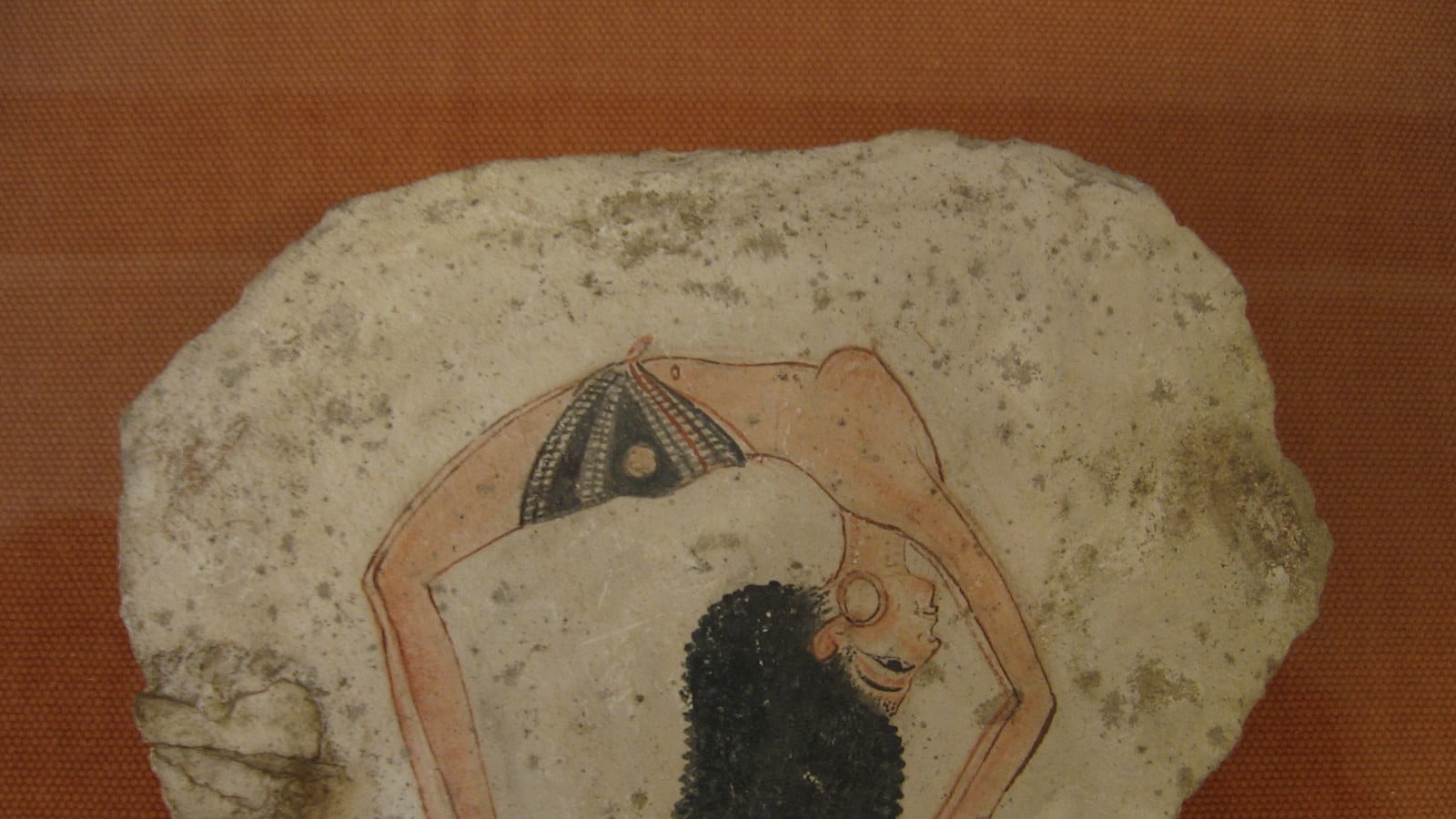
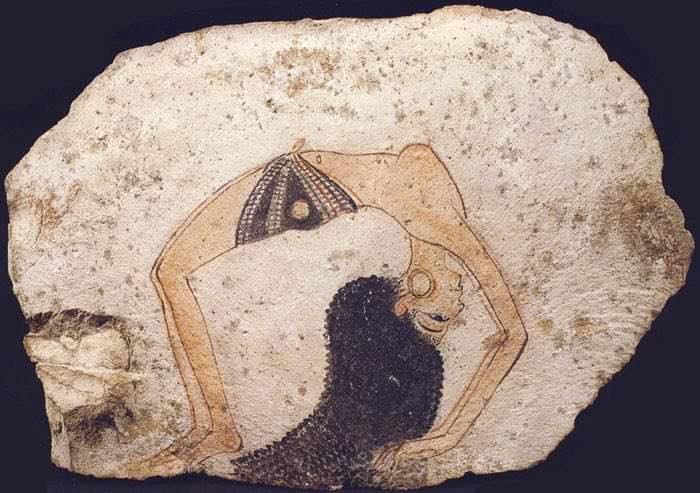
Among ancient Egyptian artifacts, one painted limestone potsherd (ostacon) stands out for both its artistic beauty and cultural insight. Dating back to around 1200 BC, during the New Kingdom’s 19th Dynasty (16th-11th century BC), this magnificent piece depicts an acrobat or dancer in an intricate gymnastic backbend position. The potsherd was discovered in Deir el-Medina, an ancient village in Al Qarna, Egypt, renowned as the home of skilled craftsmen who constructed and decorated royal tombs in the Valley of the Kings and Queens.
This ostracon’s exceptional detail, including the dancer’s elaborate hairstyle, rings, and earrings, reveals a blend of artistic mastery and the rich social life within this artisan community.
Historical and Cultural Context of Deir el-Medina
Deir el-Medina was a unique, self-contained community of artisans, architects, painters, and laborers who served the pharaoh by building and decorating royal tombs. It housed around 60 to 70 families from the New Kingdom era, primarily between the 16th and 11th centuries BC. The villagers lived a structured life, balancing the demands of strenuous labor in the necropolises with cultural and religious practices.
Artisans and their families had distinct roles beyond their craft, including religious ceremonies and social entertainments like music and dance. This potsherd painting likely was created by a fellow artisan, possibly as a personal or practice sketch, showcasing daily life and artistic expression in the village.
Artistic Features of the Ostracon
The Acrobat’s Posture and Movement
The figure is captured mid-backbend or gymnastic throwback, a pose that tests the artist’s skill in representing the human body dynamically. The dancer’s limbs, elongated and deliberately posed, convey motion and flexibility uncommon in conventional Egyptian art emphasizing profile and static formalism.
Hairstyle and Jewelry
The woman sports a sumptuous hairstyle typical of New Kingdom aesthetics, often seen in wall paintings and reliefs from the period. Circular earrings and several rings embellish her ears, signaling both beauty and status. These details are meticulously rendered with paint on limestone, highlighting the artist’s prowess and attention to detail.
Costume
The dancer wears a short black kilt adorned with decorative patterns, a typical garment for female dancers of the New Kingdom. Unlike typical daily attire, dancers could wear more revealing or specialized costumes during performances. The scant kilt combined with her nudity resonates with the ritualistic or performative purpose of the dance.
The Role of Dance and Acrobatics in Ancient Egypt
Dance was a vital part of ancient Egyptian life, serving religious, ceremonial, and entertainment purposes. It was believed to elevate the spirit during rituals and funerals, as well as provide joyful amusement in festivals and banquets. Female dancers were prevalent in temple ceremonies and elite social gatherings, often accompanied by music played on harps, tambourines, and flutes.
Acrobatic dances like the one depicted on this ostracon combined physical skill, artistry, and symbolic meaning. Acrobatics may also have been part of fertility rites or mimetic reenactments of mythological stories. The dancer’s pose reflects the fluid and expressive nature of New Kingdom performance arts, transcending the rigid postures of earlier periods.
Materials and Techniques: Ostracon as an Artistic Medium
Ostraca, or potsherds and limestone flakes, were commonly used as sketchpads by Egyptian artists. Papyrus was expensive, so artisans and scribes used ostraca for practice and informal drawings. These surfaces provide precious glimpses into the everyday creativity of ancient Egyptians, often showing unfinished works, caricatures, and candid scenes unlike formal art in temples or tombs.
This particular ostracon is painted with colored pigments on limestone, a medium renowned for its durability. The artwork’s preservation allows modern viewers to appreciate the finesse and lively spirit of the figure, encapsulating a vibrant moment of ancient life.
Significance of the Artifact in Egyptology
This ostracon is not only an artistic marvel but also a cultural document. It encapsulates the fusion of daily artisan life with ritual and leisure activities. Its discovery in Deir el-Medina adds value. Revealing how workers who built royal necropolises preserved their own cultural identity through art.
Moreover, the depiction of a female acrobat challenges common perceptions about ancient Egyptian society’s social roles. Showcasing the prominence and visibility of women in performative arts. The artwork also reflects how New Kingdom artists innovated within traditional Egyptian artistic canons, embracing movement and sensuality.
Where to See This Ostracon Today
The painted ostracon of the acrobatic dancer is part of the Drovetti Collection. Acquired in 1824 and now housed in the Egyptian Museum in Turin, Italy. The museum is world-renowned for its extensive Egyptian antiquities collection. And offers visitors a chance to witness this rare gem of New Kingdom art up close.
The ostracon remains a favorite among scholars and enthusiasts for its expressive power and detailed craftsmanship. Symbolizing the cultural richness of ancient Egypt’s artisan communities.
Conclusion
The ancient Egyptian painted limestone potsherd of the acrobat or dancer from 1200 BC. Is a stunning testament to the artistic genius and vibrant cultural life of Deir el-Medina’s craftsmen. It beautifully merges craftsmanship, performance art, and social narrative. Offering a rare window into a world where work, ritual, and entertainment intertwined.
For enthusiasts of Egyptian history, art, and dance, this ostracon is a priceless artifact. That enriches understanding of the New Kingdom’s dynamic society and the timeless human celebration of movement and beauty.
ALSO READ: The Tragic Wedding Tombstone of Noratus Cemetery: A 10th-Century Armenian Love Story Carved in Stone