Ancient Chewing Gum Unearthed in Sweden Reveals Life from 10,000 Years Ago
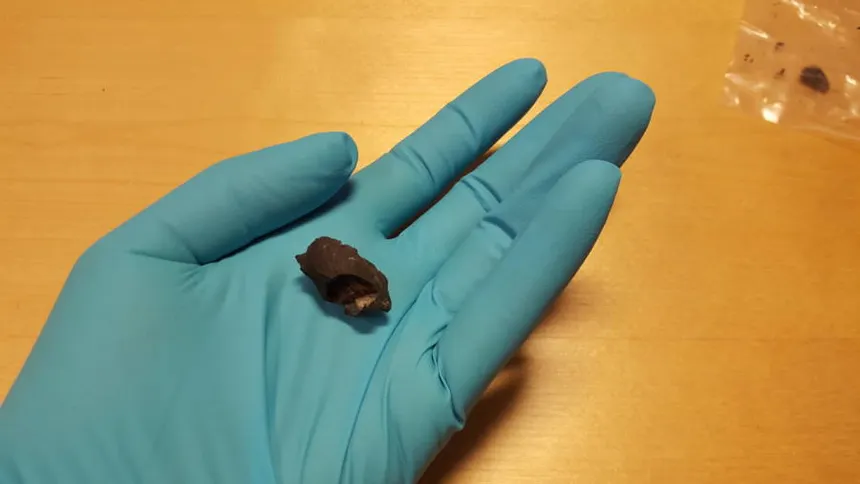
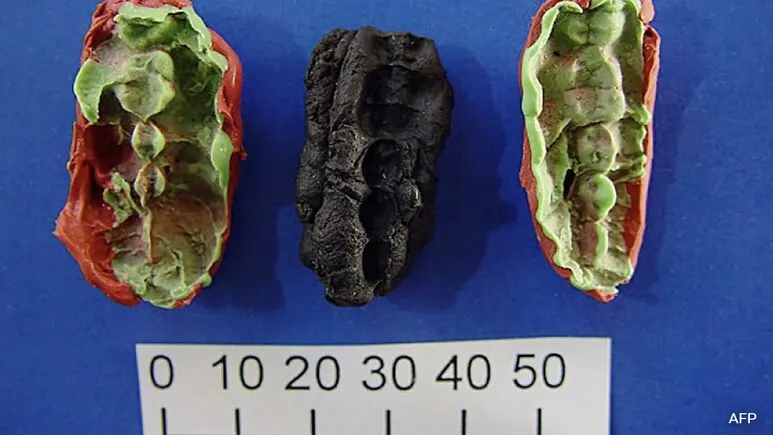
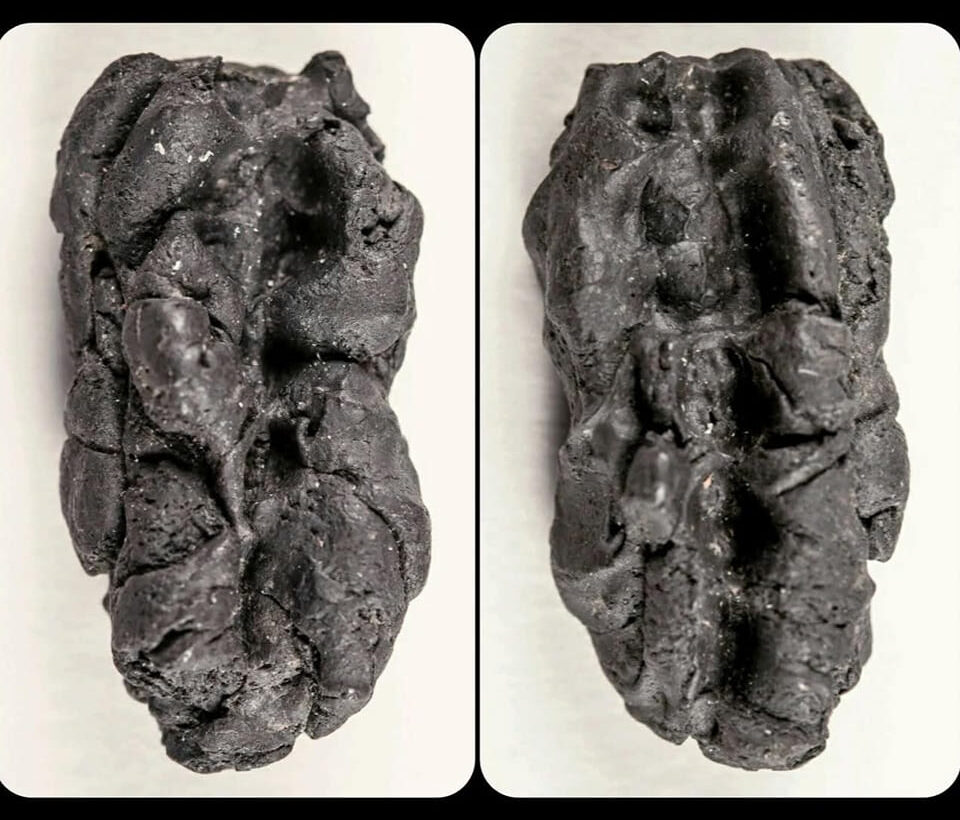
Archaeology often reveals surprising details about how our prehistoric ancestors lived. One of the most unusual finds in recent decades is a collection of 10,000-year-old pieces of chewing gum from Sweden. Made from birch tar, these artifacts preserve the literal bite marks of Mesolithic teenagers who once chewed them.
Far from being just a curiosity, this ancient “chewing gum” has provided scientists with an extraordinary amount of information. By analyzing the DNA and microbes preserved within the tar, researchers have uncovered valuable insights into the diet, health, and even social lives of prehistoric communities in Scandinavia.
The Discovery of the Chewing Gum
The birch tar chewing gums were discovered at Mesolithic archaeological sites in Sweden, including Huseby Klev on the country’s west coast. Excavations revealed that these pieces were chewed approximately 10,000 years ago, during the Mesolithic period when small groups of hunter-gatherers thrived in Scandinavia.
Archaeologists first identified the tar fragments by their distinctive teeth impressions. Their discovery immediately raised questions: why were prehistoric people chewing tar, and what could these ancient artifacts reveal about them?
What is Birch Tar?
Birch tar is a sticky, black substance made by heating birch bark in the absence of air. It was one of the earliest synthetic materials created by humans.
-
Practical Uses – Prehistoric people used birch tar as an adhesive for making stone tools, fixing points onto wooden shafts, and waterproofing containers.
-
Medicinal Properties – Birch tar contains antiseptic compounds, which may explain why people chewed it. It may have soothed toothaches, cleaned the mouth, or even treated infections.
-
Chewing Behavior – By chewing the tar, prehistoric people softened it, making it easier to apply as glue. However, it may also have served as a recreational activity—an ancient version of chewing gum.
Teenagers and the Chewing Gum
Analysis of DNA from the chewing gum revealed that the primary chewers were teenagers, probably between 15 and 18 years old.
Why teenagers? Several theories exist:
-
Tool-Making Apprentices – Young people may have been tasked with softening tar for older toolmakers.
-
Social Rituals – Chewing tar could have been a social activity, like modern chewing gum.
-
Medicinal Practice – Teenagers might have chewed birch tar to ease dental pain or gum disease.
Interestingly, the dental impressions and DNA show that both male and female teenagers chewed the tar, suggesting it was a communal practice rather than gender-specific.
What DNA Reveals: Prehistoric Diet
One of the most groundbreaking aspects of the chewing gum is the preserved ancient DNA. Unlike bones, which often degrade, birch tar created a sealed environment that protected genetic material.
DNA analysis revealed the teenagers’ diet:
-
Hazelnuts – A staple high-energy food of Mesolithic hunter-gatherers.
-
Deer – Providing both meat and hides, deer were crucial for survival.
-
Trout – Fish from nearby rivers and lakes were an important protein source.
This evidence aligns with other archaeological findings, confirming that Mesolithic communities in Scandinavia relied on a varied diet of nuts, game, and fish.
Evidence of Gum Disease
Another surprising revelation came from the oral microbes preserved in the tar. DNA analysis showed that the teenagers suffered from severe gum disease (periodontitis).
This discovery challenges the assumption that prehistoric people had perfect dental health. Despite having no refined sugars or processed foods, their oral health still suffered, possibly due to:
-
Diet rich in animal protein and starch
-
Lack of oral hygiene practices
-
Natural susceptibility to bacterial infections
The chewing gum provides some of the earliest direct evidence of oral health problems in human history.
Cultural and Social Importance
The chewing gum also opens a window into the social life of Mesolithic communities.
-
Shared Knowledge – Teenagers chewing tar may have been part of learning practical skills.
-
Community Bonds – Chewing could have been a way of socializing or participating in group tasks.
-
Spiritual or Ritual Use – In some cultures, chewing resins and tars had symbolic or medicinal significance.
Thus, the chewing gum reflects not only diet and health but also cultural practices and generational learning.
A Unique Archaeological Resource
Why is the Swedish chewing gum so important? It represents a unique archaeological resource for several reasons:
-
Preservation of DNA – Unlike bones, tar preserved both human and microbial DNA for millennia.
-
Direct Evidence of Behavior – Teeth impressions prove physical interaction with the material.
-
Personalized History – Unlike tools or pottery, chewing gum reflects individual actions and identities.
It is one of the rare cases where we can almost directly “meet” prehistoric teenagers through something as intimate as their chewing habits.
Comparisons with Other Finds
While Sweden’s chewing gums are among the oldest, similar artifacts have been found elsewhere:
-
Denmark – Pieces of chewed birch pitch with DNA dating back 5,700 years were discovered on the island of Lolland.
-
Germany – Earlier finds of chewed pitch show that the practice was widespread across Europe.
These comparisons suggest that chewing tar was a common behavior among prehistoric peoples across northern Europe.
Modern Scientific Relevance
The study of ancient chewing gum has broader implications:
-
Human Evolution – DNA provides insights into ancestry, migrations, and genetic diversity.
-
Microbiome Research – Ancient microbes help scientists trace the evolution of human health and disease.
-
Cultural Continuity – Chewing substances for recreation, health, or ritual has deep roots in human history.
This discovery bridges the gap between archaeology, genetics, and medicine, making it a multidisciplinary treasure.
Conclusion
The 10,000-year-old chewing gum from Sweden is far more than an archaeological curiosity. It is a time capsule of prehistoric life, preserving the DNA, diet, health, and daily activities of Mesolithic teenagers. From hazelnuts and trout to gum disease and social rituals, the chewing gum reveals the complexity of early human societies in Scandinavia.
By analyzing these ancient bite marks, scientists are rewriting what we know about prehistoric health, diet, and cultural practices. What may have once been seen as mere tar is now understood as one of the most personal and revealing artifacts of prehistory.
The chewing gum reminds us that even in the distant past, humans shared habits not so different from ours today—seeking comfort, passing time, and leaving behind traces of their stories in the most unexpected places.
ALSO READ: Masks of the Tribes of the Republic of Zambia: Spirits, Myth, and Cultural Identity