El Tigre Pyramid: Majestic Witness of the Maya in Guatemala’s Mirador Basin
Nestled deep within the lush Mirador Basin rainforest of northern Guatemala, the El Tigre Pyramid stands as a majestic relic from the Late Preclassic period of the ancient Maya civilization. Constructed around 200 BC, this incredible pyramid bears silent testimony to the sophisticated society that flourished thousands of years ago. Its steep limestone steps, towering height, and expansive base highlight the architectural ingenuity of the Maya, while its location deep within the jungle evokes a sense of discovery and mystique for visitors and archaeologists alike.
Historical Significance of El Tigre and the Mirador Basin
El Tigre Pyramid is part of the vast complex of sites comprising El Mirador, one of the earliest and largest urban centers in Maya history. The Mirador Basin is known for housing some of the oldest monumental architecture in Mesoamerica, predating even famed Classic Maya cities like Tikal by centuries. El Mirador, thriving roughly between 400 BCE and 200 CE, saw a flourishing society that developed advanced urban planning, an intricate socio-religious system, and monumental architecture — with El Tigre Pyramid serving as a vital ceremonial hub.
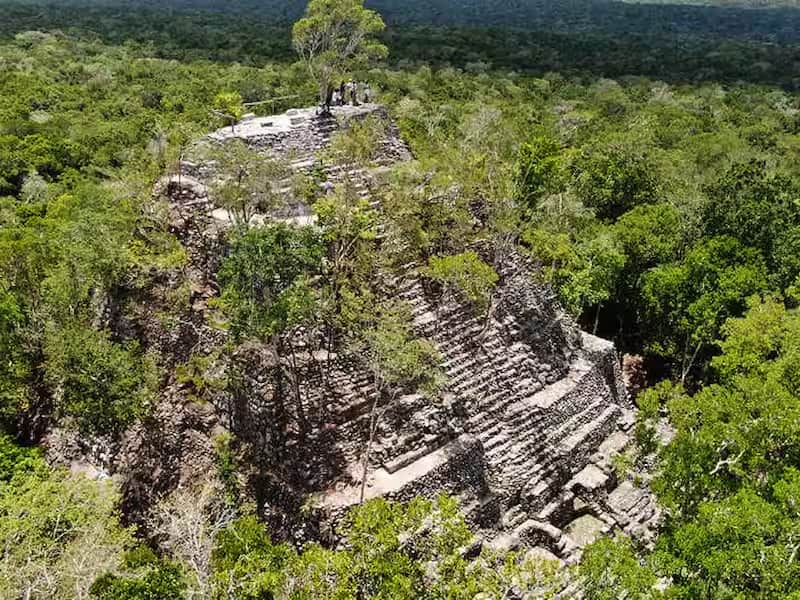
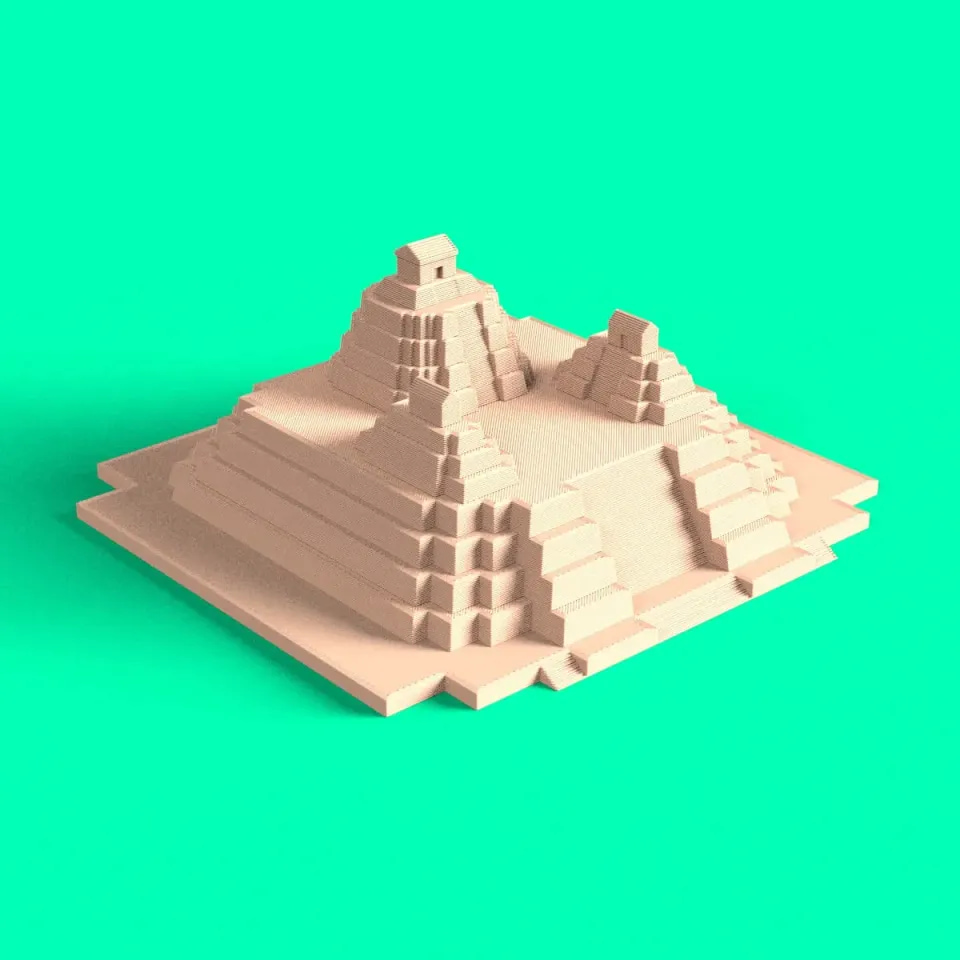
El Tigre itself rises approximately 40 meters (131 feet) high and comprises five staggered terraces culminating in a triadic temple complex at its summit — a signature architectural form of the Preclassic Maya. The triadic pattern represents celestial and religious symbolism tied to Maya cosmology, reflecting their belief system that connected earthly rulers with divine forces.
Architectural Features and Design of El Tigre Pyramid
The pyramid’s construction from enormous limestone blocks demonstrates the technical skill of the Maya builders. Its steep steps, now weathered and softened by centuries of tropical rains, lead visitors upward through history. Large stucco masks of Maya deities once adorned the pyramid’s slanting walls, adding a vibrant artistic dimension to its religious function.
El Tigre is notable not only for its imposing size but also for its association with a triadic architectural arrangement. This design includes a central dominant structure flanked by two smaller temples, symbolizing the three hearth stones of creation pivotal in Maya mythology. The pyramid was likely a focal point for rituals, ceremonies, and possibly even sacrificial rites, as indicated by skeletal remains found nearby.
The Mystique of the Jungle and Preservation Challenges
Over centuries, the surrounding jungle has grown unchecked, cloaking El Tigre and its sister pyramids in dense foliage. Lichen and moss cover the stone surfaces, painting natural murals and creating an otherworldly atmosphere of timelessness. This natural reclamation echoes the impermanence of human endeavors against the relentless forces of nature.
However, this dense jungle environment also poses significant challenges for archaeologists seeking to excavate and preserve the site. Thick vegetation, humidity, and the remote location slow exploration and conservation efforts. Despite these hurdles, ongoing preservation projects aim to protect El Tigre Pyramid and the broader Mirador Basin as a UNESCO World Heritage site candidate, recognizing its immense cultural and historical value.
The Role of El Tigre in Maya Society and Religion
El Tigre was not merely an architectural marvel but a socio-religious center that played a crucial role in Maya culture. The pyramid likely hosted elite ceremonies, including those related to the ruling dynasty’s divine authority and connection to the cosmos. The rituals performed here symbolized the Maya worldview, where earthly actions mirrored celestial events.
The substantial human remains with embedded arrowheads found near El Tigre suggest that the site witnessed conflict during the transition to the Classic period, reflecting shifting political power and the turbulent nature of Maya city-states. This history adds layers to our understanding of Maya civilization’s complexity and fragility.
Modern Discoveries and Research
Research led by archaeologists like Richard D. Hansen and teams working in the Mirador Basin has revolutionized the understanding of the Preclassic Maya. Discoveries at El Tigre reveal that Maya civilization’s roots extend deeper in time than previously believed. With fully developed urban centers and monumental architecture emerging by 600 BCE.
Technological advances such as LiDAR scanning have allowed archaeologists to map the jungle-covered ruins extensively. Uncovering the vast scale of the Mirador Basin and its interconnected cities. These efforts continue to shed light on the political, religious, and societal dynamics of early Maya civilization.
Visiting El Tigre Pyramid Today
Due to its remote location and dense jungle coverage. El Tigre Pyramid is not as accessible or popular as other Maya sites. But it offers a unique experience for adventurous travelers and researchers. Trekking through the Mirador Basin to reach the pyramid immerses visitors in the jungle environment that shaped the ancient Maya’s life.
Visitors climbing El Tigre can witness breathtaking panoramic views at sunrise or sunset. Evoking the spiritual ambiance that ancient Maya priests might have felt. The site remains an evocative link to Mesoamerica’s gilded past. Inspiring awe and respect for one of humanity’s earliest complex civilizations.
ALSO READ: Lightning Photograph in West Virginia: Danny Danya’s Once-in-a-Lifetime Shot