The Paracas Elongated Skulls: Ancient Peruvian Cranial Deformation
Among the most visually arresting archaeological discoveries in South America are the Paracas elongated skulls, relics that have puzzled scientists, historians, and enthusiasts alike. Dating back nearly 2,000 years, these skulls offer more than physical evidence of human manipulation; they reveal the spiritual and social aspirations of one of Peru’s most enigmatic ancient cultures.
Unearthing the Paracas Culture
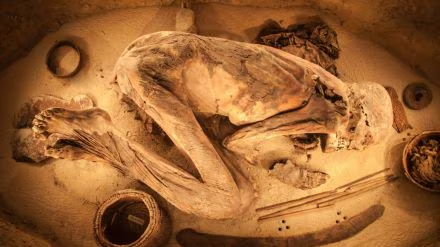
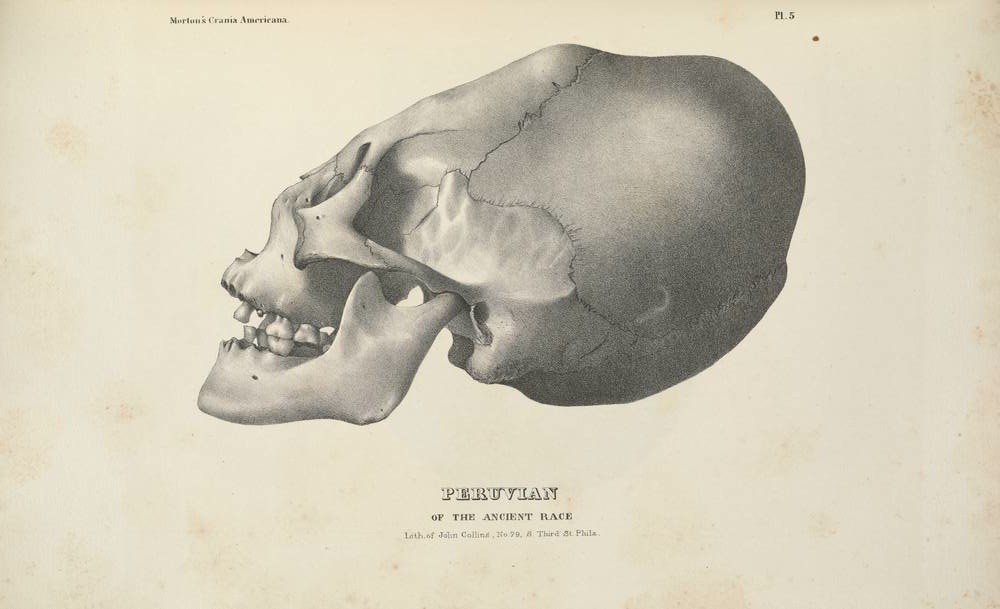
The Paracas culture flourished on the dry southern coast of Peru from approximately 800 BCE to 100 BCE. First uncovered by Peruvian archaeologist Julio C. Tello in the 1920s, the Paracas Necropolis yielded vast burial sites containing mummified remains wrapped in elaborate textiles. Within these tombs, some skulls exhibited remarkable elongation—an intentional reshaping of the human cranium practiced from early infancy.
These elongated skulls were not isolated anomalies but widespread markers of cultural identity. Through careful archaeological excavation, researchers have linked their presence to social hierarchy, aesthetic symbolism, and possibly ritual purpose.
The Process of Cranial Deformation
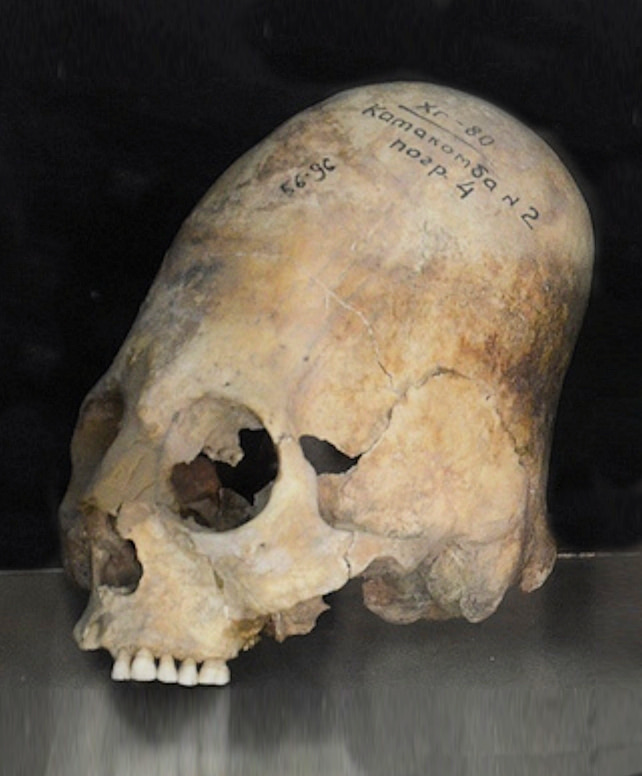
Artificial cranial deformation was achieved by tightly binding the head of an infant using cloth, wooden boards, or specially shaped cradleboards. Because the skull bones of infants remain soft and malleable, sustained pressure over several years gradually altered the skull’s shape.
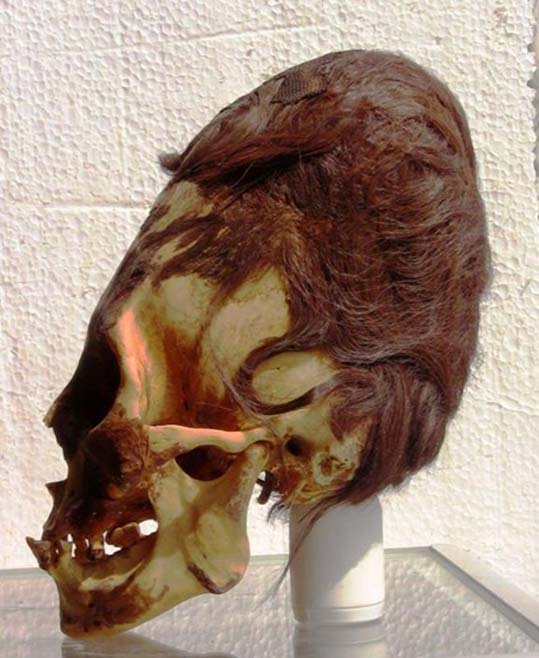
Paracas skulls display a distinctive elongated, conical form extending backward, creating a head shape dramatically different from natural human morphology. Despite this reshaping, the brain’s function was not impaired. The skill required to achieve such uniform shaping without fatal injury underscores a remarkable understanding of anatomy.
Purpose and Meaning Behind the Practice
Why did the Paracas people reshape their skulls? Archaeologists propose several interpretations:
-
Social status and hierarchy: Cranial elongation might have been a mark of nobility, reserved for elite families within Paracas society.
-
Cultural identity: Distinctive head shapes could have differentiated tribes or lineages, serving as a visible sign of belonging and prestige.
-
Spiritual symbolism: The elongated form may have been associated with divine ancestry, representing figures of power or celestial beings revered in Andean cosmology.
This physical alteration thus transcended vanity, symbolizing deeper notions of identity, beauty, and the human relationship with the divine.
The Geological and Environmental Context
The Paracas Peninsula rests on the arid coast of southern Peru, a landscape of red sands and wind-shaped cliffs that overlook the Pacific Ocean. Its harsh dryness, paradoxically, preserved organic remains exceptionally well, including mummified bodies, textiles, and bone material.
Over the millennia, the mineral-rich soil of the desert environment stained these ancient skulls with deep hues of ochre and amber. Yet the sutures and structural details remain remarkably intact, allowing forensic anthropologists to examine them with modern imaging technology.
Archaeological Discoveries and Museum Collections
Hundreds of elongated skulls were recovered from the Paracas Necropolis, particularly in the Cerro Colorado region. These burial chambers often contained family groups and individuals wrapped in layers of intricately woven textiles. Offerings such as ceramics, jewelry, and food accompanied the dead, signifying reverence for the afterlife.
Today, many Paracas skulls are curated in local Peruvian museums, such as the Museo Nacional de Arqueología, Antropología e Historia del Perú, while others remain under study by bioarchaeologists worldwide. Analysis of burial contexts has helped reconstruct social networks, trade systems, and religious beliefs of the Paracas people.
Scientific Analysis: Debunking Myths and Misconceptions
The striking appearance of these skulls has occasionally fueled speculation about non-human origins or extraterrestrial influence. However, modern science decisively attributes their form to deliberate human intervention.
Computed tomography (CT) scans, DNA analyses, and morphological studies have demonstrated that Paracas skulls share the same cranial capacity and bone structure as normal human skulls, apart from shape alterations. The results confirm that these modifications reflect cultural practices rather than biological anomalies.
Links to Later Andean Cultures
After the decline of the Paracas, cultural traditions of cranial deformation continued into later Andean civilizations, including the Nazca (their immediate successors) and the Inca. This continuity suggests that the practice carried lasting spiritual and aesthetic resonance across pre-Columbian societies in South America.
In Andean cosmology, elongation may have symbolized closeness to the gods or emulation of supernatural beings. Imagery on ceramics and textiles from multiple cultures reinforces this idea, showing figures with elongated heads often associated with deities or leaders.
Anatomical and Aesthetic Interpretations
To modern eyes, the elongated skull may appear alien or unsettling, yet to ancient Paracas society, it represented ideal beauty and power. Much as body modification and ornamentation express identity in many cultures, cranial deformation was a visual signature of belonging and transcendence.
The elongated skull also altered how headgear and ritual adornments were worn. Many Paracas mummies were found wrapped in layers of embroidered textiles with cone-shaped headdresses precisely fitted to their cranial contours—artifacts that merged aesthetic presentation with spiritual meaning.
Preservation and Heritage Today
The Paracas Necropolis stands as a UNESCO-recognized cultural treasure, though the region has faced challenges of looting and erosion. Modern conservation efforts focus on stabilizing fragile textiles and skeletal remains while promoting ethical curation and scientific transparency.
In recent decades, Peruvian authorities and international institutions have collaborated to repatriate Paracas artifacts that were illegally exported. These efforts aim to preserve Peru’s ancient heritage within its cultural context, ensuring continued research and education about the significance of the Paracas people.
What the Elongated Skulls Reveal About Humanity
Beyond their archaeological intrigue, the Paracas elongated skulls provoke profound reflections on the human condition. They reveal that the desire to transform one’s body for meaning, beauty, or faith is as old as civilization itself.
This quest—to reshape nature in pursuit of the extraordinary—has persisted across eras and continents. Whether through body adornment, art, or architecture, humans continually reinterpret the boundaries of identity and form. The Paracas skulls stand as silent emblems of that enduring creativity and devotion.
Conclusion: Echoes from the Desert Sands
Two thousand years after the Paracas people shaped these skulls beneath the relentless Peruvian sun, their legacy endures in bone, fabric, and myth. The elongated craniums, once symbols of prestige and spirituality, now bridge past and present—inviting the modern world to ponder the complex interplay between biology, culture, and belief.
The Paracas skulls remind us that humanity’s story is not one of passive evolution but of active imagination—a dialogue between nature and artifice, faith and identity, mortality and memory.
ALSO READ: Calakmul: The Hidden Maya Metropolis of the Jungle