The Mursi Lip Plate: Symbolism, Identity, and Tradition in Ethiopia’s Omo Valley
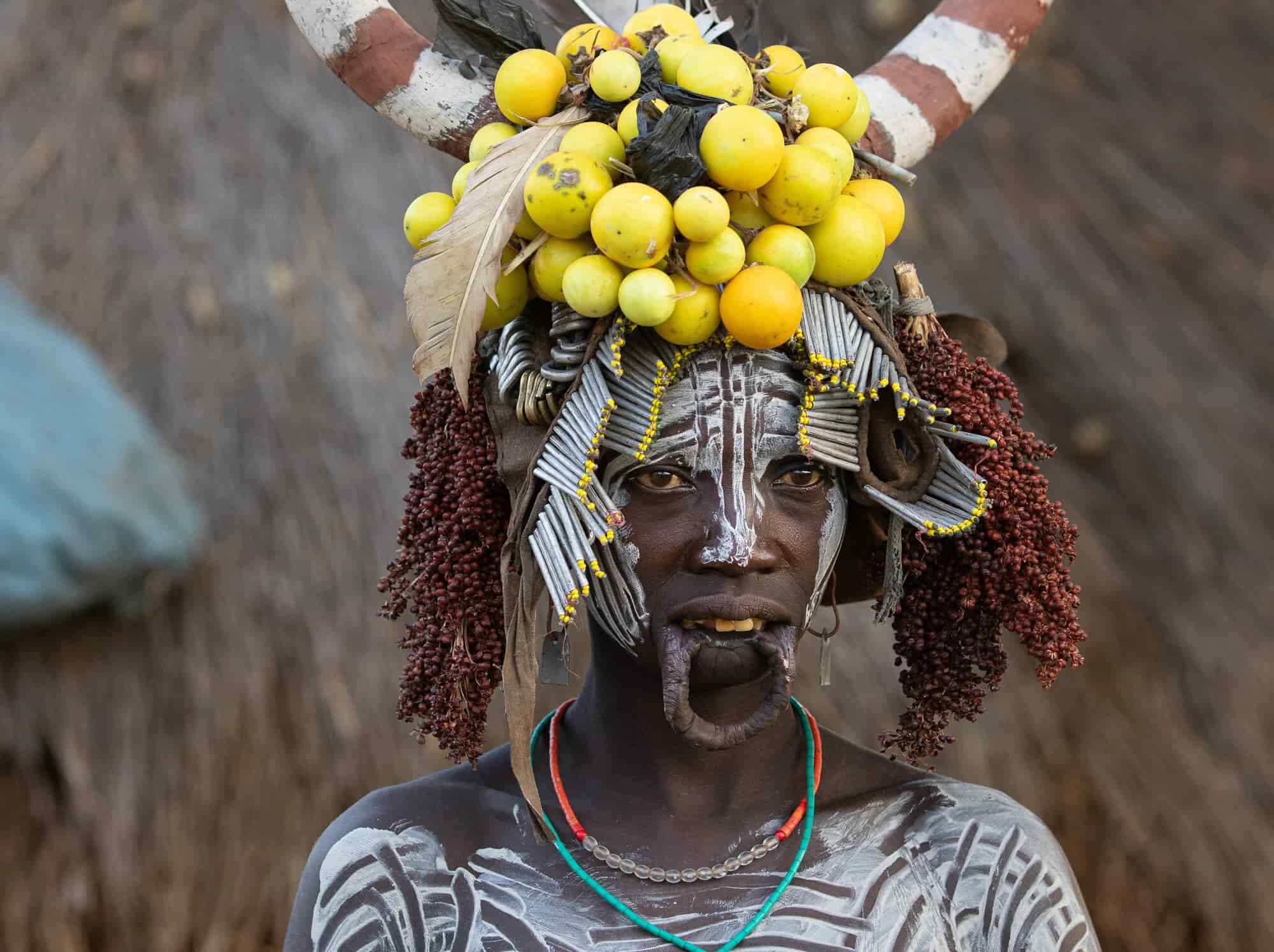
The Mursi lip plate, known locally as dhebi a tugoin, stands among the most striking forms of bodily adornment in the world. Worn traditionally by women of the Mursi tribe in southwestern Ethiopia, it is both a deeply personal and communal emblem that connects aesthetic beauty, social significance, and ancestral continuity. Beyond its visual impact, the lip plate serves as a living vessel of anthropology and resilience — revealing insights into how human culture adapts and evolves through artistry and pain alike.
Origins of the Lip Plate Tradition
The custom of lip plate wearing among the Mursi dates back several centuries. Anthropologists suggest that the practice likely emerged during ancient inter-tribal conflicts as a deterrent against enslavement. Over time, however, it transformed into a cultural expression of honor, maturity, and beauty. The Mursi live in the remote Omo Valley — a UNESCO World Heritage region where seasonal floods of the Omo River nurture both the land and the traditions that have survived within it.
In their semi-nomadic pastoralist lifestyle, rites of passage and physical adornment play crucial roles. The lip plate became embedded within the fabric of social life, marking a vital transition for women entering adulthood and readiness for marriage.
The Process of Insertion and Craftsmanship
The lip plate is typically introduced during a woman’s teenage years. A small incision is made in the lower lip, into which a wooden peg is first inserted. Over weeks and months, the lip is gradually stretched to accommodate larger plates, often made from clay or wood. Size varies widely, with some plates reaching over 12 centimeters in diameter.
Each plate is handcrafted by the woman or her family members. The process involves shaping clay discs, firing them over open flames, and decorating their surfaces with etched geometric or symbolic patterns. These markings are neither random nor purely aesthetic — they represent individuality, craftsmanship, and family identity, encapsulating the artistry of the Omo Valley’s cultural heritage.
Symbolism: From Status to Aesthetic Identity
For the Mursi, the lip plate serves multiple symbolic layers. It represents maturity, fertility, and social standing. In many cases, the size of the plate may be associated with the woman’s dowry value, linking bodily art with marital and economic dimensions within the community. However, anthropologists caution against oversimplification — the lip plate is not merely a transactional symbol but a marker of pride and belonging.
Wearing the plate transforms the physical body into a social narrative. It communicates resilience, beauty, and adherence to ancestral customs. Younger generations may choose smaller plates or forgo them altogether, but even in change, the symbolism persists as part of Mursi identity.
Cultural Adaptation in the Modern Era
As modernization and tourism reach the secluded Omo Valley, Mursi traditions face both visibility and challenge. Anthropologists note a dual effect: global fascination fuels interest and economic opportunity, yet it also risks simplifying or commodifying an intricate cultural expression.
Some young Mursi women no longer wear large plates, balancing traditional expectations with modern realities such as education, mobility, and interaction with outsiders. Yet even without physical adornment, the cultural value of the lip plate survives in oral histories, art, and community ceremonies. The shift reflects not the loss of tradition but its adaptation — illustrating how identity negotiates with modern pressures.
Scientific and Anthropological Insights
From a scientific perspective, the Mursi lip plate offers insight into human physiology and cultural anthropology. The gradual stretching of tissue demonstrates remarkable elasticity and regenerative capacity. Studies of craniofacial adaptation show how the human body conforms under ritual modification, creating enduring marks that blur the boundary between biology and art.
Anthropologists emphasize the importance of understanding such practices within their cultural contexts. Rather than viewing them as exotic or primitive, the lip plate exemplifies the universal human desire to signify belonging, beauty, and meaning through the body. In the broader archaeological record, similar lip adornments are known from ancient Sudan, Chad, and parts of South America — evidence that the impulse toward body modification as cultural expression spans continents and millennia.
The Paradox of Beauty and Pain
The symbolism of the Mursi lip plate is deeply paradoxical. It embodies both beauty and struggle, permanence and change. Insertion causes pain, swelling, and months of adaptation — yet it culminates in social elevation, pride, and celebration. For the Mursi, endurance through discomfort mirrors the resilience of life in the harsh Omo landscape. The plate thus becomes a physical testament to the woman’s strength and her community’s continuity.
Photographers and ethnographers who document the Mursi often capture women with poised dignity and striking adornment, their faces reflecting both scars of endurance and serenity of purpose. To outsiders, the lip plate may appear alien. To the Mursi, it is a sacred mirror — one that reflects who they are and where they come from.
The Lip Plate and Global Perceptions
Western interpretations have long oscillated between fascination and misunderstanding. Early anthropologists in the 19th and 20th centuries often described such adornments as symbols of savagery or subjugation. Contemporary scholars challenge these colonial narratives, emphasizing that meaning should arise from within the community, not from external judgment.
Tourism adds another layer of complexity. Visitors to the Omo Valley frequently seek photographs of Mursi women with lip plates, providing short-term income but also raising ethical debates about cultural portrayal and consent. Responsible tourism now advocates respectful engagement that prioritizes local dignity and cultural preservation over spectacle.
Preservation of Intangible Heritage
As Ethiopia advances development projects and infrastructure near the Omo Valley, the Mursi face environmental and sociocultural pressures. Government resettlement programs, shifting river patterns due to dams, and modernization threaten traditional livelihoods. Non-governmental organizations and cultural preservationists work to document oral histories, art forms, and rituals to safeguard Mursi identity.

For the tribe, the lip plate remains more than decoration — it is ancestral memory made visible. Each plate, cracked or worn, carries generations of meaning. Its continuity, even in evolving forms, ensures the Mursi voice endures amid a changing world.
Conclusion: A Living Symbol of Heritage and Resilience
The Mursi lip plate stands as a visual language of identity — a fusion of art, endurance, and belonging. It bridges centuries of continuity between ancestral reverence and modern adaptation. More than a physical ornament, it reflects the story of a people who have learned to inscribe meaning onto the body as an act of survival, pride, and beauty.
In an age of global homogenization, the Mursi lip plate challenges us to reconsider what it means to express culture through the human form — to find, even in pain and transformation, a reminder of resilience and the timeless power of heritage.
ALSO READ: The Artistry of Roman Glass from 300 AD