Kondana Caves: Ancient Buddhist Rock-Cut Marvel Near Kondana Village, India
Nestled in the lush hills near the village of Kondana in Maharashtra, India, the Kondana Caves are a striking testament to ancient Buddhist architecture and craftsmanship from over two millennia ago. Carved out of solid basalt rock around the 1st century BCE, these 16 rock-cut caves showcase intricate artistry and precise workmanship that continue to amaze archaeologists, historians, and visitors to this day. Despite enduring natural calamities like earthquakes, the caves retain their architectural beauty and symbolic significance, standing as silent witnesses to a lost era of spiritual practice and artistic excellence.
Historical Background and Location
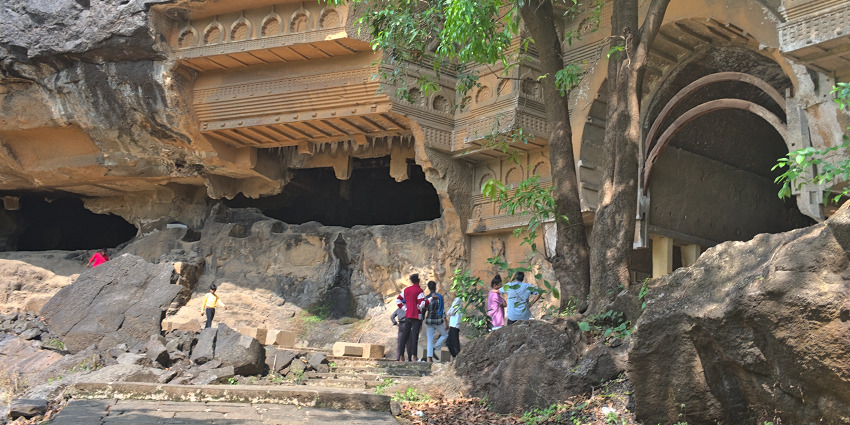
The Kondana Caves are located approximately 33 kilometers north of Lonavala and about 16 kilometers northwest of the famous Karla Caves in Maharashtra’s Western Ghats. Dating back to the 1st century BCE, these caves were carved during a flourishing period of Buddhism in India, contemporary with other notable rock-cut Buddhist sites such as Bhaja and Karla. The caves served as monastic dwellings, meditation halls, and places of worship for Buddhist monks, highlighting the spiritual and communal life of ancient India’s Buddhist monastic order.
Architectural Features and Craftsmanship
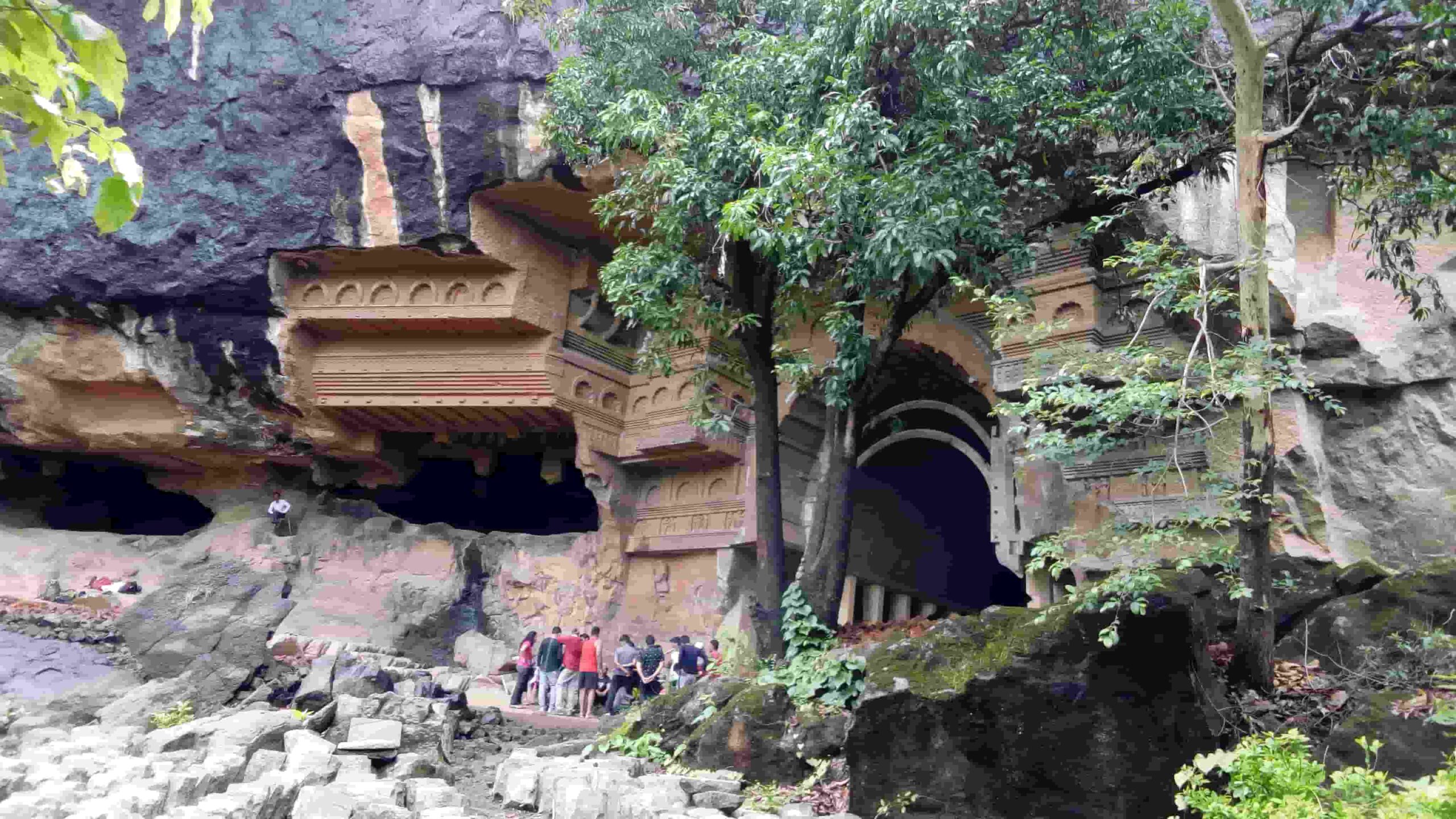
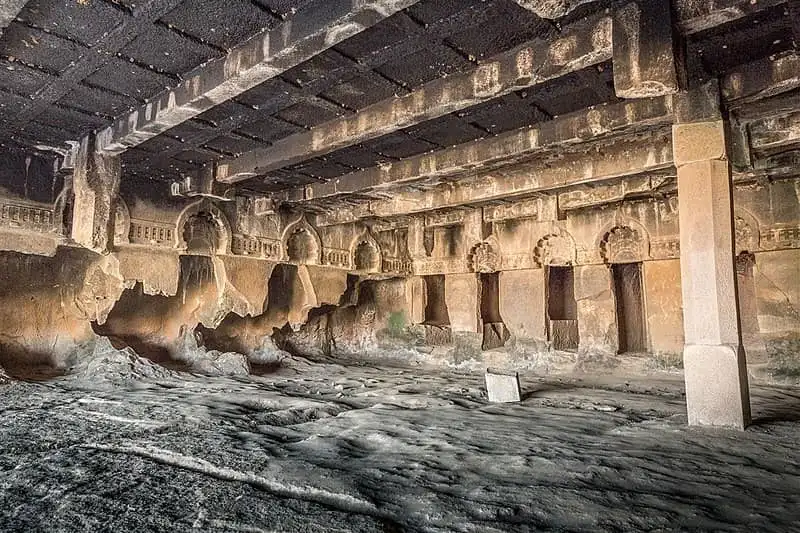
The Kondana Caves complex comprises 16 caves, including chaityas (prayer halls), viharas (monastic residences), stupas, and intricate sculptures. The largest and most significant is Cave No. 1, a chaitya hall approximately 66 feet long, 27 feet wide, and nearly 28 feet high. At its center stands a stupa about 9.5 feet in diameter, which served as a focal point for prayer and meditation. The stone pillars, decorated with elegant octagonal shapes, and carvings of dancing figures reveal a mastery of stone-cutting techniques. The cave ceilings and walls are remarkably smooth and carefully sculpted, reflecting the precision and technical skill of the craftsmen, which defy the limitations of their time.

Resilience Despite Natural Damages
The Kondana Caves suffered damages, notably from a major earthquake in the early 1900s, which affected some stupas, the main entrance, and flooring. However, the core rock-cut structures, including the chaityas and viharas, remain largely intact. The precision and quality of the stonework have withstood natural calamities, preserving the caves’ intricate details and elegant design. This durability speaks volumes about the advanced engineering skills and architectural knowledge possessed by these ancient artisans.
Cultural Significance and Legacy
The Kondana Caves represent an important chapter in India’s Buddhist architectural heritage and offer insights into the religious, cultural, and artistic milieu of ancient India. The fusion of spiritual symbolism with functional monastic structures illustrates how Buddhism shaped community life and artistic expression. The caves also provide evidence of religious syncretism. Seen in the coexistence of Buddhist motifs alongside influences from Hindu art forms.
Though the site is protected by the Archaeological Survey of India. It requires better maintenance and responsible tourism to preserve its grandeur for future generations. Visitors are encouraged to respect the site, acknowledging its place as a sacred and historic monument.
Visitor Experience and Surroundings
Situated amid dense forests and the scenic Western Ghats. The Kondana Caves offer not just a historical exploration but also a nature-filled trekking experience. The site features nearby seasonal waterfalls and streams. Which elevate the visitor’s journey to a fascinating blend of spirituality, history, and natural beauty. The trek to the caves is accessible and rewarding. Making it a favored destination for history enthusiasts and adventure seekers alike.
This detailed overview of the Kondana Caves lays out their historical background, architectural prowess, and enduring cultural significance. Positioning them as an essential heritage site for those interested in Buddhist history and ancient Indian rock-cut architecture. Preservation efforts and responsible tourism remain critical to safeguarding this extraordinary archaeological treasure. For the appreciation of scholars and travelers worldwide.
ALSO READ: Pompeii Necropolis Discovery: Unveiling Ancient Italy’s Burial Secrets