Jimbacrinus Crinoids: Fossil Sea Lilies of the Permian Seas
Deep within the rugged stone layers of Gascoyne Junction in Western Australia lie the delicate remains of Jimbacrinus crinoids—marine organisms that lived approximately 250 million years ago. Though extinct, their exquisitely preserved fossils offer a time capsule from one of the most dynamic periods in Earth’s history, just before the catastrophic Permian extinction.
These elegant creatures, often referred to as “sea lilies,” were not plants but animals—members of the echinoderm family, which also includes modern starfish and sea urchins. Through the careful study of Jimbacrinus fossils, scientists have pieced together a vivid story of ancient oceans, environmental upheaval, and the resilience of marine ecosystems.
Ancient Life in the Permian Seas
The late Permian period, about 252 million years ago, was a time of both prosperity and peril for ocean life. Marine ecosystems teemed with diversity: coral reefs flourished, brachiopods and ammonites thrived, and crinoids like Jimbacrinus anchored themselves to the seabed in shallow tropical waters.
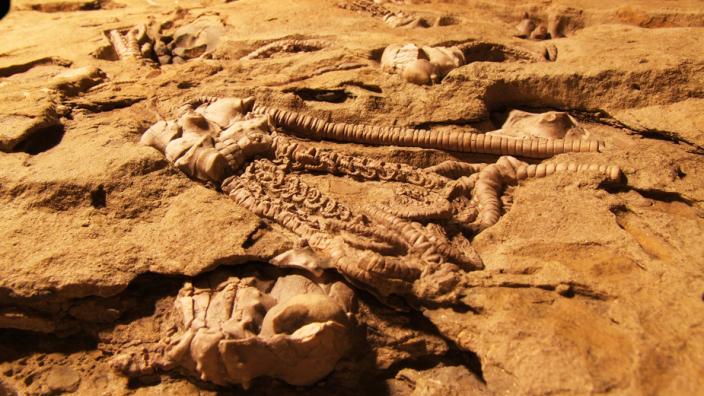
Jimbacrinus crinoids stood upright, attached to the sea floor by slender stalks that rose into feathery arms. These arms were designed to filter tiny particles—plankton and detritus—from the surrounding water. Each specimen preserved in the fossil record reveals intricate details of their arm structure, stem joints, and crown-like bodies, offering remarkable insight into the evolution of suspension-feeding organisms.
Fossil Discovery at Gascoyne Junction
The discovery of Jimbacrinus fossils in the Gascoyne region has placed Western Australia firmly on the paleontological map. Sedimentary deposits in this area capture a detailed cross-section of late Permian marine environments.
The crinoid fossils are often found in shale and limestone beds that were once part of a shallow sea. Over millions of years, mineral replacement preserved their three-dimensional forms, resulting in some of the most delicate and complete crinoid fossils ever discovered. The preservation quality is so high that the fine pinnules—the hair-like extensions of the feeding arms—can still be distinguished under magnification.
These fossils reveal not just individual anatomy but also the broader environment in which they lived. By examining sediment composition and associated fossils, researchers reconstruct ancient marine ecosystems to understand their structure, biodiversity, and response to environmental stress.
Anatomy and Adaptations of Jimbacrinus
Crinoids like Jimbacrinus possessed a body plan uniquely suited to their sedentary lifestyle. Their anatomy consisted of four main parts:
-
Holdfast: Anchored the organism firmly to the seabed.
-
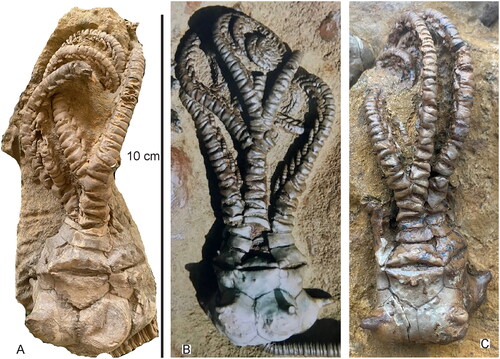
Stem: Composed of stacked columnals that acted like flexible joints, allowing the body to sway with ocean currents.
-
Calyx (body cup): Contained the main organs, protected by calcareous plates.
-
Arms: Branched extensions lined with tube feet for filter feeding.
The architecture of Jimbacrinus reflects a balance between strength and flexibility—features that allowed them to thrive in dynamic shallow-water ecosystems. Research into these anatomical elements has provided important clues about crinoid evolution and the biomechanics of suspension feeding in early marine animals.
The Permian Extinction: Earth’s Greatest Crisis
About 252 million years ago, the Permian period came to a dramatic and devastating end. Triggered by massive volcanic eruptions in the region now known as Siberia, Earth entered a phase of extreme global warming, ocean acidification, and oxygen depletion.
This event—known as the Permian-Triassic extinction or “The Great Dying”—wiped out around 90 percent of marine species and 70 percent of terrestrial life. Coral reefs collapsed, plankton populations dwindled, and entire lineages of marine invertebrates disappeared forever.
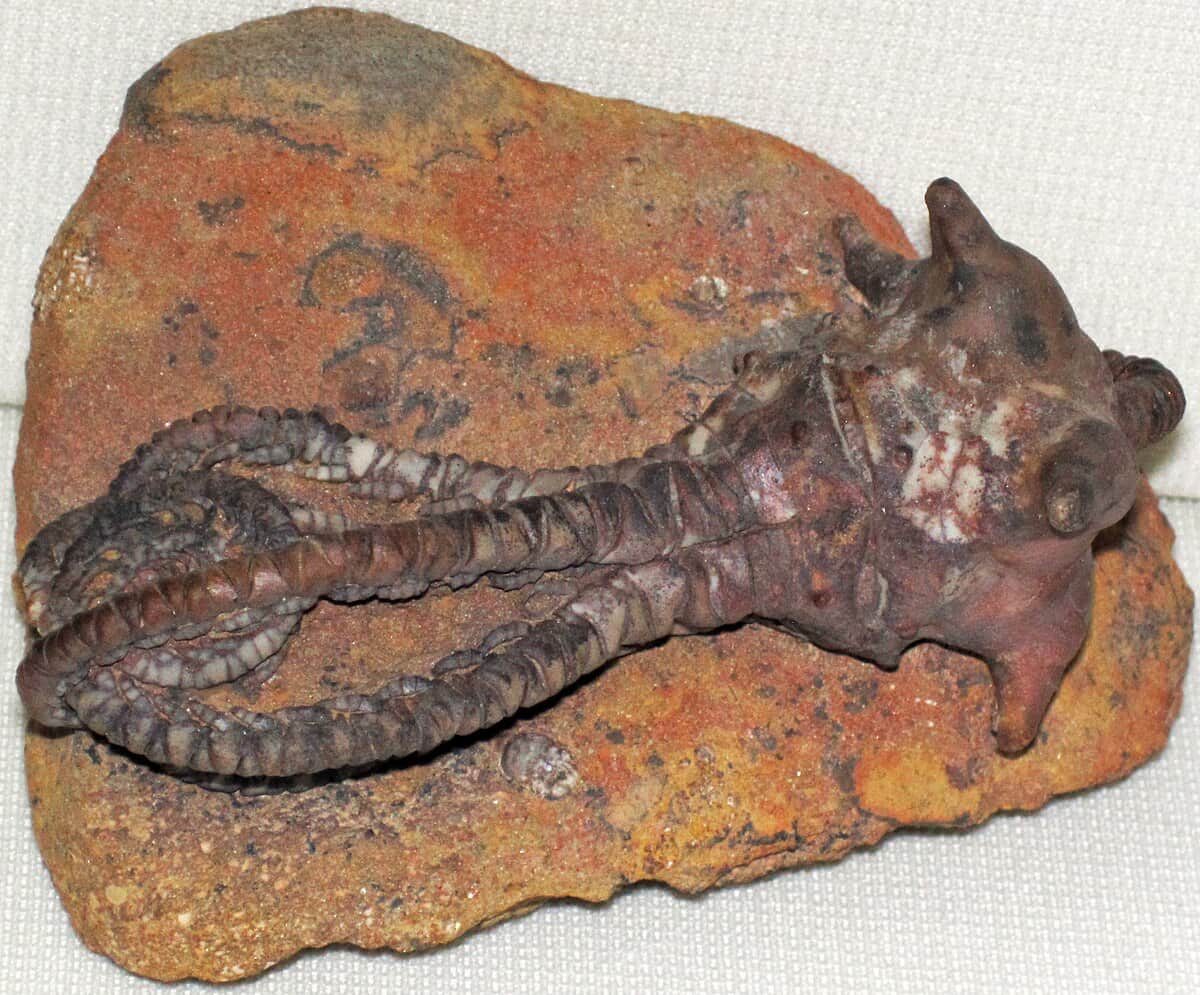
Jimbacrinus crinoids, along with countless other organisms, perished in this mass extinction. Yet their fossils stand as a poignant record of ecological richness before the collapse, capturing a moment in geological time when life flourished against a backdrop of impending catastrophe.
Reconstructing a Lost Ecosystem
Studying Jimbacrinus fossils offers more than anatomical data—it provides a window into the broader dynamics of late Permian ecosystems. Through isotopic analysis and sediment studies, scientists have inferred water temperatures, oxygen levels, and nutrient cycles that shaped these ancient seas.
The environment that supported Jimbacrinus was one of balance and complexity. Communities included bryozoans, brachiopods, gastropods, and trilobites—an array of invertebrate life adapted to various ecological niches. As ocean chemistry shifted during the lead-up to the extinction, signs of environmental stress began to appear: declining species diversity, thinner shell structures, and reductions in calcium carbonate availability due to acidification.
Jimbacrinus fossils, therefore, act as sensitive indicators of these changes, illuminating how even robust marine systems can unravel under sustained climate pressure.
Lessons from the Fossil Record
The story of Jimbacrinus is ultimately one of resilience and fragility—themes that resonate deeply in the modern era. By comparing conditions during the Permian extinction with those of today, scientists draw vital parallels about the impact of rapid climate change on biodiversity.
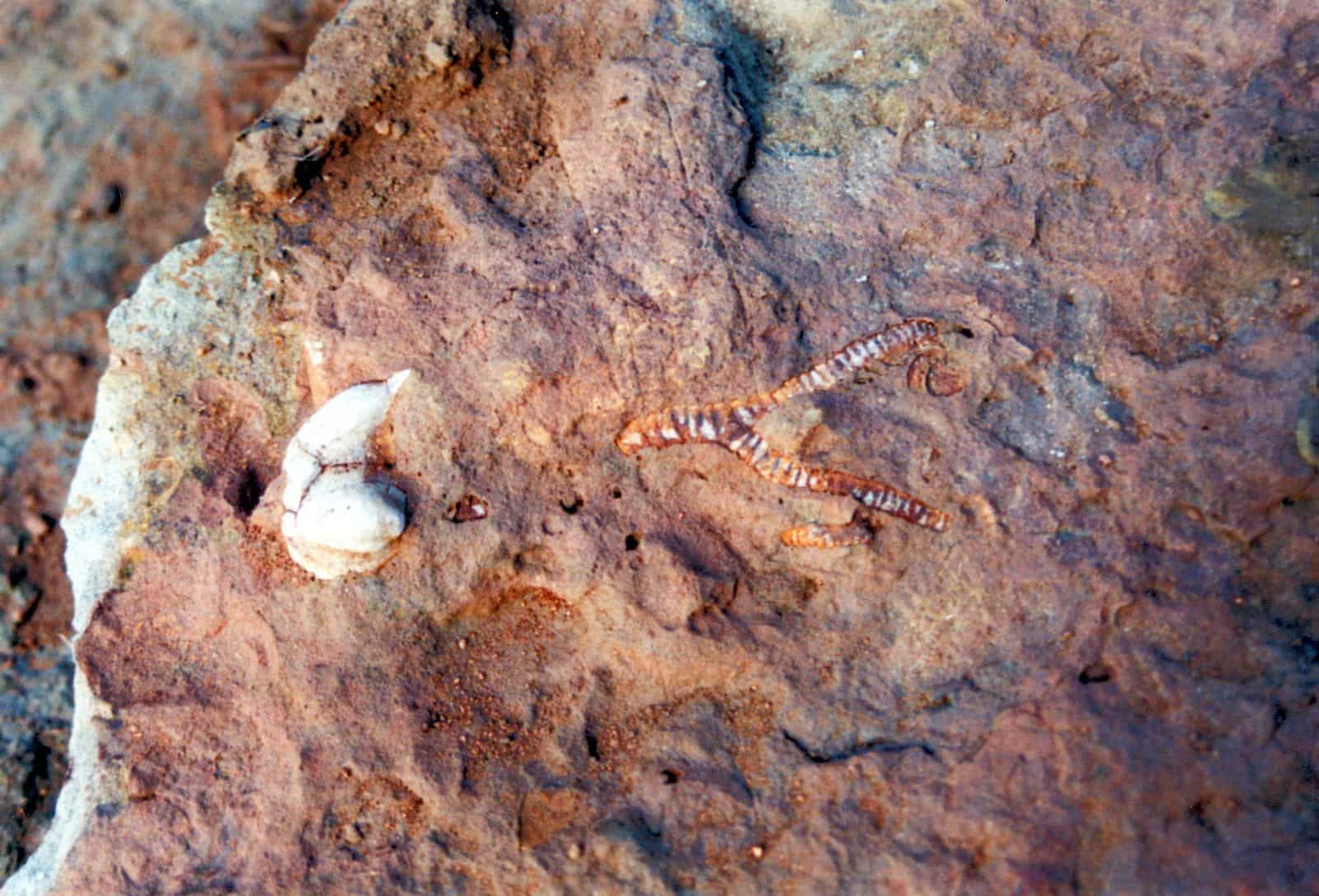
Modern crinoids still inhabit Earth’s oceans, though in far fewer numbers and mostly in deeper environments. Their survival through multiple mass extinctions underscores the persistence of life, even through the most severe crises. At the same time, the fate of their ancient relatives like Jimbacrinus serves as a sobering reminder of how swiftly ecological equilibrium can be lost.
The fossil record, therefore, is not merely a chronicle of the past. It is a guide to understanding our planet’s future. Studying ancient organisms helps humanity grasp the limits of adaptation and the long-term consequences of environmental disruption.
Jimbacrinus in Science and Imagination
Beyond their scientific value, fossils like Jimbacrinus spark fascination and imagination. Their intricate symmetry and elegant design evoke a quiet beauty, fossilized in stone but still alive in scientific inquiry. Museums and collectors prize these specimens not only for their rarity but also for their aesthetic perfection.
In educational contexts, Jimbacrinus fossils help illustrate evolutionary concepts, geological timescales, and the processes of fossilization. They serve as tactile connections between human curiosity and the deep history of life on Earth. Bridging the gap between science, art, and natural wonder.
Connecting with Earth’s Deep Past
The Jimbacrinus crinoids of Western Australia offer more than a glimpse of life before the Permian extinction. They represent a link across deep time, connecting present-day observers to an ancient ocean world. Each fossil is a testimony to nature’s intricate design and the forces that have shaped our planet across eons.
Through the study of these delicate sea lilies, paleontologists continue to unlock stories of evolution, adaptation, and extinction. Their silent stone forms remind us of a fundamental truth: that life, no matter how fragile, leaves behind enduring traces. A record written in rock, waiting to be read by future generations.
ALSO READ: Walking Whales of Egypt: Fossils That Rewrote Marine Evolution