Pompeii Necropolis Discovery: Unveiling Ancient Italy’s Burial Secrets
Recent excavations at Pompeii have unearthed a remarkable necropolis, offering a rare glimpse into the pre-Roman world. The site, featuring 35 carefully arranged pit burials, is shedding new light on funeral customs, trade networks, and daily life in ancient Italy between the 3rd and 1st centuries BC. This discovery is not only enriching our understanding of Pompeii’s early history but also revealing the complex cultural and economic exchanges that shaped the region long before the eruption of Mount Vesuvius.
The Necropolis: A Window into Pre-Roman Burial Practices
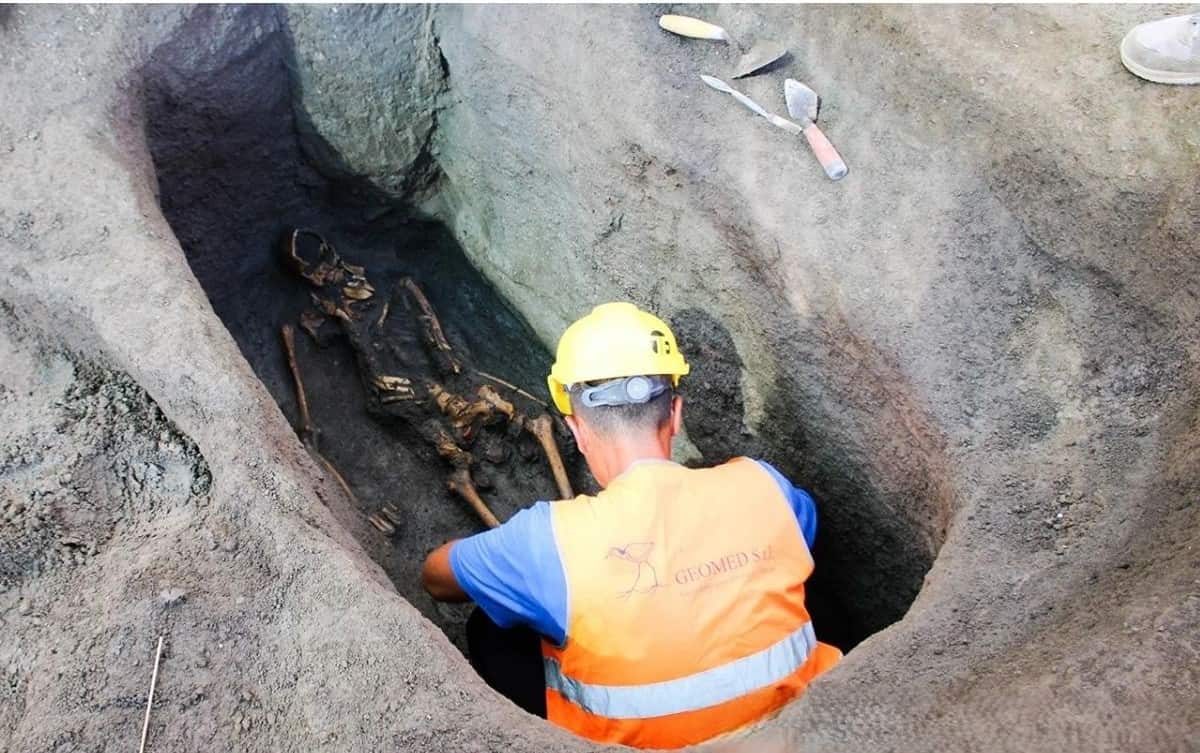
The newly discovered necropolis is located just outside the ancient city walls of Pompeii, a placement typical of Roman and pre-Roman burial traditions. The 35 pit burials are arranged in a deliberate pattern, suggesting a well-organized funerary landscape. Each burial contains skeletal remains that have been exceptionally well-preserved, allowing archaeologists to study the health, diet, and even possible causes of death among the population.
Burial Artifacts and Rituals
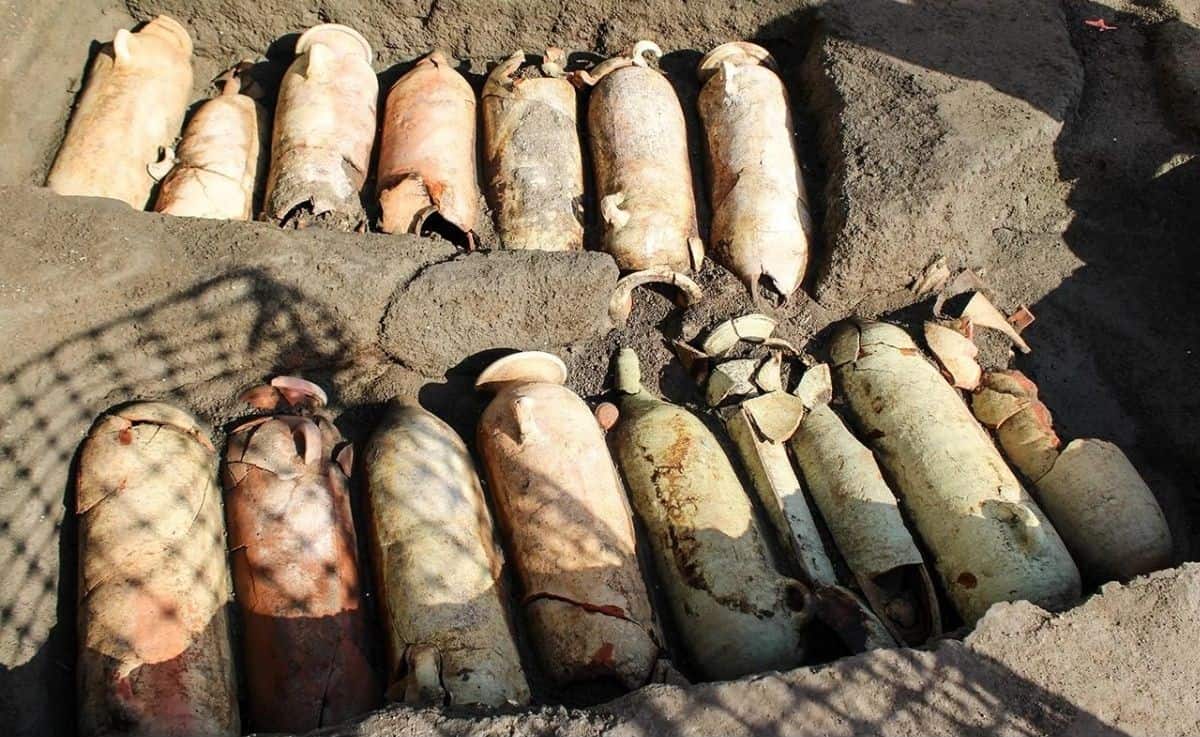
Among the most striking finds are the amphorae placed alongside the deceased. These large ceramic vessels, often used for storing wine, oil, or grain, were likely included as grave goods to accompany the dead in the afterlife. The presence of amphorae also points to the importance of trade in ancient Pompeii. Some of the amphorae bear distinctive markings and styles that suggest origins in North Africa, indicating that Pompeii was part of a broader Mediterranean trade network even before its incorporation into the Roman Republic.
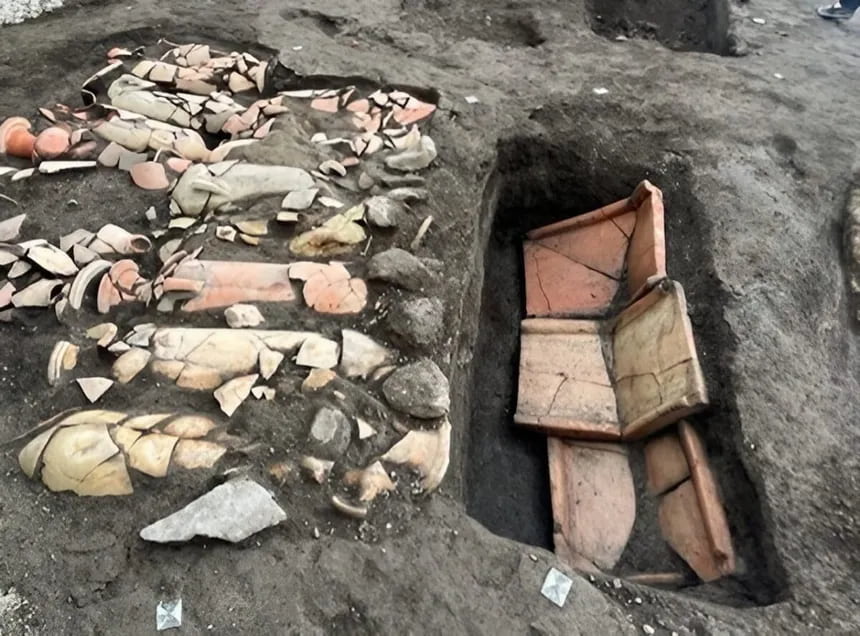
Other artifacts found in the necropolis include personal ornaments, pottery, and small tools. These items provide insight into the daily lives and social status of those buried here. The careful arrangement of the burials and the inclusion of grave goods suggest that funeral rituals were highly significant, reflecting both religious beliefs and social hierarchies.
Amphorae and Ancient Trade Routes
The discovery of North African amphorae at the Pompeii necropolis is particularly significant. These vessels were not only used for storage but also as markers of trade and cultural exchange. The presence of North African amphorae in Pompeii suggests that the city was engaged in long-distance trade, importing goods such as wine, olive oil, and grain from regions as far away as modern-day Tunisia and Libya.
Evidence of Mediterranean Trade Networks
Archaeologists have identified several types of amphorae, each with distinct shapes and manufacturing techniques. By analyzing these vessels, researchers can trace the movement of goods across the Mediterranean. The North African amphorae found at Pompeii are similar to those discovered at other sites in southern Italy, confirming the existence of a robust trade network that connected the Italian peninsula with North Africa and the eastern Mediterranean.
This trade network was not limited to luxury goods. The amphorae also contained staples such as grain and olive oil, which were essential for sustaining the population of Pompeii. The discovery of these vessels in a burial context suggests that trade was not only an economic activity but also a cultural one, with imported goods playing a role in funeral rituals and social status
The Canal: A Snapshot of Ancient Life
In addition to the necropolis, excavations have revealed a nearby canal that has yielded a wealth of artifacts. This canal, likely used for irrigation and transportation, provides a vivid picture of life in ancient Pompeii. Among the finds are fragments of pottery, tools, and even remnants of food, offering insights into the daily activities of the city’s inhabitants.
Artifacts from the Canal
The artifacts recovered from the canal include cooking pots, storage jars, and agricultural tools. These items suggest that the canal was a hub of economic activity, supporting both agriculture and domestic life. The presence of food remains, such as seeds and animal bones, indicates that the canal was used for both irrigation and the disposal of household waste.
Other finds include personal items such as jewelry and coins, which provide clues about the social and economic status of those who lived near the canal. The variety of artifacts suggests that the canal was a focal point for the community, serving as a place for work, trade, and social interaction.
Implications for Pompeii’s Early History
The discovery of the necropolis and the canal is transforming our understanding of Pompeii’s early history. While the city is best known for its destruction by Mount Vesuvius in 79 AD, these new findings reveal a much older and more complex past. The necropolis, with its carefully arranged burials and imported amphorae. Suggests that Pompeii was a thriving center of trade and culture long before the Roman period.
Pre-Roman Pompeii: A Cosmopolitan City
The evidence from the necropolis and canal indicates that Pompeii was a cosmopolitan city. Connected to a wide network of trade routes and cultural influences. The presence of North African amphorae and other imported goods suggests that the city was not isolated. But rather an active participant in the Mediterranean world.
This cosmopolitan character is also reflected in the burial practices and artifacts found at the necropolis. The inclusion of grave goods from distant regions. Suggests that the people of Pompeii valued both local traditions and foreign influences. The careful arrangement of the burials and the use of imported amphorae. Indicate that funeral rituals were not only religious but also social, serving to reinforce community ties and status.
The Future of Pompeii Archaeology
The discovery of the necropolis and canal is just the beginning of a new chapter in Pompeii archaeology. Ongoing excavations are expected to reveal even more about the city’s early history. And its connections to the wider Mediterranean world. As archaeologists continue to study the skeletal remains, artifacts, and trade networks. They will gain a deeper understanding of the lives and customs of those who lived in Pompeii before the Roman period.
Preserving Pompeii’s Heritage
The preservation of these sites is crucial for future research and public education. The necropolis and canal offer a unique opportunity to explore the pre-Roman world. And to understand the complex cultural and economic exchanges that shaped ancient Italy. By protecting and studying these sites. Archaeologists can ensure that the story of Pompeii’s early history is not lost to time.
Conclusion: A New Chapter in Pompeii’s Story
The latest findings at Pompeii are rewriting the narrative of the city’s past. The discovery of the necropolis, with its 35 pit burials and North African amphorae, and the canal. Wth its wealth of artifacts, is providing unprecedented insights into the funeral customs, trade networks, and daily life of ancient Italy. These discoveries are not only enriching our understanding of Pompeii. But also highlighting the city’s role as a vibrant center of culture and commerce in the pre-Roman world.
As archaeologists continue to uncover the secrets of Pompeii, the story of this ancient city will continue to evolve. Offering new perspectives on the lives and legacies of those who lived there long before the eruption of Mount Vesuvius.
ALSO READ: Butler Wash Petroglyph Panel: Ancient Stories in Stone