Priest’s Tomb Discovery Near the Great Pyramid of Giza: A Journey Into Ancient Egypt’s Sacred Past
Unearthing a Hidden Chamber Beneath the Sands of Giza
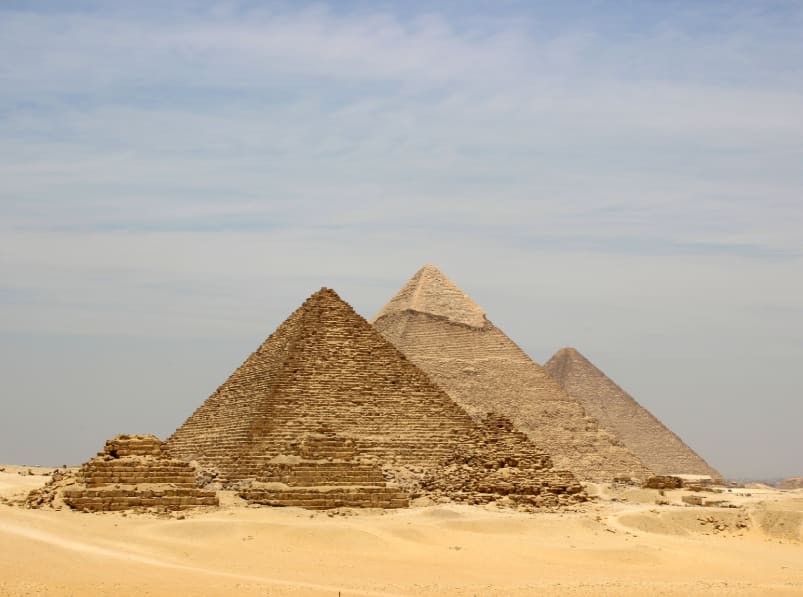
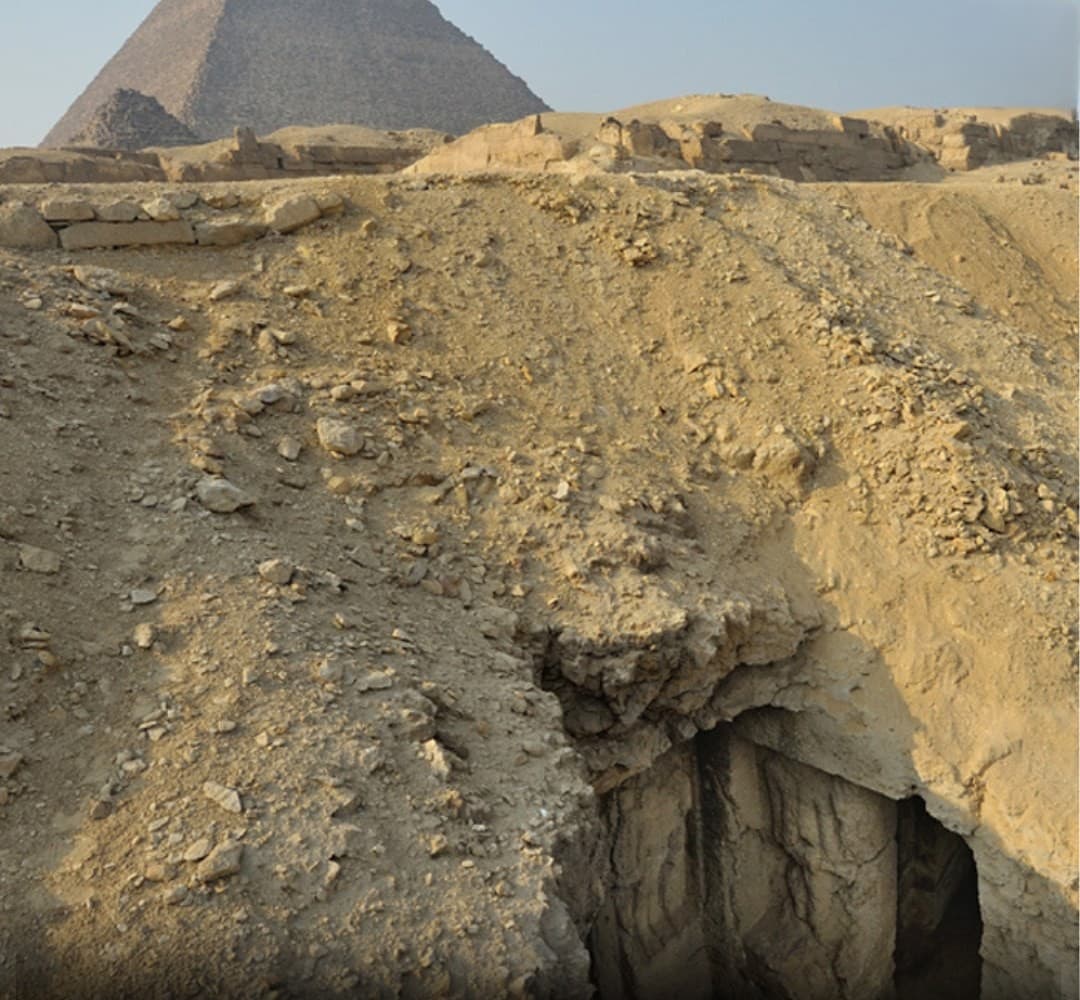
Amid the shimmering desert sands that surround the Great Pyramid of Giza, archaeologists have uncovered a remarkable tomb believed to date back to around 2500 BC. Tucked near the shadow of one of humanity’s greatest architectural feats, this discovery offers a vivid window into a world where life and death were bound by faith, ritual, and cosmic belief.
The burial site, thought to belong to a high-ranking priest, was concealed beneath layers of stone and sand for over four millennia. Upon entering the shaft that led downward, researchers found themselves in a series of chambers carved with quiet precision — remnants of Egypt’s reverent approach to death and the afterlife. The structure itself, though timeworn, preserved a sense of ceremony: niches for offerings, alcoves for ritual objects, and spaces that once sustained the memory of a man devoted to divine service.
The Tomb’s Architecture: A Microcosm of Spiritual Order
Egyptian tombs were designed not merely as resting places but as carefully arranged spiritual machines. The layout of this tomb mirrors the hierarchy and symbolism central to Egypt’s religious worldview. Walls of limestone bear traces of intricate carvings, perhaps depicting scenes from temple rituals or invocations to deities such as Osiris and Ra.
Archaeologists have identified offering tables, pottery vessels, and fragments of tools — all aligned according to ritual order. Such objects were not random inclusions but purposeful components in the journey toward eternal life. From vessels for sacred oils to figurines serving as substitutes for the deceased in the afterlife’s labor, each item reveals how profoundly religion guided Egyptian life and death alike.
A Priest’s Role in the Heart of Ancient Egypt
Priests in ancient Egypt occupied one of the most esteemed positions in society, acting as mediators between mortals and the divine. This tomb reinforces what historians have long suspected: that priests were pillars of both spiritual authority and administrative governance.
Serving within temple precincts near the pyramids, these men ensured that daily offerings to the gods were performed without fail. They oversaw purification rites, managed temple lands, and interpreted celestial signs believed to guide pharaohs and people alike. Their tombs—lavishly prepared and aligned with astronomical precision—testify to their social importance and to the deep entanglement of theology and governance in Egyptian civilization.
Objects of Ritual and Remembrance
Every artifact recovered within the site tells a story. Clay jars and alabaster vessels likely contained offerings such as oils, grains, or honey, while stone bowls and copper tools hint at both daily sustenance and sacred service. In one chamber, fragments of painted pottery bear inscriptions identifying ritual hymns or offering formulas—a linguistic bridge between earthly devotion and divine eternity.
Small figurines, sometimes called shabtis, may have been included to serve the priest in the next life. These figurines embody one of Egypt’s central religious beliefs: that service to the gods continued even beyond death. Researchers have also found beads from ceremonial necklaces and seals possibly marking the priest’s official role within a temple dedicated to Ra or Hathor. Each item enriches our understanding of how the Egyptians merged the mundane with the mystical.
The Living Faith of an Eternal Civilization
To view this tomb is to witness a civilization’s heartbeat frozen in time. The Egyptians believed that death was not an end but a transition — a return to the cosmic balance maintained through ritual and faith. The priest enshrined here would have spent his life ensuring that divine order (ma’at) was preserved, and his burial reflects that same devotion.
Paint traces still visible on limestone walls suggest depictions of daily offerings, solar symbols, and perhaps hieroglyphic prayers. Researchers using digital mapping and light scanning have begun recreating these faded murals, revealing scenes of the afterlife that parallel texts from the Pyramid and Coffin literature. Such visual narratives made the tomb both a sanctuary and a map for the soul’s voyage beyond.
Rituals of Eternity: Symbolism and Belief
Central to ancient Egyptian burial practice was the principle of continuity — that the soul required sustenance and divine recognition even after death. This belief system framed the elaborate rituals seen in this Giza tomb. The embalming process, the arrangement of sacred items, and the inscriptions of protective spells were all designed to ensure safe passage into eternity.
The shaft leading into the tomb may symbolize descent into the netherworld, while the chambers below mirror the layered structure of the cosmos. The architecture thus becomes a theological statement: a constructed universe in miniature, guiding the spirit from earthly life to divine rebirth.
Such discoveries remind us that Egyptian spirituality was not abstract mysticism but a living philosophy, where cosmic balance and earthly order interwove into a single worldview.
A Discovery Rooted in Modern Science
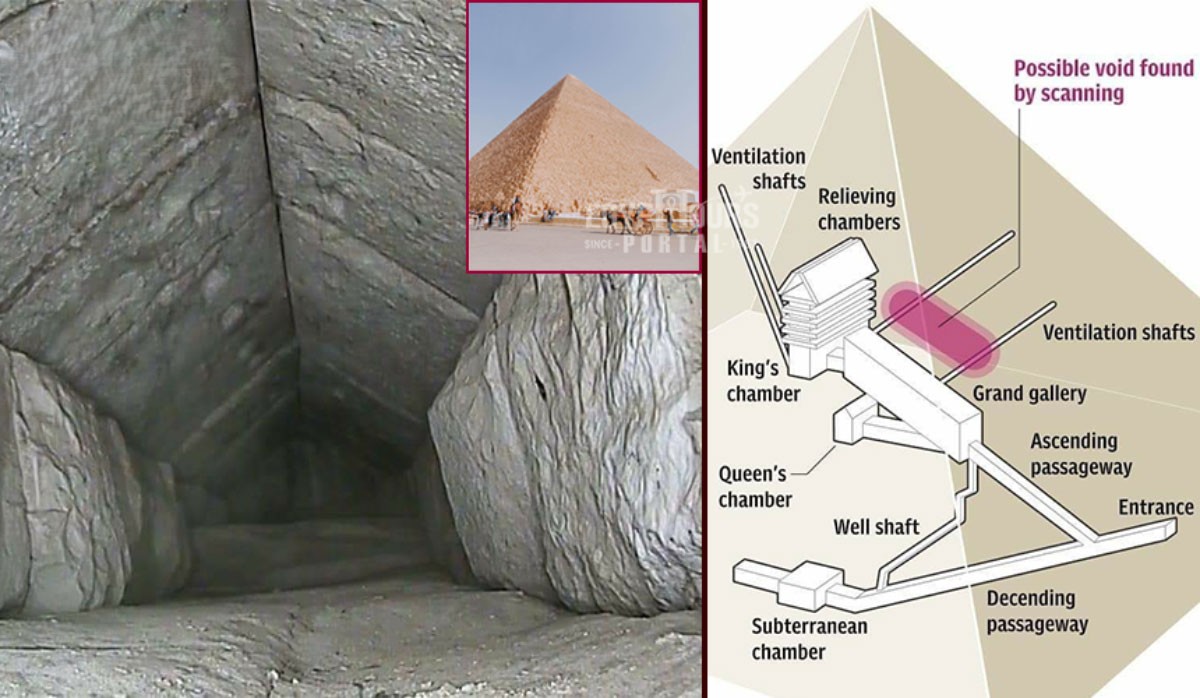
The excavation, conducted by an Egyptian-led archaeological team with advanced imaging technologies, highlights the intersection of tradition and science. Researchers used ground-penetrating radar, 3D modeling, and micro-excavation techniques to preserve fragile materials inside the tomb. Organic remains, including traces of linen wrappings and seeds from ritual offerings. Are currently undergoing laboratory analysis to determine their exact ages and origins.
Every detail gleaned from these tests adds new dimensions to what is already a monumental discovery. Organic residue analysis could. For example, reveal whether the oils and resins used in burial rites were imported from other regions. Shedding light on the extensive trade networks that supported temple economies.
Under the Shadow of the Great Pyramid
The tomb’s proximity to the Great Pyramid of Giza is itself a revelation. It suggests that this priest was closely linked to the elite circle serving the pharaoh. Possibly one of the high priests overseeing royal rituals. The Great Pyramid and its surrounding necropolis functioned not just as royal funerary complexes but as vibrant religious centers. Sustained by priests who maintained the cosmic order on which pharaonic authority depended.
To stand within this newfound tomb, experts remark, is to feel an echo of the same devotion and precision that built the pyramids themselves.
What This Discovery Means for Egyptian Archaeology
Each new find at Giza deepens our understanding of Egypt’s spiritual and cultural fabric. While pyramids stand as symbols of dynastic power. Tombs like this priest’s reveal the human institutions that made such grandeur possible. They illustrate a chain of belief linking rulers, temples, and the divine, sustained across centuries of civilization.
This discovery underscores an essential truth: that ancient Egypt’s greatness stemmed not only from monumental architecture. But also from a worldview that harmonized religion, science, and art in pursuit of immortality.
Listening to the Past
As archaeologists continue to catalog, study, and conserve the tomb’s contents, the world awaits further revelations. These discoveries invite us to reflect on our own relationship with history. How the lives of ancient individuals, when unearthed, continue to inform the present.
Beneath the ceaseless winds of Giza, this priest’s resting place speaks softly but clearly. That civilizations endure not merely in stone, but in the beliefs, artistry, and rituals they leave behind.
ALSO READ: Monte d’Accoddi: Sardinia’s Monumental Neolithic Altar