Monte d’Accoddi: Sardinia’s Monumental Neolithic Altar
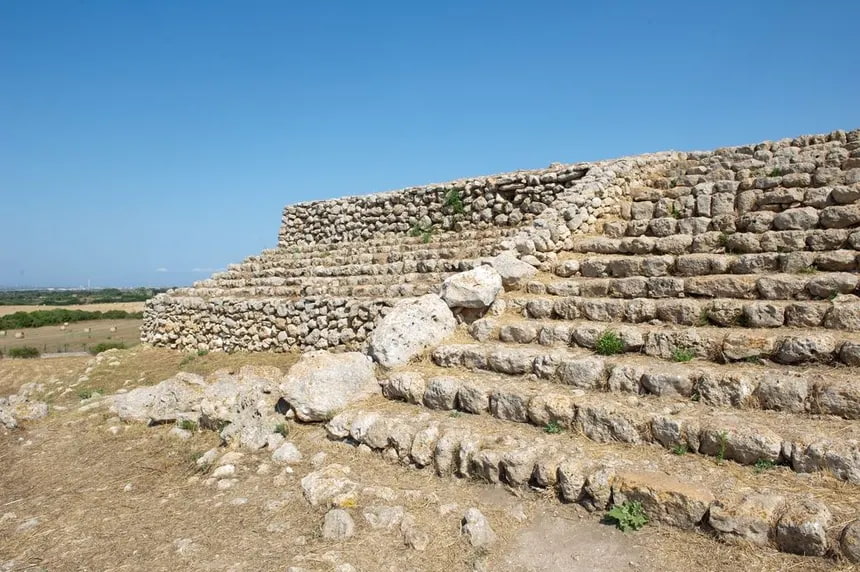
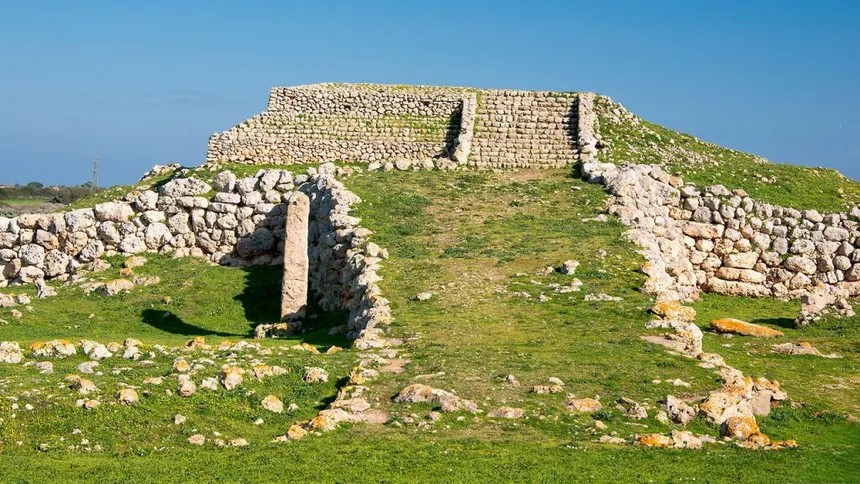
Monte d’Accoddi is a prehistoric archaeological site revered for its grand megalithic architecture and enigmatic purpose. Located near Sassari in Sardinia’s northwest, it stands as a raised stone platform with a ramp—a structure that some scholars compare to ancient Mesopotamian ziggurats due to its stepped design and presumed ceremonial use.
While Sardinia is famed for its Bronze Age Nuraghic towers, Monte d’Accoddi represents a much older chapter of human innovation, with roots in the Neolithic period over 6,000 years ago.
Location and Landscape
Situated amidst fields a short drive from Porto Torres, Monte d’Accoddi occupies a subtle promontory that, in antiquity, may have been a central landmark for nearby settlements. The modern site is accessible to visitors and forms part of several archaeological tours, revealing the surrounding ancient ruins, dolmens, menhirs, and Neolithic dwellings.
Chronology and Construction Phases
Monte d’Accoddi’s origins are tied to the Ozieri culture, an influential Neolithic civilization on Sardinia. Radiocarbon dating places the first phase of construction between 4,000 and 3,650 BCE, making it contemporaneous with early Mediterranean temples and far older than the famous Nuraghes.
Archaeological research indicates at least two main construction phases:
-
The first monument, built by the Ozieri or a pre-Ozieri culture, was a large dry-laid limestone structure known as the “red temple.”
-
Later, during the Copper Age (Eneolithic, ca. 2700 BCE), it was expanded with the “stepped temple,” showcasing new architectural styles and ritual adaptations.
Monte d’Accoddi remained a sacred center well into the Early Bronze Age, with evidence of continued use by successive Sardinian cultures, including the Filigosa, Abealzu, and even traces from the Bonnanaro period around 1,600 BCE.
Architecture and Design
The most striking feature is the massive stepped platform:
-
The base plinth measures approximately 27 x 27 meters (88 x 88 feet), rising about 5.5 meters (18 feet) high.
-
A long ramp permitted processional access to the summit.
-
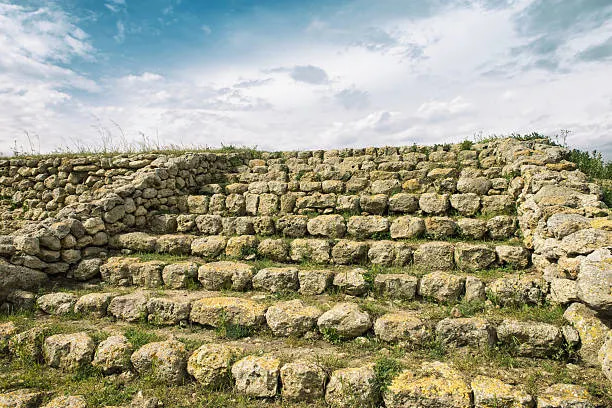
Dry-stone construction techniques, using large limestone blocks, ensured the monument’s durability.
Around the altar, archaeologists have identified additional ritual features:
-
Two enormous standing stones east of the altar, believed to hold sacred or astronomical significance.
-
Remains of ritual huts, menhirs, and dolmens dispersed around the platform.
Restoration in the late 20th century has stabilized the structure, though debates persist about precise reconstruction details and phases of use.
Cultural and Religious Significance
Although shrouded in mystery, Monte d’Accoddi’s purpose is widely regarded as ritualistic and communal:
-
It likely functioned as a sacred center for the Ozieri and later cultures, hosting ceremonies, offerings, and possibly astronomical observations.
-
The altar’s design suggests parallels with the ziggurats of ancient Mesopotamia, indicating a prototype of stepped or terraced sanctuaries in Western Europe.
-
The presence of standing stones might have marked celestial events or boundaries for ritual gatherings, enhancing the altar’s symbolic gravity for prehistoric Sardinians.
Some researchers believe Monte d’Accoddi served as both a religious platform and a territorial emblem, reinforcing communal identity during the Neolithic.
Monte d’Accoddi and Prehistoric Innovation
The site’s construction predates pyramids and ziggurats found elsewhere in the Mediterranean basin:
-
It showcases early architectural ingenuity, including mastery of megalithic building techniques and spatial organization for ceremonial purposes.
-
Monte d’Accoddi’s design influenced subsequent sacred architecture across Sardinia, with elements repeated in later temples and sanctuaries.
-
Ongoing studies highlight Sardinia’s role as a dynamic crossroads in prehistoric Europe, with Monte d’Accoddi as a testament to the region’s creativity and cultural exchange.
Archaeological Discoveries and Research
Excavations have revealed fascinating insights:
-
Traces of animal sacrifices, pottery, and ritual objects around the altar suggest complex ceremonial activity.
-
The site’s layered building phases allow archaeologists to reconstruct social changes across thousands of years, from Neolithic egalitarianism to emerging Bronze Age chiefdoms.
-
Comparisons with other prehistoric sites indicate that Monte d’Accoddi’s architecture may have inspired distant cultures, fueling speculation about forgotten networks of exchange in prehistoric times.
Visiting Monte d’Accoddi Today
Today, Monte d’Accoddi is open to visitors and forms part of Sardinia’s rich archaeological tourism circuit. The partially reconstructed monument and adjacent standing stones offer a vivid connection to prehistory. Allowing guests to walk the ceremonial ramp and contemplate the spiritual world of Neolithic Sardinia.
Guided experiences often include stops at nearby sites, exploring the depth and variety of prehistoric culture in the region.
Conclusion: A Legacy of Mystery and Innovation
Monte d’Accoddi remains one of Europe’s most unique Neolithic monuments, blending massive architecture with enigmatic ritual purposes. Its enduring legacy continues to shape archaeological scholarship while offering a dramatically evocative window into the ancient world.
ALSO READ: The Oseberg Wagon: A Masterpiece of Viking Age Art and Craftsmanship