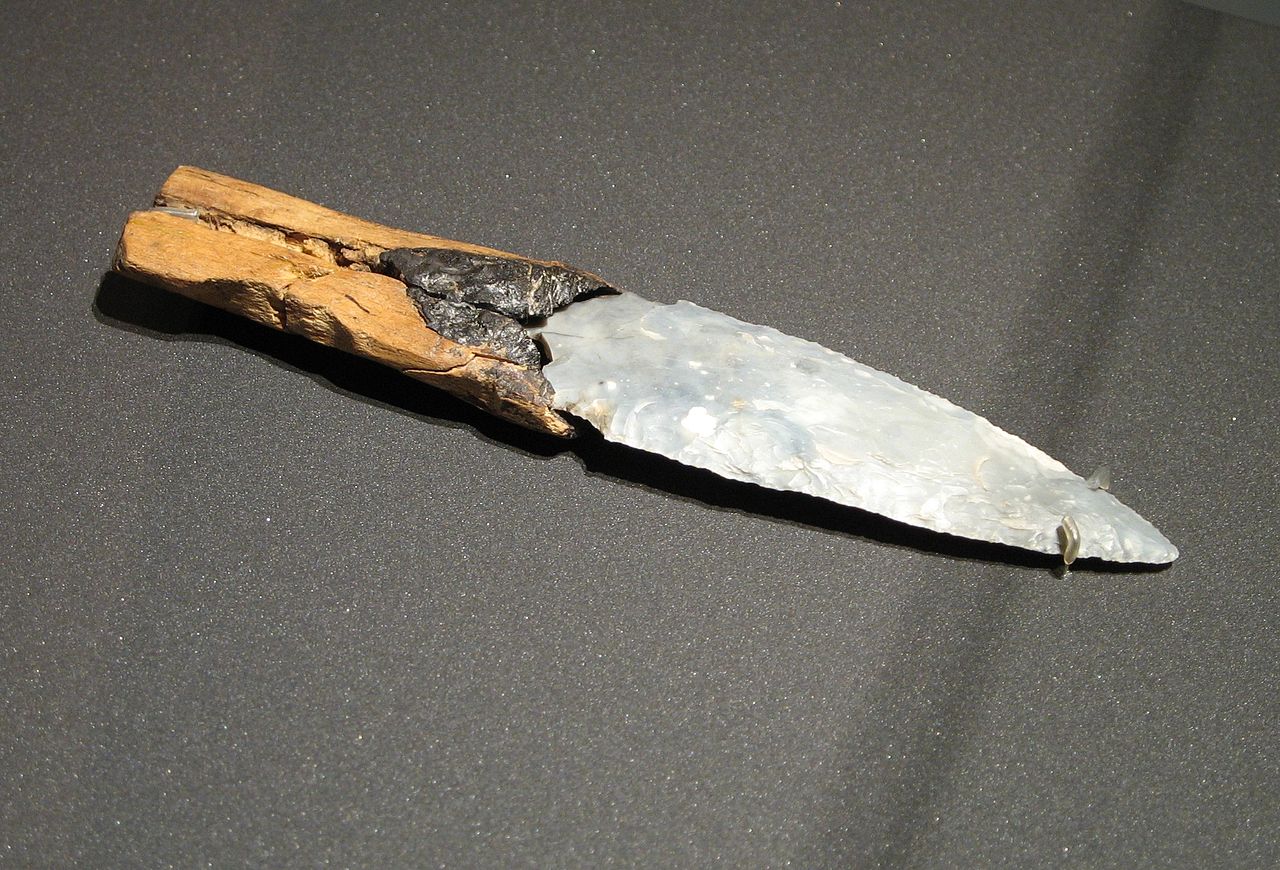
Late Neolithic Flint Dagger Found in Allensbach, Lake Constance: A Remarkable Archaeological Treasure
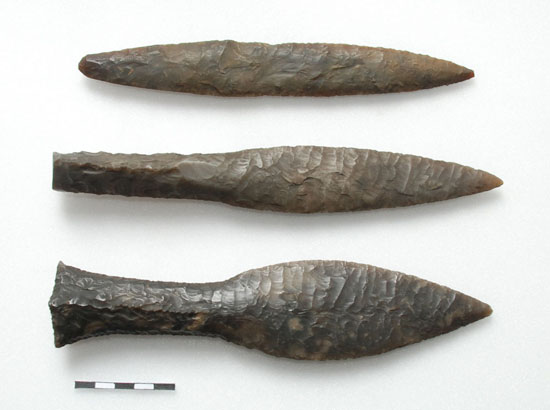
Late Neolithic Flint Dagger of Allensbach
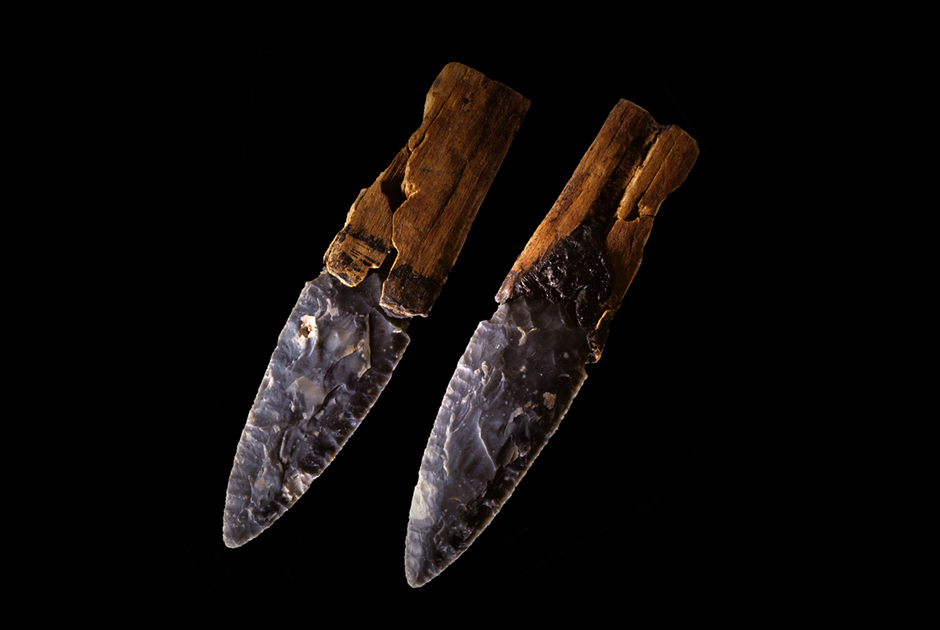
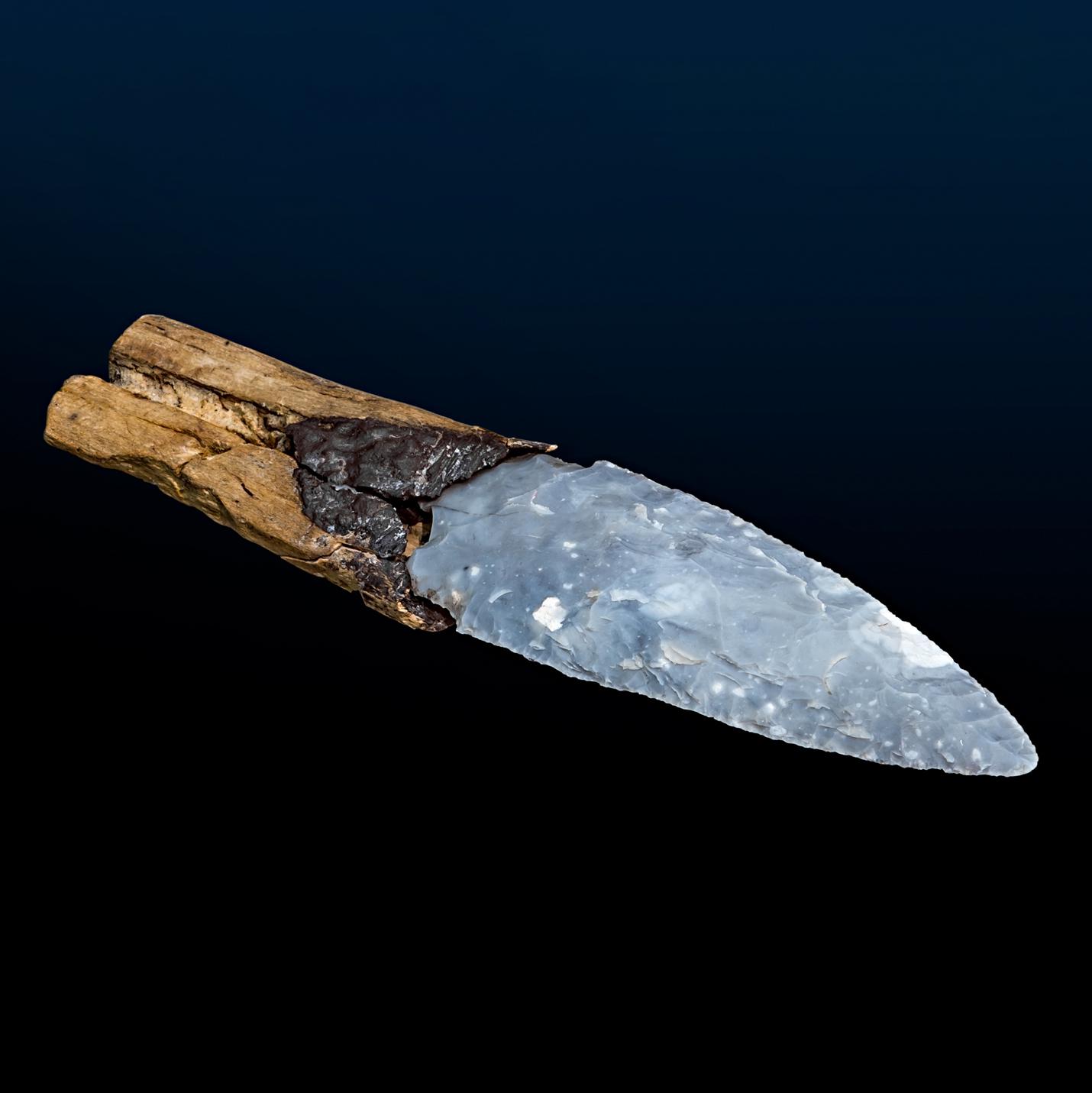
A fascinating relic from the Late Neolithic period, this flint dagger was unearthed in Allensbach, a town situated on the shores of Lake Constance in southwest Germany. Dating back to approximately 2900-2800 BCE, this dagger offers a window into the craftsmanship and cultural practices of prehistoric Europe during the late stages of the Stone Age. The dagger’s blade was expertly made from flint sourced the Monte Baldo region in northern Italy, indicating extensive trade networks across the Alps during this time. The dagger was fastened to a handle made of elderwood using birch tar, a natural adhesive, showcasing sophisticated tool-making techniques of the era.
Origins and Archaeological Context
The Allensbach site has been known since the 19th century and has been archaeologically studied extensively since the 1980s. Situated by Lake Constance, the site belonged to the Neolithic communities associated with the Horgen Culture, which thrived between the middle and late Neolithic period. Finds such as this flint dagger highlight the craftsmanship and social structures of these early agricultural societies. The dagger, now housed at the Archäologische Landesmuseum Baden-Württemberg, represents one of the more exceptional finds due to its preservation and the quality of its materials.
Craftsmanship and Materials: Flint from Monte Baldo
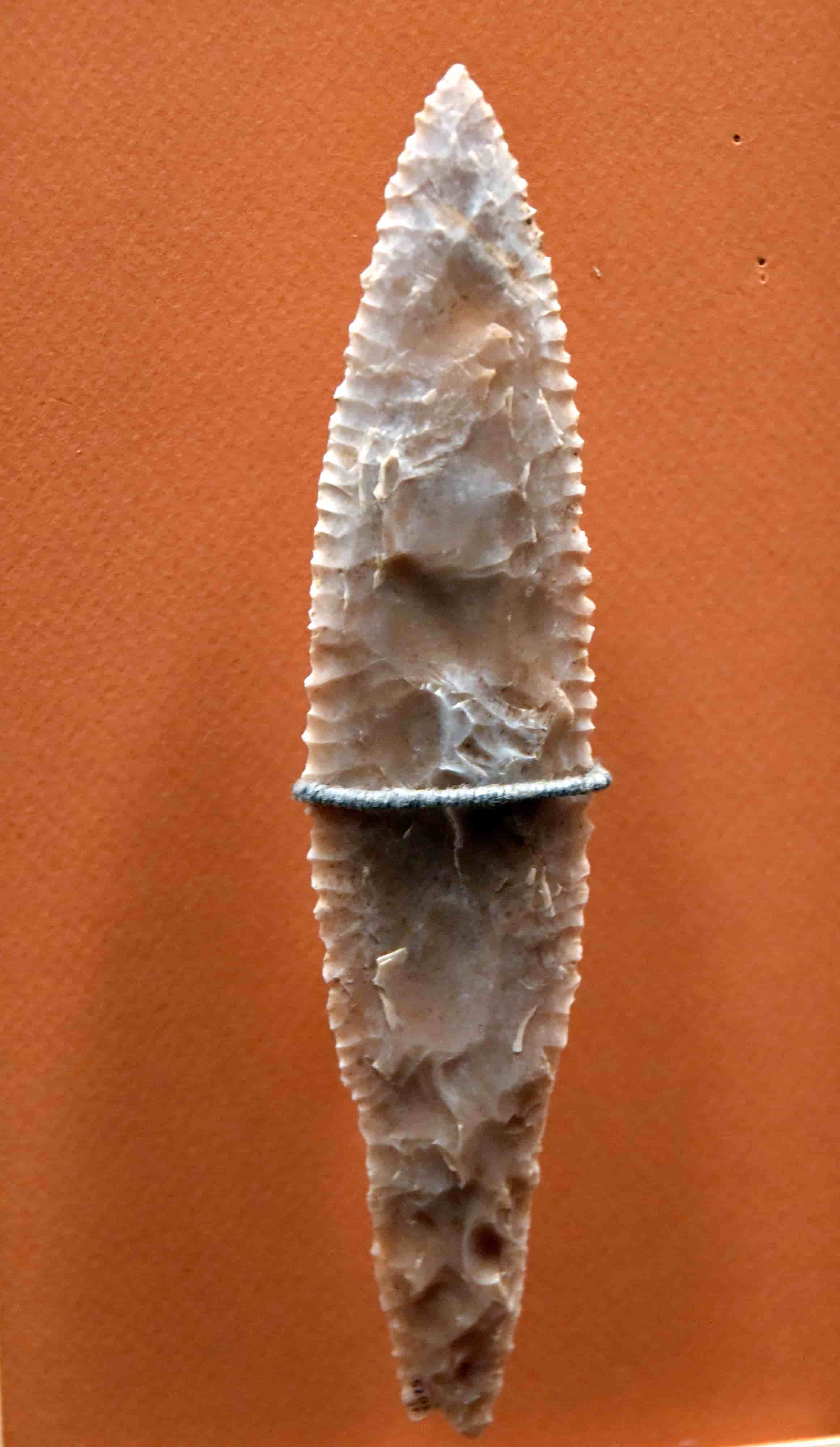
Craftspeople crafted the dagger blade from high-quality flint quarried in Monte Baldo, northern Italy, more than 400 kilometers away from the find site. This long-distance sourcing reveals that Neolithic communities had already established trade routes, enabling the movement of prized raw materials despite geographical barriers like mountain ranges. People valued flint for its ability to be knapped into sharp edges, making it an ideal material for cutting tools and weapons.
Creating this dagger required highly skilled flint knappers, who shaped a core and carefully removed flakes through pressure flaking to form a sharp and symmetrical blade.
The final product combines both utility and an aesthetic finesse. Reflecting the deep understanding these prehistoric craftsmen had of flint’s properties and working techniques.
The Handle and Fastening: Birch Tar and Elderwood
Craftspeople fixed the flint blade to an elderwood handle using birch tar as a natural adhesive. They produced birch tar by heating birch bark in oxygen-poor conditions.
Resulting in a strong, waterproof glue that was essential for fastening tools and weapons. Elderwood, being durable and workable, served as an ideal handle material.
This combination of materials not only ensured functionality but also durability. Making the dagger effective for various tasks from everyday cutting to potential ceremonial use.
Cultural and Social Significance
In the Late Neolithic, flint daggers like this one were more than mere tools. They were symbols of power, status, and identity. Given the rarity and effort needed to acquire quality flint from distant regions. Such daggers likely belonged to individuals of higher social standing or specialized craftsmen.
The presence of this dagger in Allensbach suggests social stratification and complex trade networks within Neolithic Europe. The dagger could have served as a prestigious item in the community. Signaling craftsmanship and connection to distant regions through trade.
Insights into Neolithic Life at Lake Constance
Alongside the flint dagger, the Allensbach site has revealed many other significant Neolithic artifacts. Including wooden utensils, textiles, and jewelry made from shells and stones. These finds together portray a community engaged in sophisticated daily activities and elaborate cultural practices.
The dagger provides unique insights into technology, economy, and social hierarchy in this region 5,000 years ago. Demonstrating how prehistoric people innovated in tool-making and maintained long-distance contacts.
Conclusion: Legacy of the Allensbach Flint Dagger
The late Neolithic flint dagger from Allensbach near Lake Constance is a remarkable testimony to ancient craftsmanship, trade, and cultural expression. Its preservation allows researchers and enthusiasts to appreciate the technological sophistication of early European societies. And reflect on the cultural interconnectedness of prehistoric communities.
Today, it remains a vital artifact for understanding the late Neolithic era’s technological advancements and social dynamics. Housed safely in the Archäologische Landesmuseum Baden-Württemberg.
ALSO READ: Ceramic Dancing Figures from China (206 BCE-220 CE) at the Minneapolis Institute of Art