The Sun-Headed Deity of Tamgaly: Ancient Solar Worship in Kazakhstan’s Bronze Age Petroglyphs
The Sun-Headed Deity of Tamgaly
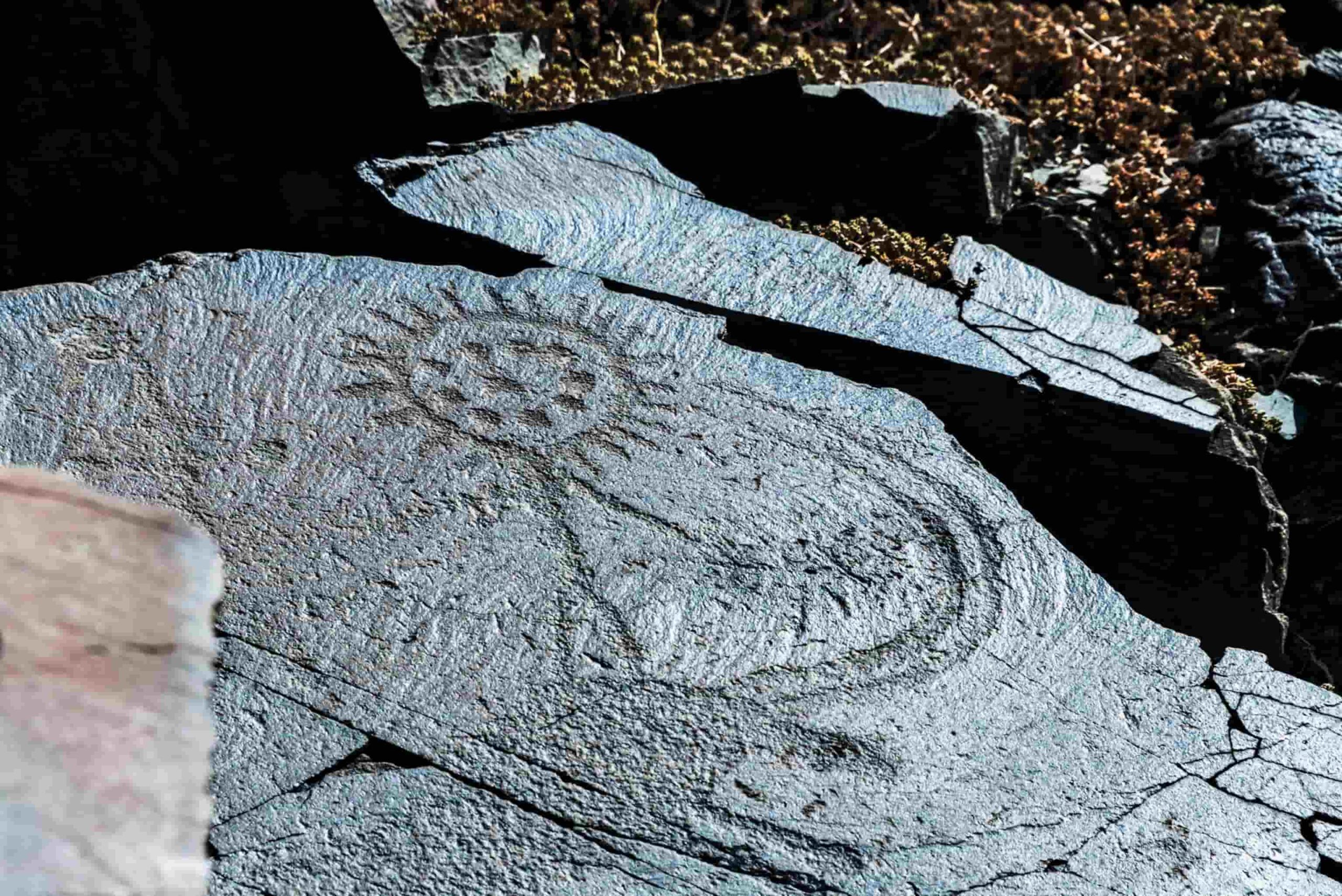
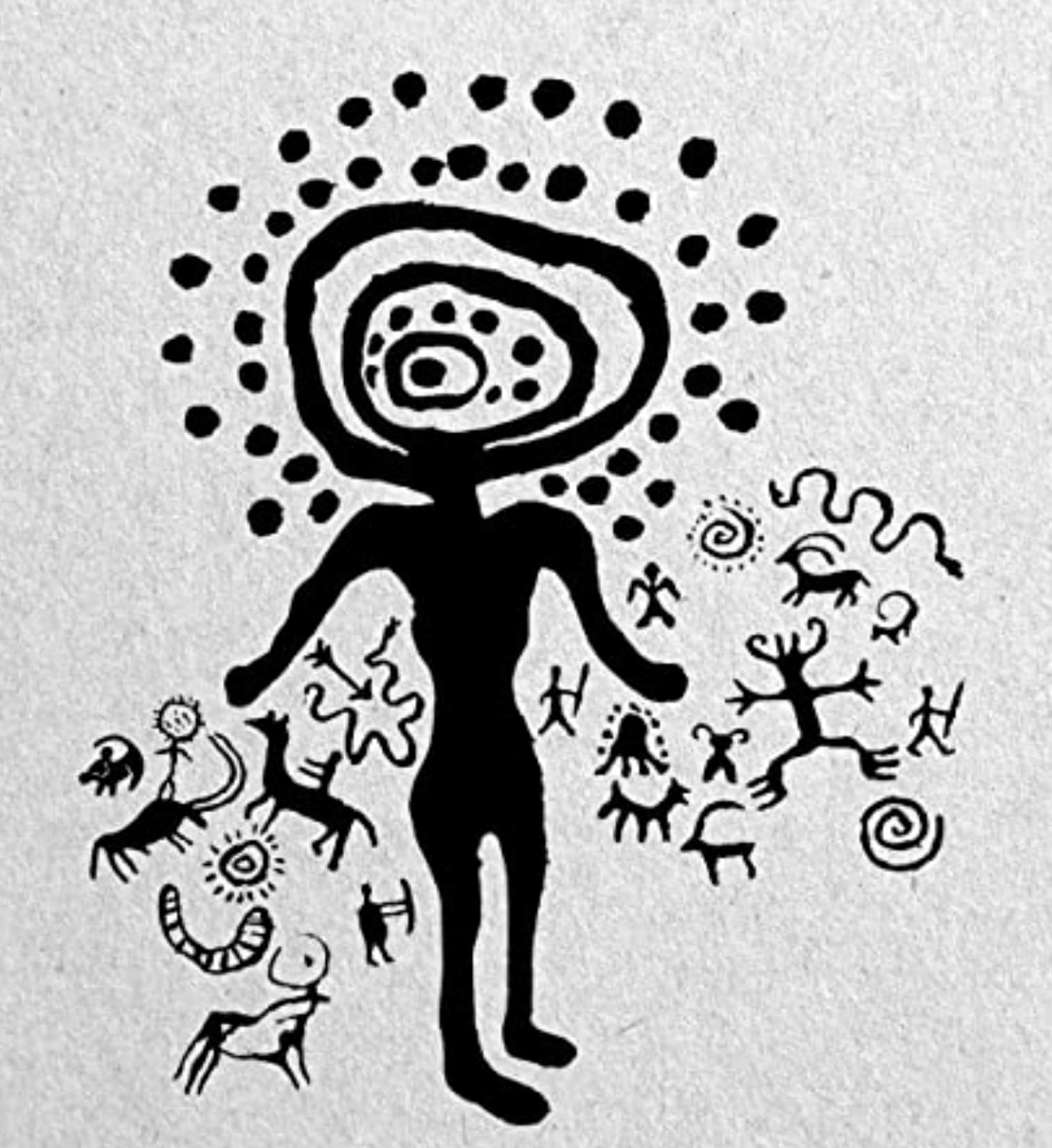
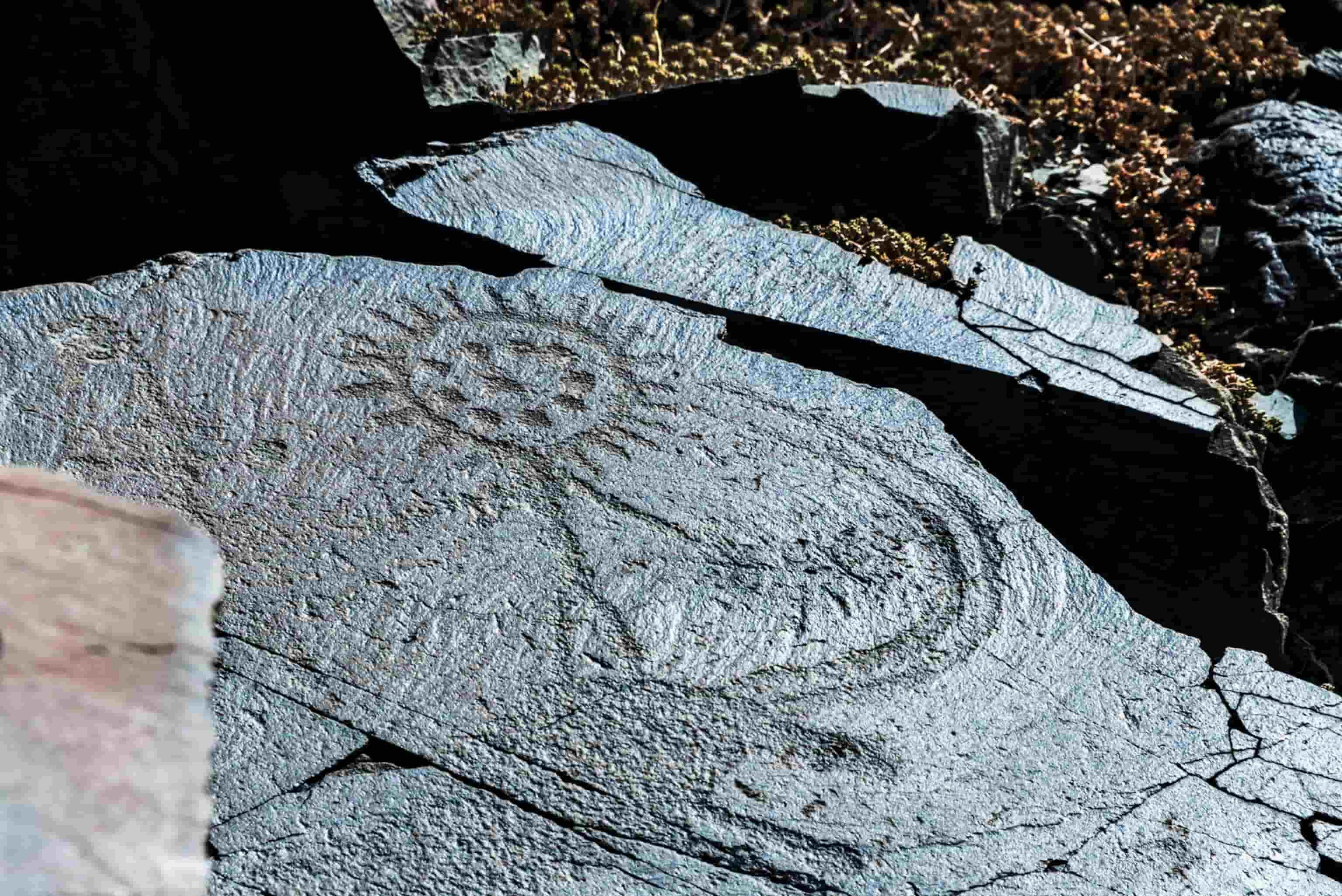
Located in the UNESCO World Heritage site of Tamgaly Gorge in Kazakhstan, the Sun-Headed Deity is a remarkable Bronze Age petroglyph approximately 3,400 years old. This enigmatic figure is recognized for its radiant solar head, symbolizing the importance of solar worship among ancient steppe cultures. Though interpretations vary, this petroglyph offers rare insight into the spiritual and shamanic traditions of early nomadic peoples who once inhabited the region.
Tamgaly Gorge: A Sacred Landscape of Petroglyphs
Tamgaly Gorge, nestled amid the arid Chu-Ili mountains near the Tienshan range, contains around 5,000 petroglyphs spread across 48 archaeological sites. These carvings span several epochs—from the Middle Bronze Age through to the early 20th century—chronicling the evolution of pastoral societies in Central Asia. The majority of the petroglyphs, including the sun-headed figures, date back to the Middle Bronze Age, around 3,400 years ago.
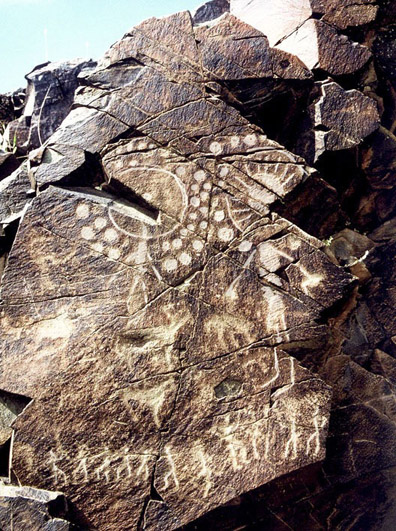
The gorge’s lush environment contrasts with the surrounding steppe, making it a natural sanctuary for ancient peoples. The petroglyphs depict a vast array of scenes from daily life, rituals, and mythology, with the Sun-Headed Deity standing among the most iconic representations.
Description and Symbolism of the Sun-Headed Deity
The Sun-Headed Deity is characterized by a human-like figure with an exaggerated circular head emitting radiant rays, symbolizing the sun. The size and placement of these figures emphasize their significance, visible from distances of 20 to 50 meters. Up to 30 such solar deity figures have been documented at Tamgaly, with 26 surviving to this day, indicating the deity’s revered status in Bronze Age spirituality.
This figure is often linked to solar worship, reflecting the sun’s centrality in ancient cosmology as a life-giver and a divine force. While the exact meaning remains uncertain, scholars propose that the imagery also connects to shamanic practices. The radiant solar head could represent a shamanic transformation or the presence of a powerful celestial being aiding the community through rituals and spiritual guidance.
Connection to Shamanism and Ancient Steppe Traditions
The petroglyph’s symbolic style has been interpreted as a blend of solar worship and shamanic tradition. Highlighting the complex spiritual life of ancient nomadic communities. The steppe cultures, including precursors to the Saka and Scythian peoples. Likely saw the sun as a divine guide and protector during their travels and pastoral lifestyle.
Artists may have reflected shamanism—with its trance states and spiritual mediators—in the depiction of the sun-headed figure. Possibly representing a shaman embodying or invoking solar power during ceremonies. The placement of the figure at Tamgaly, in a place rich with other ritualistic symbols and altars. Supports the idea of a sacred site for worship and spiritual activities.
Legacy and Cultural Importance
Tamgaly’s sun-headed images remain a symbol of Kazakhstan’s ancient cultural heritage. The petroglyphs serve as a bridge to understanding the worldview of Bronze Age steppe societies. Showcasing their respect for nature, celestial bodies, and the power of the sun.
The Sun-Headed Deity continues to intrigue archaeologists, historians, and visitors alike. Standing testament to early human artistic expression and spiritual complexity. UNESCO’s recognition of this site as a World Heritage location ensures the preservation of this invaluable cultural treasure. For future generations to explore and appreciate.
ALSO READ: