The World’s Oldest Soccer Ball: A 16th Century Treasure from Stirling Castle
The World’s Oldest Soccer Ball: A Glimpse into 16th Century Scotland
One of the oldest known soccer balls in the world was discovered in the rafters of a bedroom at Stirling Castle in Scotland, dating from the mid-16th century, around the time of Mary Queen of Scots. This historic ball provides a tangible connection to early forms of football and offers a unique insight into Scottish sports culture during the Renaissance period.
Discovery and Historical Context
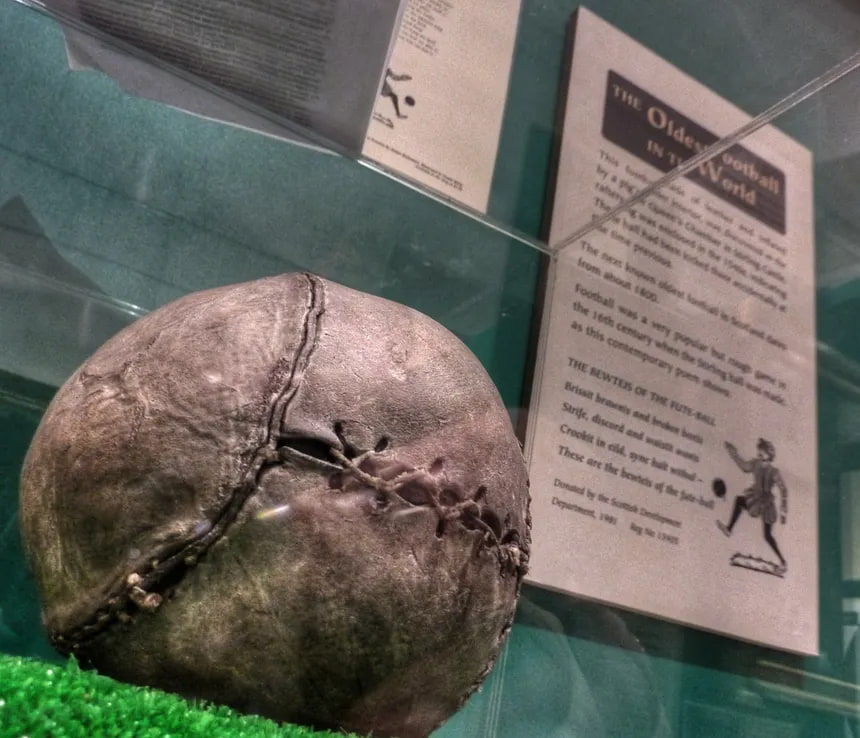
The soccer ball was found during renovation works at Stirling Castle in the late 1970s, lodged behind the oak paneling of the Queen’s Chamber roof. Historical analysis dates it to approximately 1540-1570, a period coinciding with the reign of King James V and Mary Queen of Scots’ early life. The ball, made from a pig’s bladder covered with thick stitched leather panels, remarkably survived due to its protected placement and materials.
Contemporary records also mention the purchase of footballs for the royal household, and Mary Queen of Scots herself was known to enjoy sports, including football, golf, and tennis. Letters from her incarceration period describe her watching or participating in football games, proving the sport’s popularity even among royalty.
Material and Craftsmanship
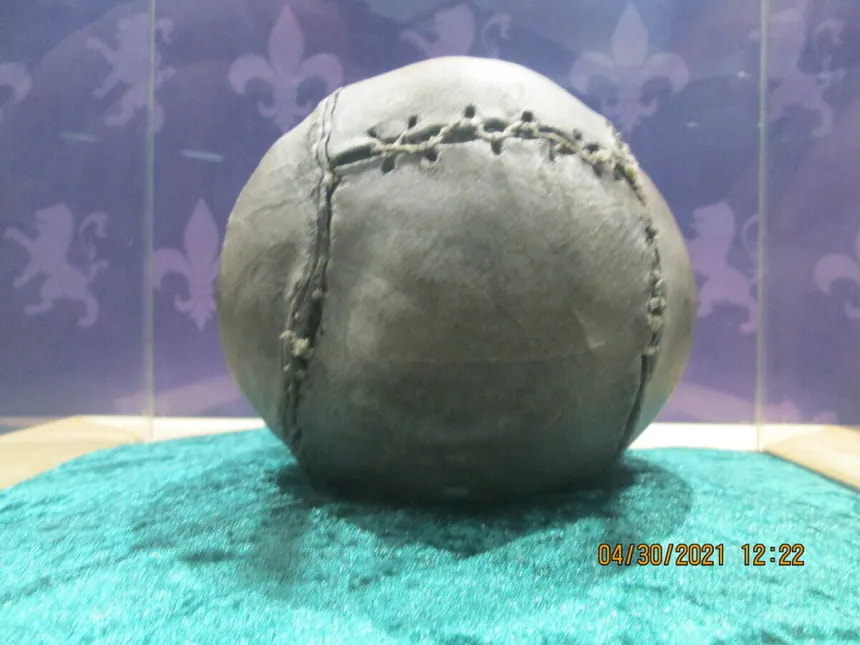
The ball is roughly the size of a small melon and is half the size of a modern football. Its construction involved a pig’s bladder inflated inside and covered with leather stitched from the inside to improve aerodynamics. The visible stitching repairs indicate it was a well-used item, underscoring the game’s popularity beyond ceremonial or decorative use.
This craftsmanship highlights early sports technology and the materials available at the time, combining functionality with durability. The ball’s design suggests it might have been used not only for kicking but possibly for handball games, as the smaller size could indicate use by children or for different gameplay styles.
Sports and Society in 16th Century Scotland
Football during the 16th century was quite rough, evidenced by poetry from the era listing injuries associated with the sport such as broken bones and strained muscles. Several laws were enacted to discourage playing football, particularly because it distracted men from military training, which was critical during turbulent times.
Despite this, football remained a beloved pastime involving all levels of society — including nobility. The finding of this ball in the queen’s chamber rafters hints at informal play that could transcend social classes. Reflecting music, dance, and games that were integral to court life and common folk alike.
Speculations about the Ball’s Placement
How the ball became lodged in the rafters remains uncertain. Someone in the palace might have kicked it there accidentally or placed it deliberately. Hidden as a charm to ward off evil spirits, a common superstition of the time. The latter theory aligns with period beliefs in protective magic and talismans placed within buildings.
Legacy and Current Display
Today, the Stirling Smith Art Gallery and Museum houses this soccer ball, recognized as the world’s oldest surviving football.
It represents not just a piece of sports history. But also a cultural artifact linking modern football to its early roots.
Visitors can see this historic object displayed in a protective case, symbolizing centuries of sporting heritage emanating from Scotland. The ball embodies the spirit of an evolving game that now captivates millions worldwide. Originating from humble beginnings in the courts and courtyards of medieval castles.
This ancient soccer ball from Stirling Castle bridges 500 years of history. Illustrating early sportsmanship and royal leisure in 16th century Scotland. Whether it once belonged to Mary Queen of Scots or was simply part of the vibrant life in the castle. It remains a cherished connection to the past for football lovers and historians alike.
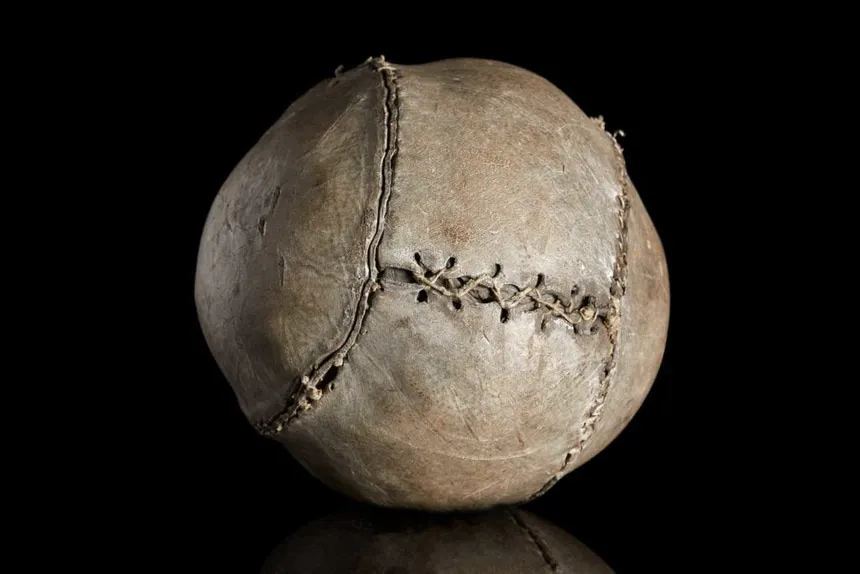
The object encapsulates the origins of a game that now commands a global audience. Reminding us that sports have long been a vital part of human culture and social interaction. The legacy of this historic ball continues to inspire and engage visitors. Making it a priceless artifact of Scottish and sporting history.
ALSO READ: Frozen in Time: Discovery of a WWII Sniper’s Nest Unveils a Haunting Glimpse into the Past