The Desert Labyrinth of Tucson: Exploring the Sacred Geometry of the Man in the Maze
The Desert Labyrinth of Tucson: A Living Echo of the Desert’s Spirit
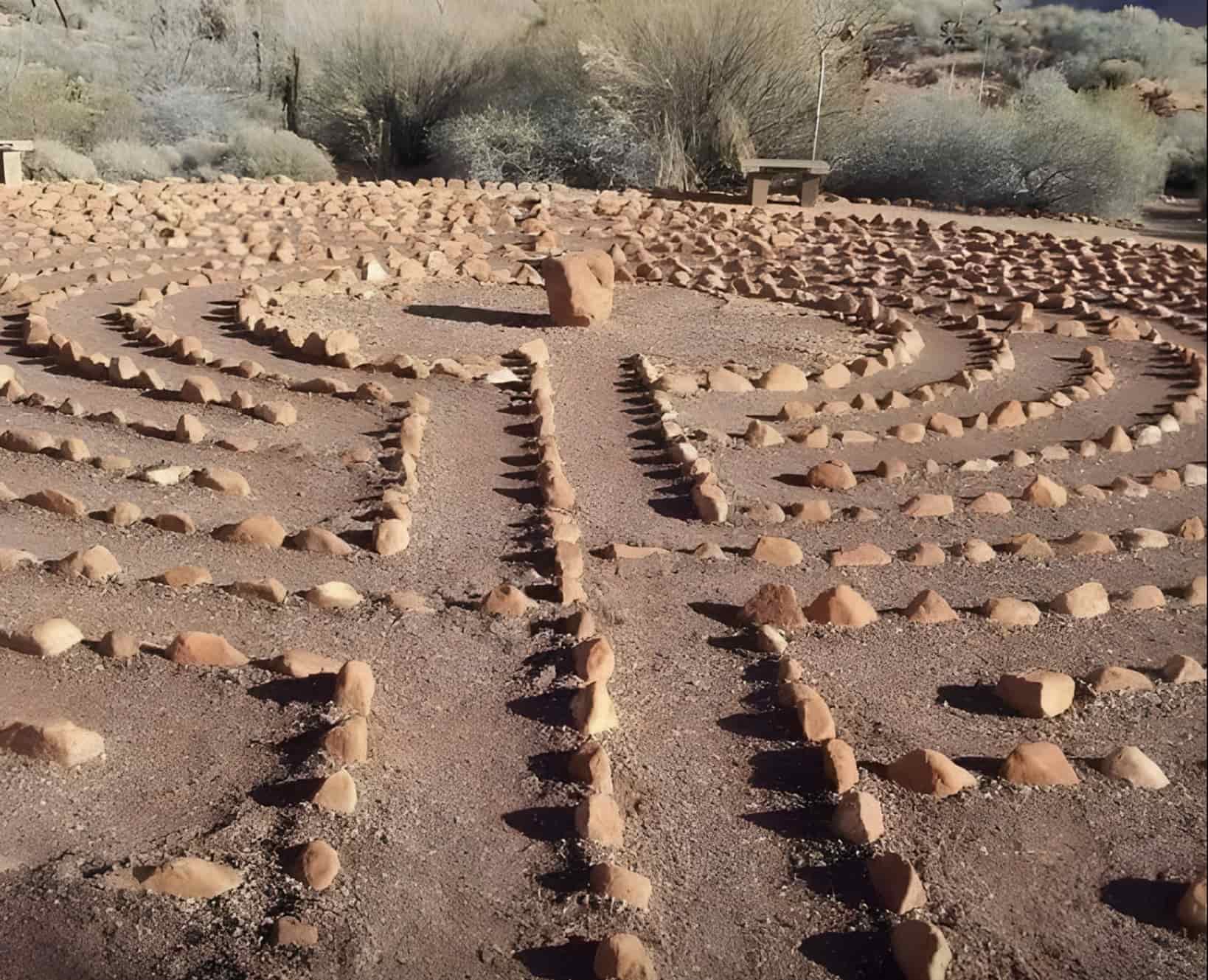
Set against the crimson cliffs near Tucson, Arizona, the Desert Labyrinth rises quietly from the sand—an intricate pattern of stone that feels both ancient and alive. More than a human-made structure, it embodies the landscape’s spiritual resonance, connecting earth, wind, and tradition in one meditative form. At its heart lies a deep reflection of Tohono O’odham spirituality, centered on the sacred “Man in the Maze”—a symbol representing life’s journey, its trials, and its revelations.
The labyrinth does not shout its purpose. Instead, it invites silence. Every step along its spiral seems to pull the traveler inward, into a space of contemplation and connection. Though the stones may appear still, they carry whispers of stories that have moved across this desert for centuries.
The Symbolism of the Man in the Maze
The “Man in the Maze” is one of the most profound motifs in Tohono O’odham and Pima (Akimel O’odham) tradition. Depicted as a figure standing at the entrance of a labyrinth, it represents the human journey through life’s challenges and experiences. The path twists and turns, symbolizing the obstacles and choices that shape one’s destiny.
Each turn in the maze reflects a cycle of learning—a birth, a challenge, or a transformation. Reaching the center is not an end, but a moment of enlightenment, when one meets the Creator and reflects upon the wisdom gained from the path traveled. In this context, the Desert Labyrinth is more than a design; it is a living prayer inscribed in the earth.
Walking the labyrinth mirrors meditation. It teaches patience, humility, and acceptance of life’s unpredictable nature. The journey inward demands surrender, while the journey outward restores clarity and renewal.
A Landscape Shaped by Spirit and Stone
The desert surrounding Tucson is a landscape of contradictions—harsh yet nurturing, empty yet full of life. It has long been a sacred setting for reflection among the Tohono O’odham, whose ancestral lands stretch across the Sonoran Desert and beyond. To them, every mountain, cactus, and breeze carries spirit.
The Desert Labyrinth draws from this same sense of reverence. Its circular geometry echoes the desert’s natural forms—spiraling shells, wind-carved dunes, and the cyclical patterns of water and drought. By aligning its stones with the surrounding terrain, the labyrinth does not impose itself upon the land but blends into it, forming a pattern of balance between human intention and natural harmony.
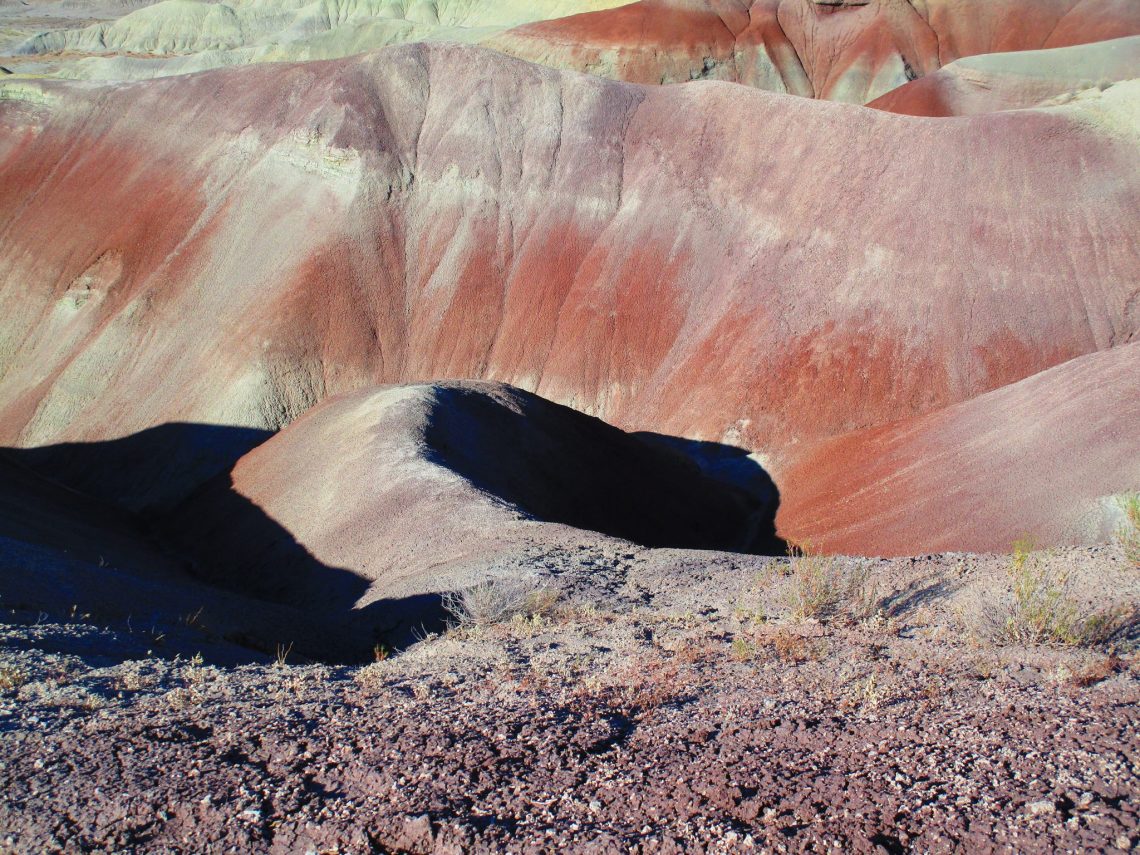
The red cliffs standing above reflect the deep hues of time. As the setting sun casts light across the path, the stones seem to glow from within, reviving the ancient belief that all materials—rock, sand, and light—are part of one continuous creation story.
Walking as Meditation: Movement with Meaning
To walk the Desert Labyrinth is to enter a dialogue between the body and the spirit. Each curve draws the walker closer to stillness, even as physical movement continues. The experience redefines walking—not as transportation but as transformation.
Within this experience, the sound of footsteps against sand blends with the soft rustle of wind through mesquite and ocotillo. The desert opens, and silence becomes sacred. Those who walk often describe feeling both grounded and released, as if the path absorbs their worries and gives back calm clarity.
This contemplative ritual mirrors ancient global traditions. From Greek labyrinths at Knossos to medieval European cathedral mazes, sacred pathways have long guided people toward inner peace. Yet in Tucson, the desert adds its own dimension—its vastness becomes part of the meditation, reminding the walker that solitude is never emptiness but presence.
The Labyrinth as a Modern Bridge to Ancestral Wisdom
Today, visitors to the Desert Labyrinth come from many paths—pilgrims, artists, historians, and those searching for stillness beyond the noise of modern life. Its presence bridges ancient and contemporary worlds, inviting people to reconnect with values often lost: patience, mindfulness, and respect for the land.
For Indigenous peoples, especially the Tohono O’odham, the labyrinth continues to symbolize endurance and identity. Despite centuries of cultural disruption, the “Man in the Maze” remains a vivid reminder that every generation walks its own path toward balance and understanding. The Desert Labyrinth offers a physical space where that teaching endures—adapted, shared, and still sacred.
Preserving such heritage requires sensitivity. Many sacred designs have been commercialized or detached from their origins. The Desert Labyrinth’s continued connection to Tohono O’odham teachings ensures that its spiritual dimension remains intact. Each visitor becomes part of its story by walking respectfully, acknowledging it as both an artwork and an ancestral altar.
The Sacred Geometry of Life and Renewal
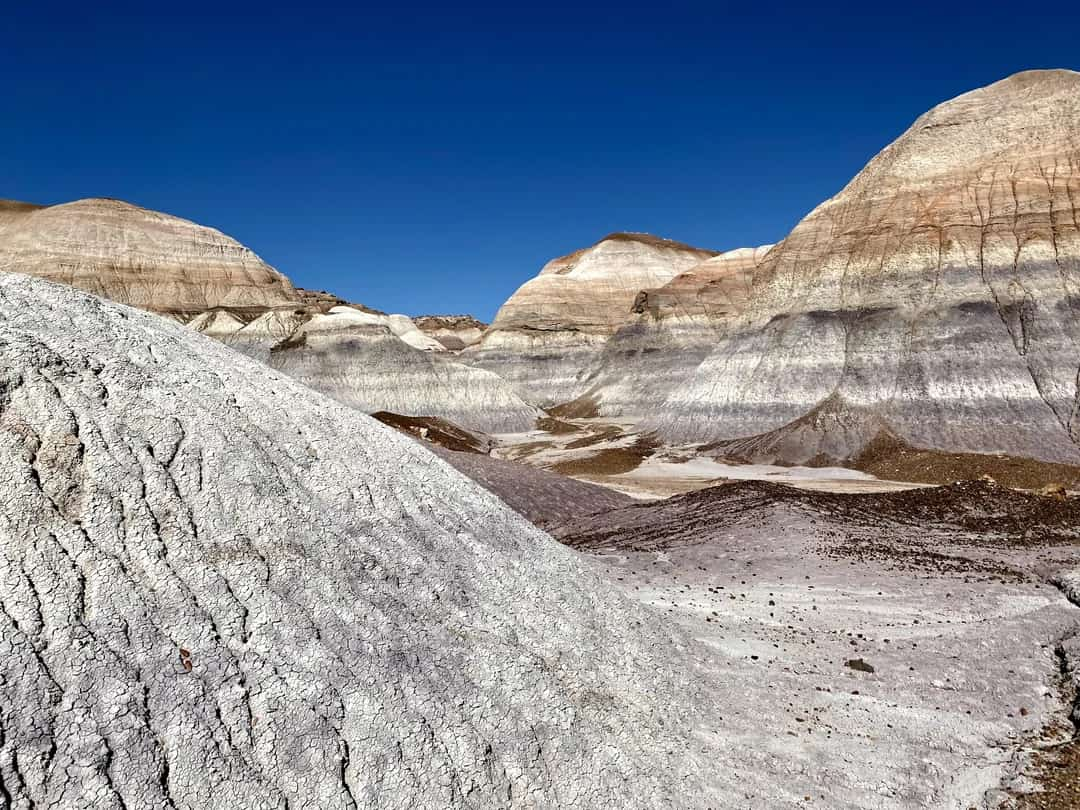
Geometry in sacred structures is never accidental. Circles, spirals, and symmetrical patterns appear repeatedly across Indigenous architecture, from petroglyphs to ceremonial grounds. The Desert Labyrinth exemplifies this universal geometry—its design reflects how all life moves in cycles rather than straight lines.
The central spiral, repeating turns, and harmonious proportions all express movement toward wholeness. The design mirrors natural growth patterns found in sunflowers, shells, and galaxies, illustrating that spiritual symbolism is deeply connected to mathematical order. To walk such geometry is to move within the language of creation itself.
As the walker reaches the center and turns outward again, the change in direction represents rebirth. Leaving the labyrinth does not mean departing from sacred space but carrying its insight back into daily life. Renewal, rather than completion, defines the journey.
Echoes of Wind and Memory
When the desert wind flows through the labyrinth at dusk, the place awakens. The stones hum faintly with the shifting air, and shadows thread through the paths like spirits of old travelers returning home. The air feels charged not just with sand and light but with memory.
Perhaps, as many believe, the Desert Labyrinth is not meant to be solved. Its purpose lies in reminding those who walk it that the most confusing turns often lead to understanding. In moments of loss, the path offers guidance not toward an external goal but inward, toward calm awareness.
In this way, the labyrinth becomes both metaphor and mirror. It shows that life’s meaning cannot be found by rushing toward the end, but by listening to the quiet wisdom gathered with each step.
A Testament to the Desert’s Enduring Spirit
Standing under the Arizona sky, one sees why this labyrinth endures. It belongs to the land that shaped it—timeless, vast, and full of lessons. Just as the Tohono O’odham people have always taught, the earth is both teacher and home. The Desert Labyrinth of Tucson invites us to slow down, listen, and remember that every path, however winding, holds purpose.
Through its spirals, we rediscover an ancient connection between landscape and soul, movement and meaning. And as the last light fades across the crimson cliffs, the labyrinth reminds us: even in the desert’s silence, we are never truly lost.
ALSO READ: Ashurbanipal: The Scholar-King Who Conquered Lions and Built the World’s First Library