Tyrannosaurus Rex Skin Reveals a Scaled Predator: New Microscopic Study Redefines Dinosaur Appearance
Tyrannosaurus Rex Skin Uncovered in Unprecedented Detail
For the first time in history, scientists have examined Tyrannosaurus rex skin under microscopic analysis, revealing a remarkable picture of the Late Cretaceous giant. Far from being feathered like some of its smaller relatives, the world’s most iconic predator was cloaked in thick, scale-covered skin. This groundbreaking research redefines how paleontologists view the outer anatomy of T. rex and its place within the evolutionary tapestry of theropod dinosaurs.
The discovery shows that each scale on the T. rex’s body was intricately shaped, resembling tiny, pebble-like structures embedded in durable skin. These overlapping scales didn’t merely provide texture—they formed a natural armor that protected the predator from physical harm during hunts, territorial fights, and harsh environmental conditions.
The Scaled Armor of a Cretaceous Predator
The newly analyzed skin samples, extracted from fossilized remains in regions once part of North America’s ancient floodplains, display an incredible preservation of microstructures. The scales vary in shape and size depending on their location on the body—larger, irregular patterns on the flanks and smaller, tightly packed ones on the tail and neck.
This distribution suggests an adaptive purpose. The larger scales may have acted as flexible armor during movement and combat, while finer scales helped streamline the body, reducing drag and maintaining agility when maneuvering through dense vegetation or striking at prey.
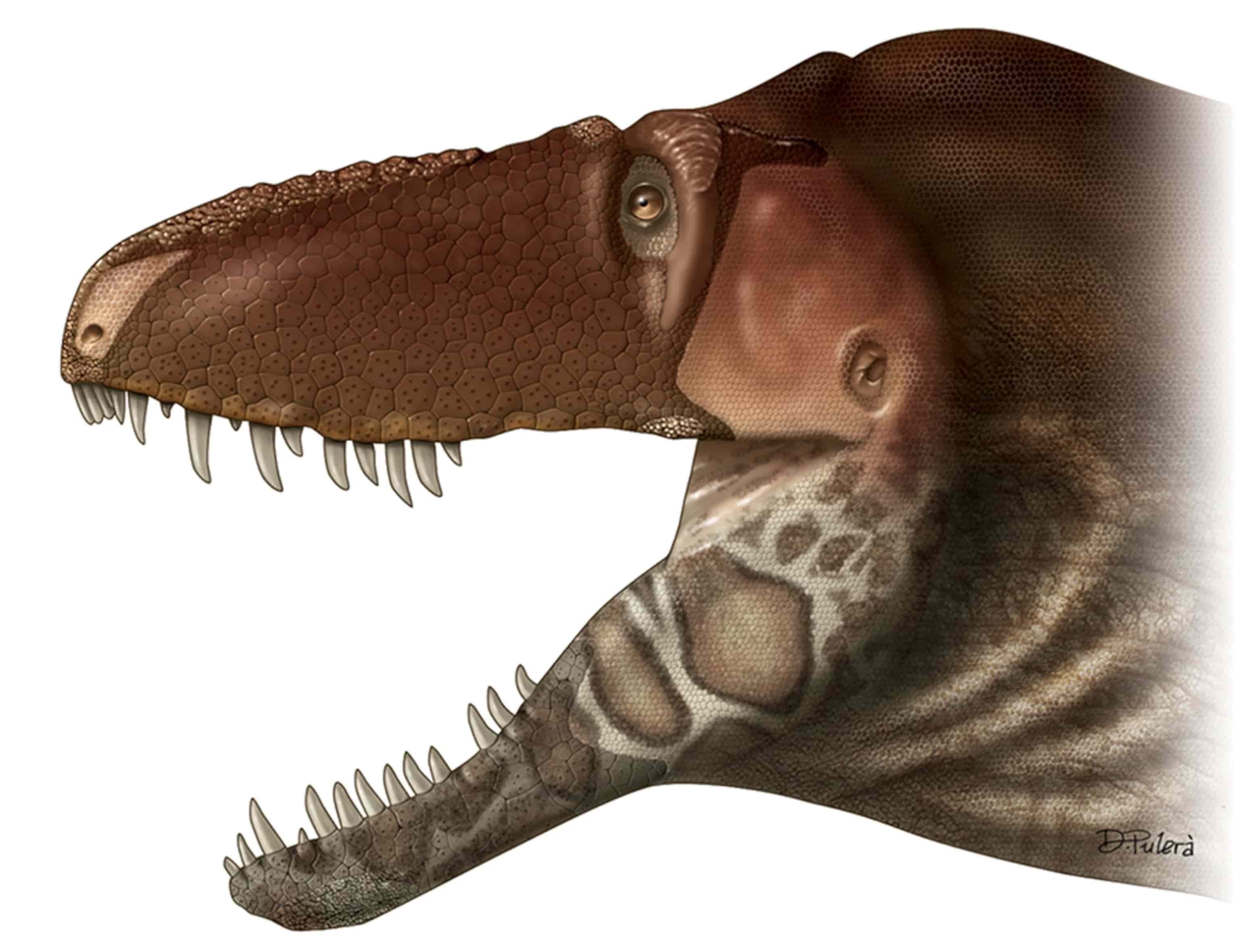
The armor-like texture also underscores the T. rex’s dominance. In many reptiles, scales contribute to both protection and thermoregulation, helping the organism withstand environmental stressors. The T. rex’s robust skin likely fulfilled a similar function—serving as both shield and temperature regulator in the humid climates of the Late Cretaceous.
A Debate Set to Rest: Feathers vs. Scales
For more than two decades, paleontologists have debated whether Tyrannosaurus rex bore feathers or scales. Smaller ancestors within the tyrannosaur family, such as Dilong and Yutyrannus, showed evidence of primitive feather-like filaments, suggesting that some family members were partially feathered.
However, this new research indicates that by the time the T. rex evolved—over 66 million years ago—it had lost much of that feather coating. Instead, it developed a dense layer of scales reminiscent of modern reptiles such as crocodiles. This evolutionary shift could have been driven by the animal’s enormous size. Large-bodied animals naturally retain heat, so the T. rex likely didn’t need an insulating feather covering to regulate its temperature.
The scaled surface provided not only protection but also a strategic evolutionary advantage, allowing the predator to maintain an optimal balance between power, durability, and environmental adaptability.
Patterns, Camouflage, and Signaling Behavior
Each patch of T. rex skin reveals subtle variations in shape, pattern, and texture—details that may have had behavioral and ecological significance. Some scientists suggest that these differences could correspond to skin pigmentation, offering camouflage within its environment.
The Late Cretaceous landscape was filled with dense plant life, murky wetlands, and open floodplains. Camouflage would have been key to ambush hunting, allowing T. rex to blend into its surroundings before launching an attack. The pebble-like pattern, when combined with shading or pigmentation, may have created a broken visual outline, similar to modern crocodilian skin that blends seamlessly into water and mud.
In addition to concealment, the texture differences could have functioned in social display. Subtle patches of contrasting tones might have signaled dominance or sexual maturity to other tyrannosaurs—an ancient visual language written in scales rather than sound.
Insights into T. rex Physiology
The new microscopic data also reveal how deeply interconnected the T. rex’s skin was with its overall physiology. The layering of the dermal structure suggests remarkable strength and elasticity—qualities essential for supporting the immense muscles beneath. Every bite, stride, and turn would have exerted immense pressure on the skin, requiring a flexible, yet resilient surface to prevent tearing.
The scaly texture may have helped regulate body temperature by reflecting sunlight and retaining internal heat. Similar to modern reptiles, T. rex could have used its skin as part of a temperature control system, absorbing or deflecting radiation depending on its activity level and time of day. Combined with its muscle-driven metabolism, this feature points to a highly efficient predator adapted to long pursuits and sudden bursts of power.

Evolution Perfected by Texture and Function
This study paints T. rex as the pinnacle of predatory design—a creature evolved for maximum efficiency. Every layer of its body, from the bone structure to the skin surface, worked in harmony to create an apex predator capable of ruling one of Earth’s most competitive ecosystems.
The intricate scale design reveals that evolution had refined this giant to thrive not just through strength, but through resilience. Scales offered an evolutionary compromise between protection and flexibility, aiding both survival and mobility. The combination of armor, heat regulation, and communication potential displays how highly specialized the T. rex had become in its environment.
Technology Meets Paleontology: Studying Fossil Skin
The research team used high-resolution electron microscopy and spectroscopy to study the fossilized skin fragments. These advanced techniques allowed scientists to view the microscopic ridges, pores, and textures that standard optical analysis would miss.
The findings suggest that fossilized skin can retain incredible detail even after 66 million years of mineralization. This opens new opportunities for paleontologists: by comparing skin samples across species and geologic ages, they can now reconstruct how integumentary systems evolved among different dinosaur clades. It also provides invaluable data for understanding the environmental context in which these creatures lived and adapted.
A Glimpse into the World of the Tyrant King
The discovery of Tyrannosaurus rex’s scaled skin is more than a visual revelation—it’s a window into the biology, behavior, and environment of one of Earth’s greatest predators. It highlights how the T. rex balanced brute strength with sensory precision and environmental responsiveness.
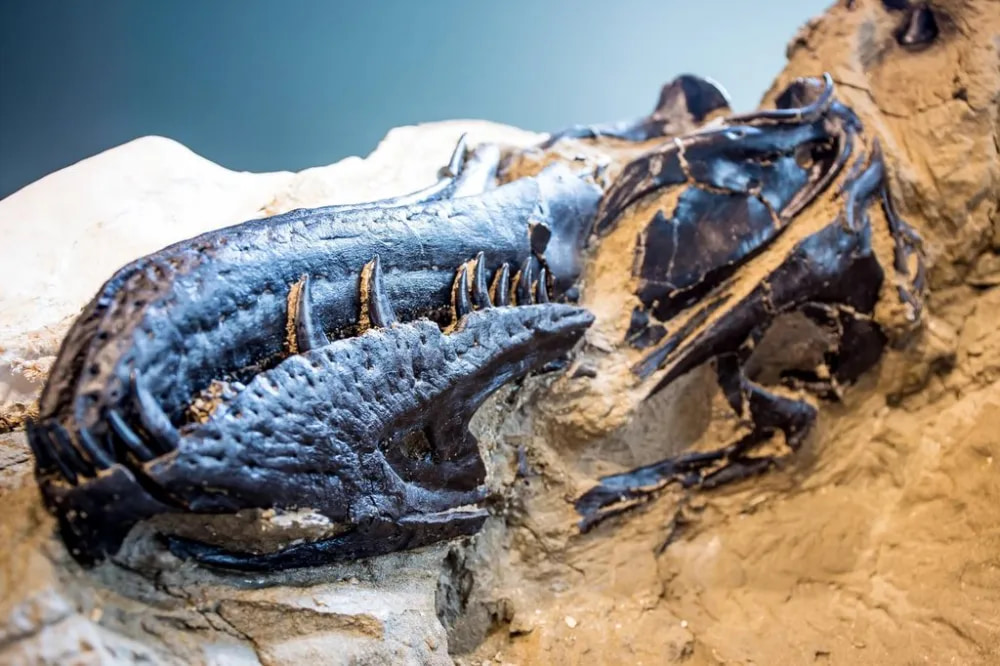
This prehistoric giant, covered in reptilian armor, lived at the crossroads of power and evolution. Its scaly hide, far from primitive, represents the culmination of millions of years of adaptation that enabled T. rex to dominate until the very end of the dinosaur era.
Key Takeaways for Paleontology
-
The first microscopic analysis of T. rex skin confirms that it was covered in scales, not feathers.
-
The skin’s pebble-like microstructure provided both protection and thermoregulatory benefits.
-
Variations in scale patterns may have influenced camouflage and social behavior.
-
The findings reshape the evolutionary narrative of large theropods within the dinosaur family tree.
This new understanding transforms the image of the T. rex from a feathered giant to a muscular, scaly apex predator perfectly engineered for survival under the Late Cretaceous sun.
ALSO READ: The Cave of Agia Sophia in Kythira: A Sacred Blend of Legend, Faith, and History