Mazarrón 2: The Phoenician Shipwreck That’s Rewriting Mediterranean Maritime History
The ongoing recovery of the Mazarrón 2—an exceptionally preserved 2,700-year-old Phoenician shipwreck found off the coast of Murcia, Spain—is reshaping our understanding of ancient trade and navigation. Believed to date back to around 700 BC, this remarkable vessel is the most complete Phoenician ship ever discovered in the Mediterranean. For archaeologists and historians alike, it offers an unprecedented window into the seafaring ambitions, technologies, and trade routes that connected early Mediterranean civilizations.
The Discovery of Mazarrón 2
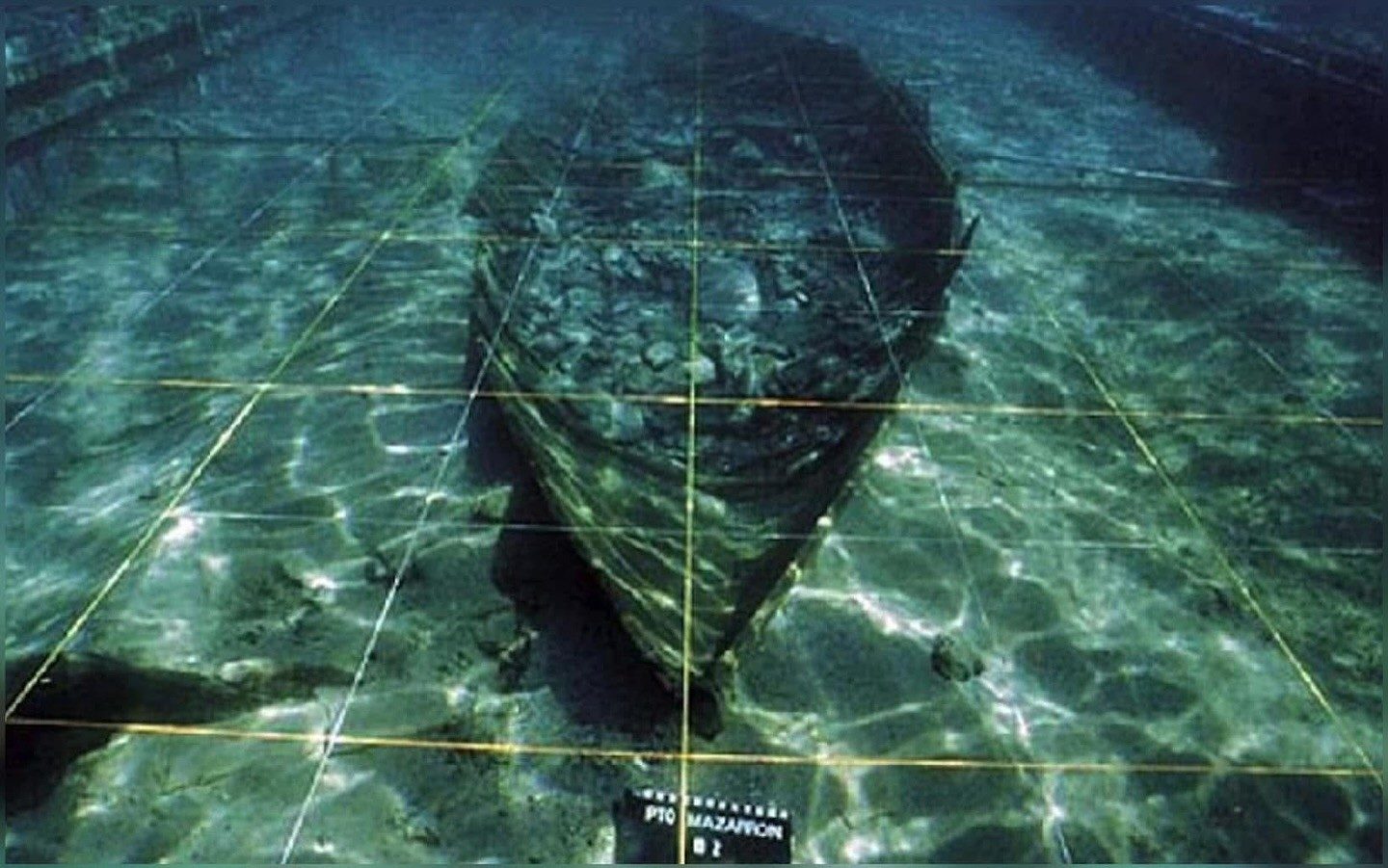
The shipwreck was originally discovered in the 1990s near the Bay of Mazarrón, a coastal region long associated with ancient maritime activity. At the time, only partial studies were conducted, preserving much of the wreck beneath a protective sand layer to safeguard it from erosion and interference. In recent years, increasing environmental pressures—rising sea temperatures and sediment displacement—triggered renewed concern among archaeologists. This urgency led the University of Valencia, in collaboration with Spain’s Ministry of Culture, to initiate a full-scale recovery operation in September 2024.
What makes Mazarrón 2 unique is its extraordinary state of preservation. The hull, cargo elements, and organic materials remain largely intact, offering archaeologists a once-in-a-lifetime opportunity to study Phoenician shipbuilding in situ. The discovery goes far beyond other known examples, such as the Mazarrón 1 wreck or similar finds in the Levant and Sardinia.
A Masterpiece of Phoenician Shipbuilding
Dating back to roughly 700 BC, Mazarrón 2 represents the height of Phoenician craftsmanship. Built primarily from pine and configured for coastal trading, the ship measures approximately 8 meters in length and demonstrates advanced naval architecture for its time. Evidence suggests that the Phoenicians developed a robust mortise-and-tenon technique—using interlocking joints secured with wooden pegs—to ensure seaworthiness during long voyages.
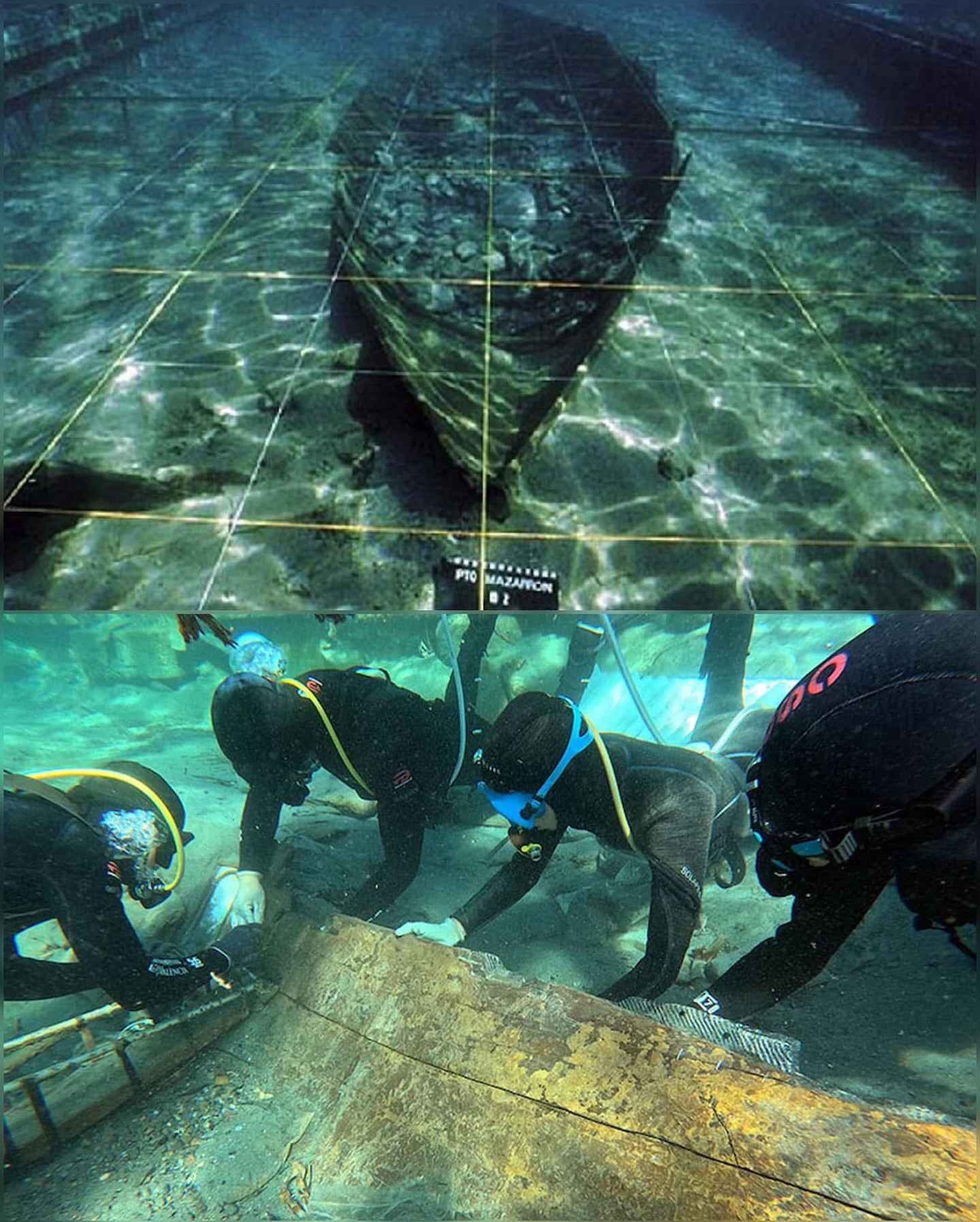
As the excavation revealed, the ship’s hull remains astonishingly well-preserved beneath the sand. Even individual planks retain their original curvature, allowing researchers to digitally reconstruct the design with precision. Using 3D modeling technology, specialists have developed a virtual replica of the ship before dismantling, ensuring that every structural element can be studied and restored in laboratory conditions.
Advanced Technology in Underwater Archaeology
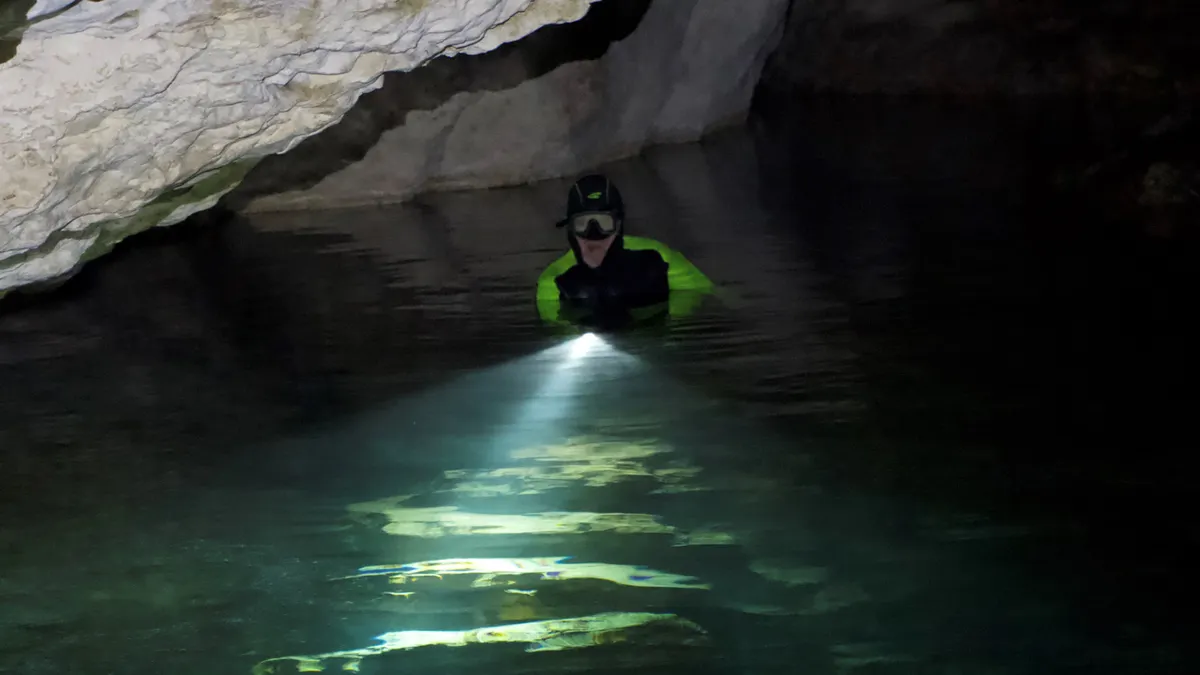
The Mazarrón 2 project stands as a landmark in modern underwater archaeological methodology. The recovery team employs a blend of cutting-edge technology and meticulous conservation science to handle this delicate operation. Specialists use 3D scanning and real-time digital mapping to document every phase of extraction. Protective polyethylene molds have been developed to stabilize the fragile wood during transport, preventing exposure damage once the material leaves its underwater environment.
In addition, remote-operated vehicles (ROVs) and marine drones have been deployed to monitor the site continuously. These devices collect environmental data, helping archaeologists understand how the site’s micro-conditions—such as salinity, sediment density, and temperature—contributed to the extraordinary preservation of the wreck.
Excavating Millennia of Maritime History
As sediment layers were carefully removed, archaeologists began to uncover a wealth of organic and manufactured material unseen for almost three millennia. Among the most remarkable finds are fragments of rope—likely made from reed or hemp fibers—still intertwined as they would have been during the vessel’s final voyage. Ceramic amphorae, cooking pots, and transport jars have also been found, many of which carry residues suggesting the storage of wine, olive oil, or other trade goods.
These discoveries paint a vivid picture of daily life aboard a Phoenician trading vessel. The combination of cargo evidence and ship design indicates that Mazarrón 2 was engaged in short- to medium-range coastal trade, linking colonies and ports across the western Mediterranean. The site echoes the Phoenicians’ reputation as the master navigators of the ancient world. Entrepreneurs who laid the foundation of maritime commerce centuries before the classical civilizations of Greece and Rome rose to dominance.
The Significance of the Mazarrón 2 Project
The Mazarrón 2 excavation is not just an isolated archaeological triumph. It is a rare opportunity to explore an entire cultural and technological system. The Phoenicians, originating from the Levant (present-day Lebanon, Syria, and northern Israel). Were among the first peoples to systematically develop maritime trade networks spanning thousands of kilometers. Through ports such as Gadir (modern Cádiz) and Carthage. They diffused technologies, artistic traditions, and goods that unified the Mediterranean basin.
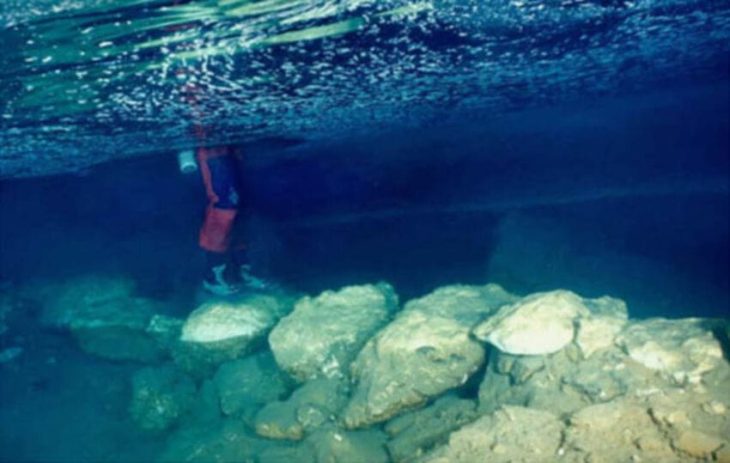
Recovering this vessel contributes concrete evidence of how these exchanges functioned on a practical level. Unlike historical records or fragmentary artifacts, Mazarrón 2 presents a complete economic microcosm. Ship design, cargo distribution, crew provisions, and onboard logistics.
For historians, it confirms that Phoenician technological knowledge was not only theoretical but systematized and exportable across colonized territories. For archaeologists, it redefines preservation strategies in underwater contexts. Showing that with proper conservation and planning, even millennia-old wooden structures can be safely retrieved and studied.
The Extraction and Conservation Process
The team began the planned extraction phase of the Mazarrón 2 project in September 2024 and expects to conclude it by November 6, 2025.
The team is lifting the vessel’s components—keel, hull planking, and internal fittings—piece by piece.
Each enclosed within custom-designed polyethylene molds. The process moves slowly and demands intense labor; divers must carefully coordinate every centimeter of movement underwater to prevent sudden stress fractures.
Once removed, the ship components are transported to specialized conservation facilities. At the National Museum of Underwater Archaeology (ARQVA) in Cartagena. There, scientists will begin a multi-year stabilization process to extract salts, reinforce biological fibers, and halt bacterial degradation. The complete conservation effort is estimated to take at least five years. During which researchers will document each piece for educational and display purposes.
What Mazarrón 2 Reveals About Ancient Trade
The Phoenicians dominated trade throughout the first millennium BC. Controlling sea routes that connected the Iberian Peninsula to North Africa, the Near East, and beyond. They traded in metals, dyes, textiles, and luxury goods, forming one of the earliest examples of a globalized economy. Mazarrón 2 encapsulates this phenomenon on a micro scale. Its recovered artifacts suggest not only economic transactions but also the circulation of language, technology, and belief systems.
Ceramic analysis has already identified design parallels with pottery found in Tyre and Sidon. While organic residue testing may soon determine the ship’s precise cargo. These details will help reconstruct trade patterns and refine timelines for Phoenician expansion westward.
A New Era for Underwater Archaeology
The Mazarrón 2 project sets a new standard for how archaeologists approach underwater cultural heritage. Its combination of digital replication, conservation foresight. And interdisciplinary collaboration demonstrates a path forward for fragile submerged sites across the world. More importantly, it emphasizes the importance of balancing scientific exploration with preservation ethics.
Spain’s Ministry of Culture and the regional government of Murcia have committed to making the recovered ship a centerpiece of public education. Once conservation concludes, experts will display the vessel in an environment-controlled exhibit.
That allows visitors to witness both the ship’s reconstruction and the scientific process that made its recovery possible.
Looking Ahead: Legacy and Inspiration
The excavation of Mazarrón 2 is far more than a local archaeological event. It rediscovered the ancient Mediterranean’s shared cultural roots. Each timber, rope fragment, and ceramic piece contributes to a broader narrative about humanity’s enduring relationship with the sea. For modern archaeologists, it’s a reminder that the waters still conceal untold chapters of our collective past.
For the next generation of researchers, Mazarrón 2 will serve as a training ground and inspiration. Demonstrating that innovation and patience can unite to rescue entire worlds from beneath the waves.