Spirit Cave Mummy: The Ancient Legacy Linking Past and Present
Unearthing Deep Time in Nevada
In the parched uplands of Nevada’s Lahontan Basin, early archaeologists made a discovery that would echo through decades of scientific and cultural dialogue. Among scattered reeds, fibers, and ancient artifacts, they uncovered the mummified remains of a man dated to nearly 12,000 years ago—now recognized as the oldest human mummy ever found in North America. This man, often called the “Spirit Cave Man” or “the Storyteller,” is more than a relic—he is a living thread in the tapestry of Indigenous heritage that still flourishes in the Great Basin region today.
The Archaeological Discovery: Spirit Cave and Its Significance
Uncovering the Oldest Mummy
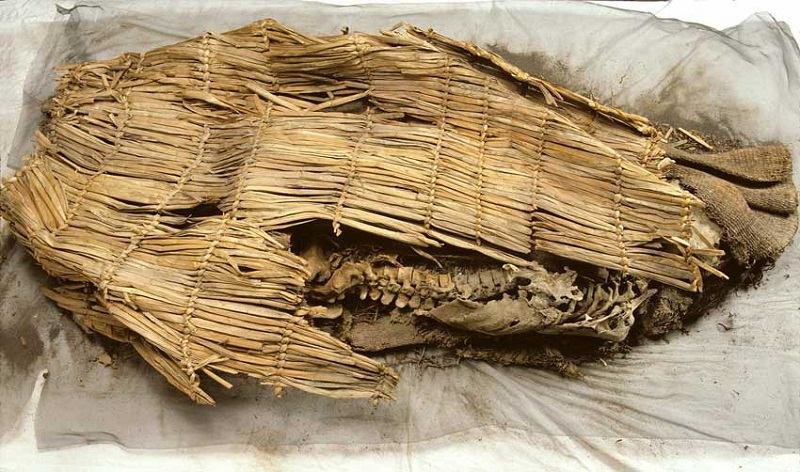
Spirit Cave is located east of Fallon, Nevada, in the foothills of the Stillwater Mountains. In 1940, archaeologists Sydney and Georgia Wheeler, while surveying for guano mining impacts, uncovered the mummified remains along with artifacts—woven mats, moccasins, and a rabbit-skin blanket, all preserved in the extremely dry conditions. Initially thought to be around 1,500 to 2,000 years old, radiocarbon dating in the 1990s stunned the archaeological world by revealing an age of over 10,600 years.
Artifacts and Ancient Lifeways
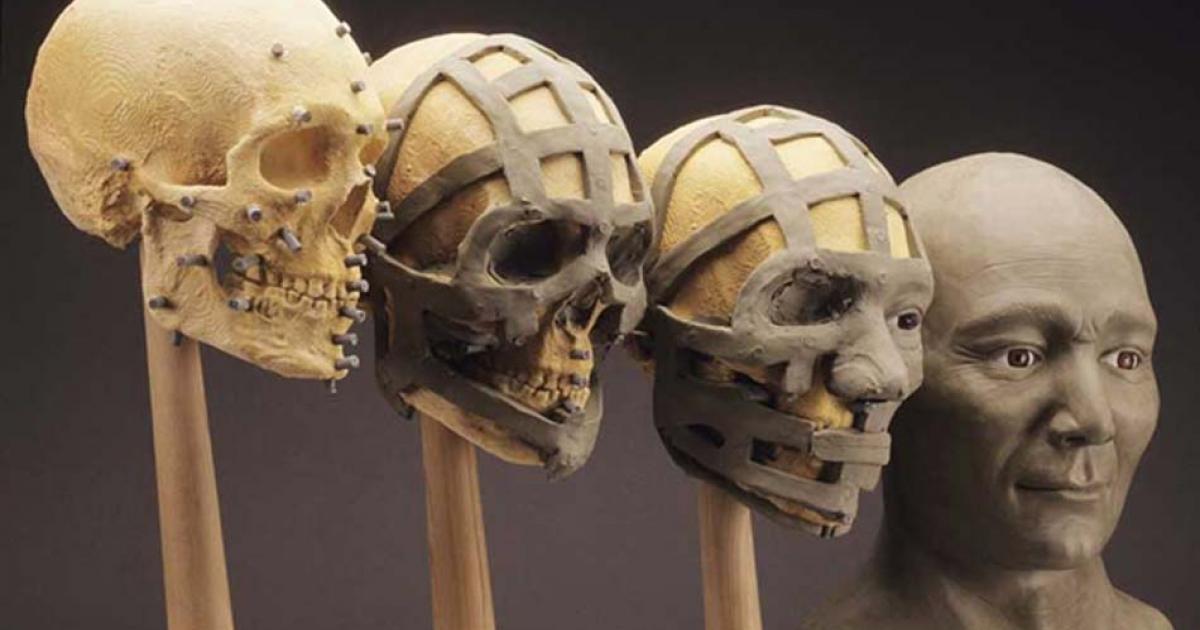
Accompanying the mummified remains were 67 artifacts, offering a glimpse into the daily lives and respectful burial customs of the ancient inhabitants. The community were skilled hunter-gatherers who harvested reeds, crafted robust tools, and wove intricate mats in which they wrapped their dead—a continuity of care echoing down the millennia.
From Mystery to Heritage: Science Meets Tradition
The Genetic Breakthrough
For many years, the Spirit Cave Mummy became the center of a fierce debate about American prehistory and Indigenous heritage. DNA sequencing, permitted by the Fallon Paiute-Shoshone Tribe after careful collaboration, offered a remarkable answer: the Storyteller is a direct ancestor of today’s Northern Paiute people, and by extension, related to other Indigenous communities across the Americas.
This was more than a scientific triumph. Where some saw only ancient bones, the Northern Paiute saw family—a connection reconfirmed through their own oral traditions and affirmed by science. The findings reshaped interpretations of regional history. Confirming that the Indigenous presence in the Great Basin stretches back over ten millennia, unbroken and deeply rooted.
Multiyear Collaboration: Repatriation and Reburial
The road to this breakthrough ran through years of negotiation. Early relations between archaeologists and the tribe were strained, but thoughtful, transparent collaboration built new trust. DNA analyses were only conducted with full tribal involvement. Two Paiute elders witnessed the process in Copenhagen, the tribe’s perspectives guiding research agendas and decisions.
When DNA confirmed Indigenous ancestry, Spirit Cave Man’s remains were repatriated. In 2016, he received a private, respectful reburial—restoring dignity and reaffirming tribal rights. The event was hailed as a new standard for ethical collaboration between scientists and Native American communities.
Spirit Cave and the Story of Human Movement
Insights into Ancient Migrations
Study of the Spirit Cave Mummy’s DNA, along with other ancient remains from across the hemisphere, has illuminated migration patterns across the Americas. Data revealed that the ancestors of the Spirit Cave Man and other groups like the famous Lagoa Santa remains in Brazil spread rapidly. Adapting to a vast, empty continent in small, highly mobile groups.
The link between Spirit Cave and present-day Native Americans demonstrates not only regional continuity. But also the astonishing speed and adaptability of early populations. These insights help fill critical gaps in the story of how people settled the Americas after the last Ice Age.
Living Legacy: Spirit Cave as a Bridge
Why Spirit Cave Matters Today
The Spirit Cave Mummy is more than an ancient scientific curiosity. For the Fallon Paiute-Shoshone and broader Northern Paiute communities, the Storyteller’s journey is deeply personal. A story long preserved in oral tradition, now affirmed in laboratory results.
Cultural leaders, scientists, and educators now work side by side, blending Indigenous knowledge with archaeological data. Their continuing partnership ensures that the lessons from Spirit Cave guide ethical research, education, and the respectful treatment of ancestral remains worldwide.
Conclusion
Spirit Cave stands as a testament to the ability of science and ancestry to come together. Breathing life into the past and reaffirming living identity. As research continues and the story of the Storyteller is retold. It is not just a tale of bones and artifacts. It is a living bridge across generations, memory, and land.
History here is not static; it endures in the voices, traditions, and stewardship of those who still call the Lahontan Basin home. Spirit Cave reminds the world that the traces of the past are not truly buried, but ever present. Carried forward through honor, memory, and the unbroken bonds of family.
ALSO READ: Unveiling the Akaki Roman Mosaic: Cyprus’s Unique Window into Ancient Chariot Races