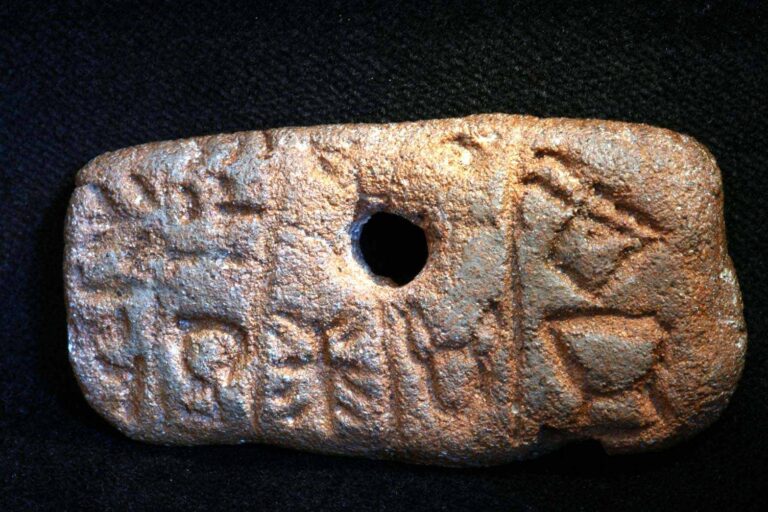
Unveiling the Akaki Roman Mosaic: Cyprus’s Unique Window into Ancient Chariot Races
Unveiling Akaki’s Roman Chariot Race Mosaic
The discovery of a 4th-century Roman mosaic in Akaki, near Nicosia, Cyprus, has sent ripples through the archaeological community. Measuring 36 feet (11 meters) in length and 13 feet (4 meters) across, this ancient wonder is the only mosaic of its kind ever found on the island—and one of just seven in the world to portray complete scenes of Roman chariot races with such vivid precision.
The Masterpiece: Artistry and Preservation
The fine tesserae—tiny stones and glass pieces—feature four charioteers, each piloting a quadriga (four-horse chariot), locked in high-speed competition. What sets this mosaic apart is not just its scale, but the remarkable preservation and craftsmanship displayed, with vibrant colors and lifelike movement frozen in time.
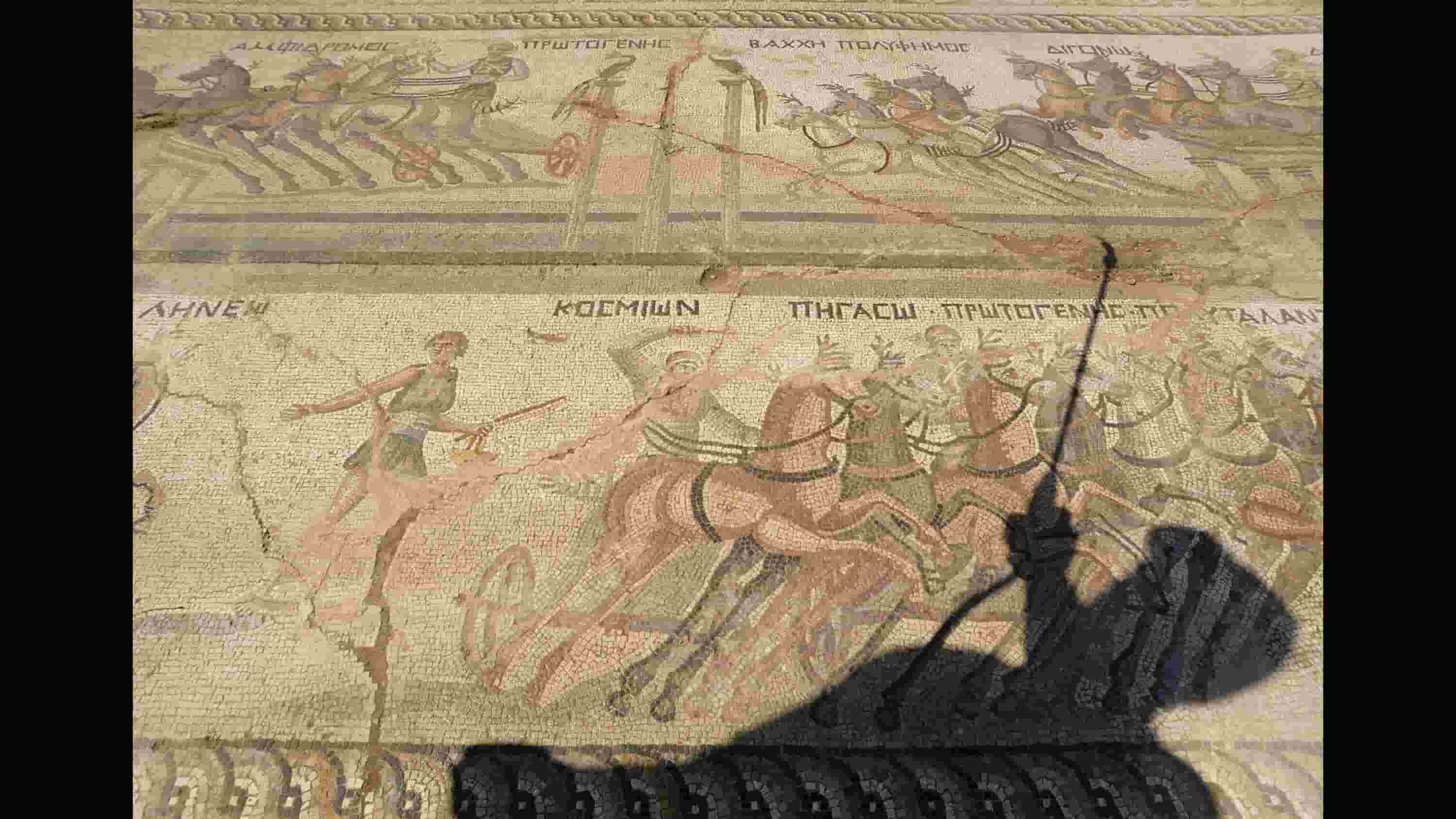
Each chariot is colored differently, symbolizing the famous racing factions of Rome: the Reds, Blues, Greens, and Whites. Members of these teams rallied with the passion of modern sports fans, giving the race both local and imperial significance.
Social and Political Significance of Roman Chariot Racing
The depiction in Akaki uncovers more than just a sporting event—it illustrates a major aspect of ancient Roman society. Chariot racing was wildly popular, mirroring the energy and fervor of today’s football rivalries. Factions weren’t just teams; they represented class, political allegiance, and collective identity.
The hippodrome, from the Greek “hippos” (horse) and “dromos” (course), was a grand public arena. For Romans, these races were a place for emperors to project power and for citizens to engage in raucous celebration and rivalry.
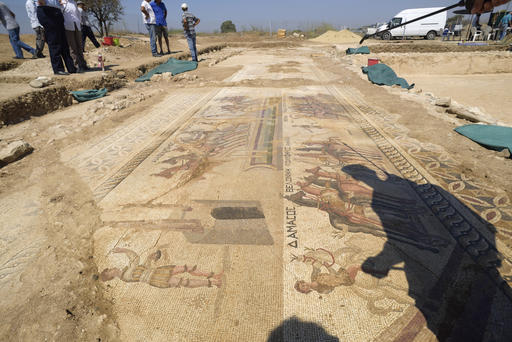
Mosaic Details: Stories in Stone
Experts have identified ancient Greek inscriptions within the mosaic, revealing the names of horses and their charioteers—a unique feature rarely preserved in such works. Additional details, such as steeple columns crowned with bronze dolphins (likely referencing the starting gates of a hippodrome), beside temples, pedestrians, and horses, create a three-dimensional snapshot of ancient spectacle.
Rarity and Global Importance
Globally, artworks capturing Roman chariot races in such detail are exceedingly rare, numbering just seven to nine examples worldwide. While mosaics often showcase isolated chariots or horses, full race scenes like Akaki’s are exceptional. The Cyprus find stands as an invaluable record, expanding our understanding of how Roman entertainment and social identity transcended the Mediterranean.
Comparison Table: Akaki Mosaic and Other Roman Chariot Race Mosaics
| Site | Location | Date | Full Race Scene | Unique Traits |
|---|---|---|---|---|
| Akaki | Cyprus | 4th century AD | Yes | Only example in Cyprus; vibrant colors, inscriptions |
| El Djem | Tunisia | 3rd century AD | Yes | Spectator details, partial preservation |
| Villa del Casale | Sicily, Italy | 4th century AD | Yes | Extensive audience, mosaic gallery |
A Villa of the Elite: Ownership and Status
Archaeologists believe the mosaic adorned a wealthy Roman villa, possibly the residence of a high-ranking magistrate or patron of the games. The villa’s size and luxurious decoration reflect the importance of Cyprus in the empire and its owner’s desire to showcase sophistication and connection to Roman culture.
Conservation and Public Viewing
The mosaic was protected under layers of soil once used by a railway, briefly revealed then carefully reburied for restoration. Teams are now working meticulously, aiming to preserve and eventually display the masterpiece for future generations, though public viewing may be years away.
Legacy: The Enduring Power of Art
More than a relic, this mosaic is a testament to the power of visual storytelling, ancient engineering, and artistic ambition. It reminds us that even in the corners of the Roman empire, the spectacle of the chariot race captured hearts, symbolized community, and was immortalized in stone.
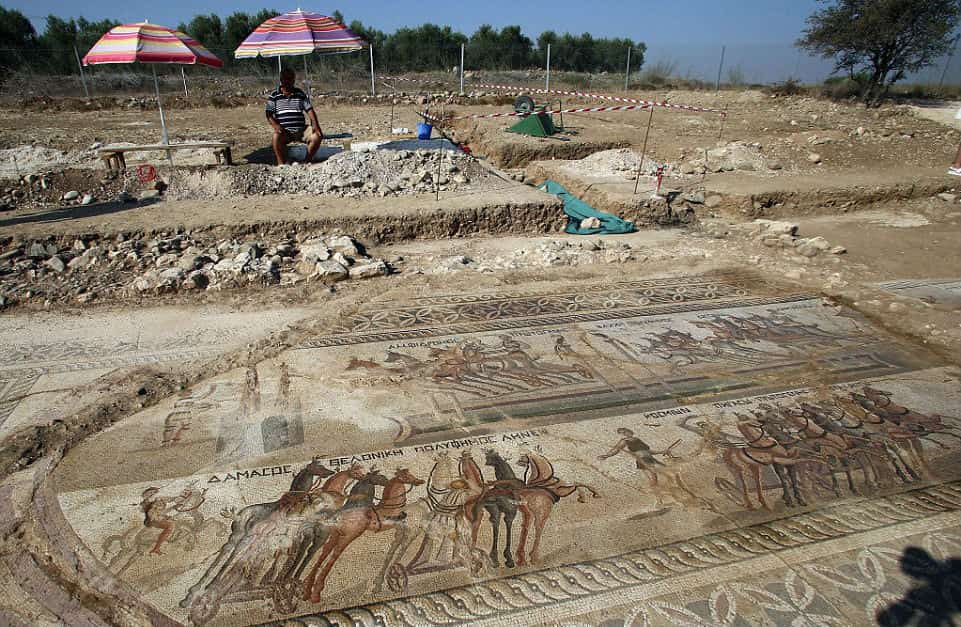
For Cyprus—long a crossroads between civilizations—the mosaic at Akaki underscores how deeply Roman culture penetrated the island, leaving behind artistic legacies that continue to inspire and inform today’s scholars and enthusiasts.
Key Takeaways for Researchers and Visitors
-
The Akaki mosaic’s preservation and completeness set it apart as a unique academic and tourism asset.
-
Rich artistic detail and historical context enrich our insights into Roman elite life and ancient entertainment.
-
The find highlights Cyprus’s significance in antiquity, offering new angles for research and storytelling.
-
Anticipation grows for the restored mosaic’s public exhibition and its role in reviving ancient spectacle for modern audiences.
ALSO READ: Discover the Captivating Polish Pyramids in Wietrzychowice: Central Europe’s Prehistoric Marvel