The 1908 Discovery of Pharaoh Menkaure’s Statues
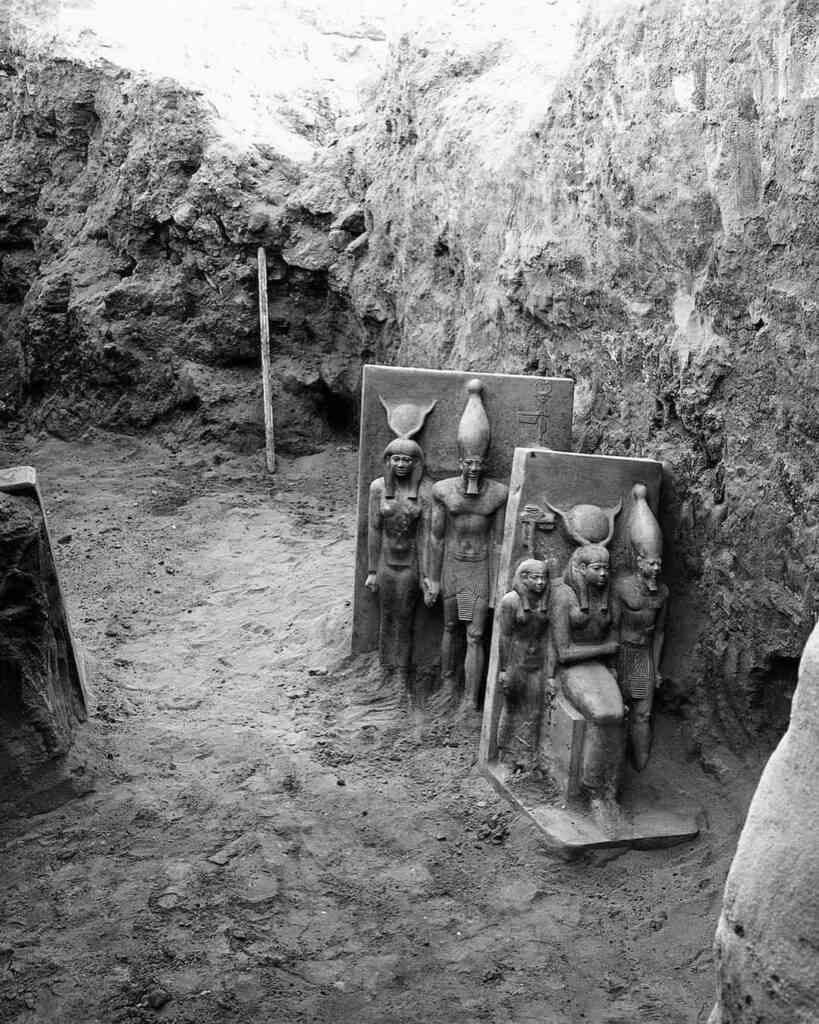
In 1908, a team of archaeologists made one of the most significant finds in the history of Egyptology: a collection of nearly untouched statues of Pharaoh Menkaure, hidden beneath the sands of Giza for over 4,500 years. These sculptures, masterfully carved by ancient Egyptian craftsmen, offered a rare glimpse into the artistry, religious beliefs, and royal power of one of Egypt’s most influential rulers. The discovery not only illuminated the legacy of Menkaure but also deepened our understanding of the symbolism and spiritual significance embedded in ancient Egyptian art.
Who Was Pharaoh Menkaure?
Menkaure, also known as Mykerinos, was the fourth king of the Fourth Dynasty of ancient Egypt, reigning around 2532–2503 BCE. He is best known for commissioning the smallest of the three Great Pyramids at Giza, a monument that stands as a testament to his ambition and the advanced engineering skills of his era. Unlike his predecessors, Menkaure’s reign is often associated with a more humanistic approach to kingship, reflected in the softer, more naturalistic style of his statues.
Menkaure’s pyramid, though smaller than those of Khufu and Khafre, is notable for its intricate mortuary temple and the exquisite craftsmanship found within. The discovery of his statues in 1908 provided tangible evidence of his influence and the reverence he commanded in ancient Egyptian society.
The 1908 Excavation: Unearthing Hidden Treasure
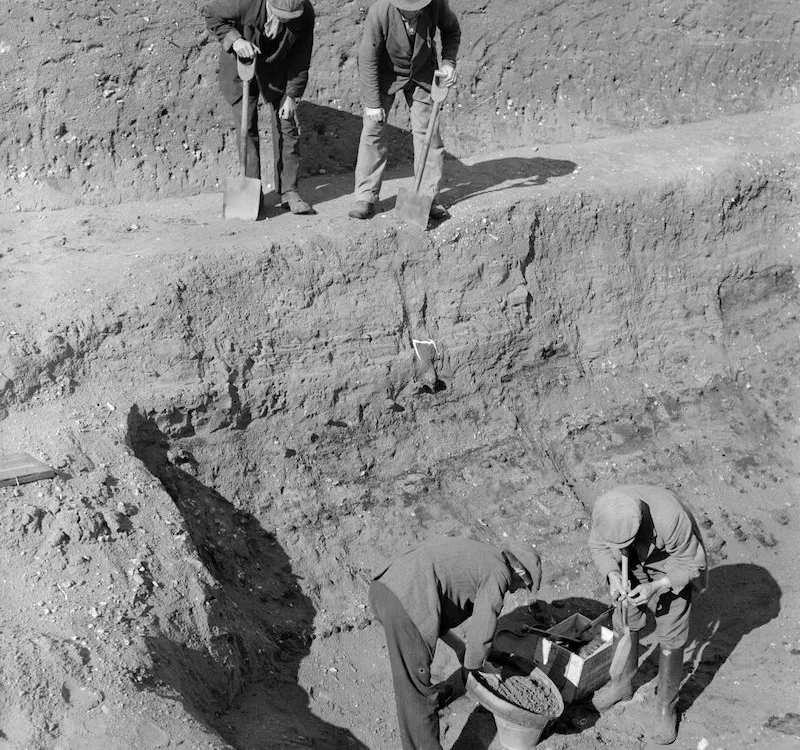
The excavation that led to the discovery of Menkaure’s statues was conducted by a team led by the renowned American archaeologist George Reisner. Working in the valley temple adjacent to Menkaure’s pyramid, the team uncovered a series of statues that had been carefully buried, likely to protect them from looters and the ravages of time.
Among the finds were several triads—statues depicting Menkaure standing alongside two goddesses. The most famous of these triads features Menkaure flanked by Hathor, the goddess of love, motherhood, and fertility, and a regional goddess representing the nome (province) of Sesheshet. These triads were not merely decorative; they were deeply symbolic. Representing the pharaoh’s divine right to rule and his connection to both the gods and the land of Egypt.
Artistic Mastery and Symbolism
The statues of Menkaure are celebrated for their exquisite detail and lifelike quality. Crafted from graywacke, a hard stone that was difficult to work with, the sculptures showcase the skill and precision of ancient Egyptian artisans. Menkaure is depicted in a traditional pose. Striding forward with one foot, his arms at his sides, and his gaze fixed ahead. His facial features are rendered with remarkable realism, capturing the individuality of the pharaoh.
Hathor, the goddess of love and motherhood. Is shown with the head of a cow or wearing a headdress with cow horns and a sun disk. Her presence in the triads symbolizes the nurturing and protective aspects of the divine. Emphasizing Menkaure’s role as a benevolent ruler. The regional goddess, often identified as the personification of a nome. Represents the unity and prosperity of Egypt under Menkaure’s reign.
The triads also highlight the concept of divine kingship, a central tenet of ancient Egyptian religion. By standing alongside the goddesses, Menkaure portrays himself as a mediator between the gods and the people. Ensuring the continued favor of the divine and the stability of the kingdom.
The Significance of the Discovery
The 1908 discovery of Menkaure’s statues was groundbreaking for several reasons. First, it provided a wealth of information about the artistic and religious practices of the Old Kingdom period. The statues offered insights into the techniques used by ancient Egyptian craftsmen. As well as the symbolic meanings behind their work.
Second, the discovery shed light on the role of women in ancient Egyptian society. The inclusion of goddesses in the triads underscores the importance of female deities in the religious and political life of Egypt. Hathor, in particular, was a powerful figure, associated with fertility, protection, and the afterlife.
Finally, the statues of Menkaure serve as a reminder of the enduring legacy of ancient Egypt. Despite the passage of thousands of years, these sculptures continue to captivate and inspire. Offering a window into a civilization that has left an indelible mark on human history.
The Mysteries of the Sands
The discovery of Menkaure’s statues raises intriguing questions about what other secrets the sands of Giza might still hold. The ancient Egyptians were meticulous in their burial practices. Often concealing valuable artifacts and treasures to protect them from tomb robbers. As modern technology advances, new tools such as ground-penetrating radar and satellite. Researchers are using imaging to explore the hidden chambers and tunnels beneath the pyramids.
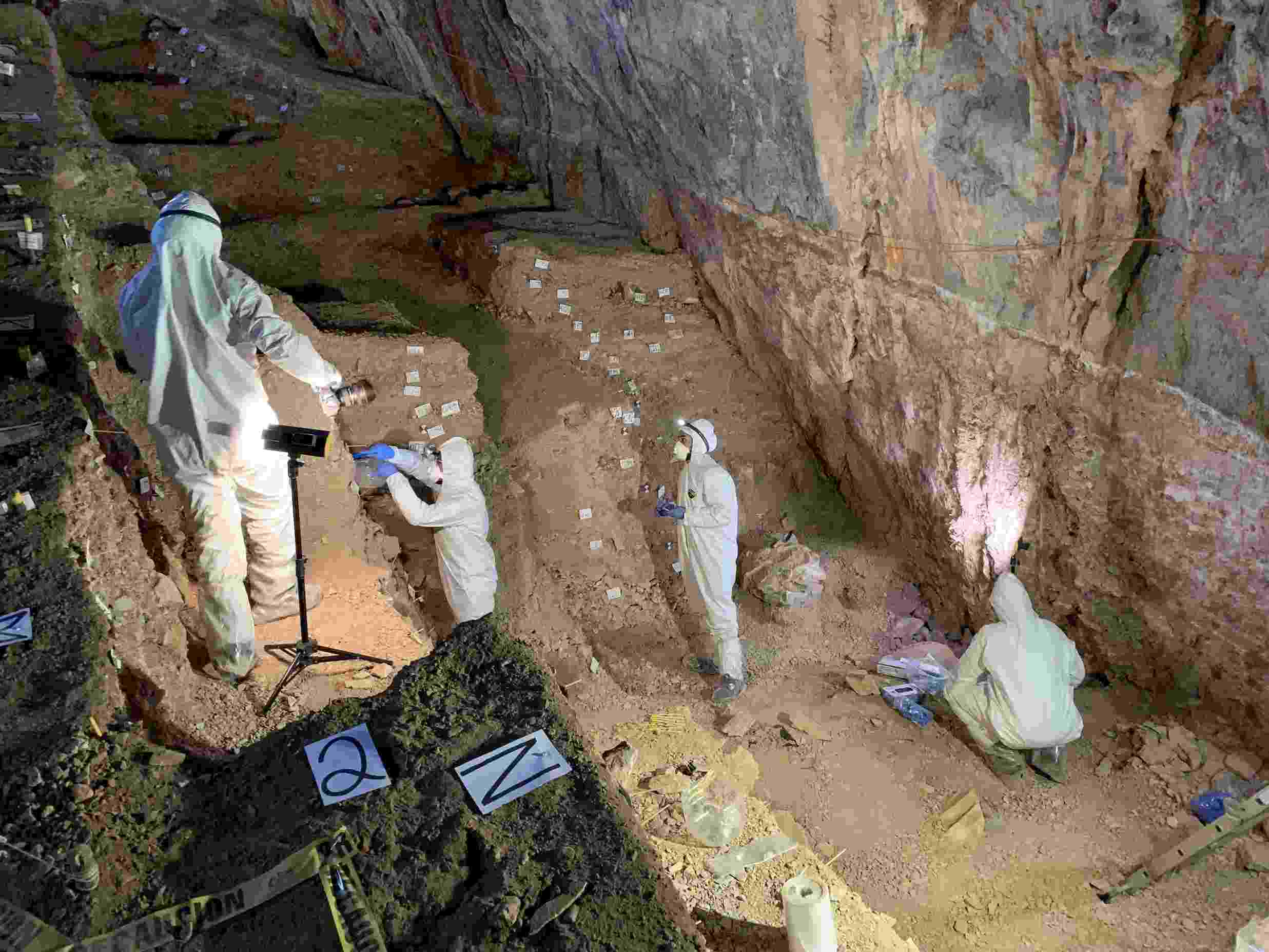
Archaeologists continue to search for undiscovered tombs, hidden passages, and lost artifacts that could further illuminate the lives and beliefs of ancient Egyptians. The sands of Giza, with their layers of history and mystery, remain a source of endless fascination and discovery.
Conclusion: A Legacy in Stone
The 1908 discovery of Pharaoh Menkaure’s statues beneath Giza. Stands as a testament to the enduring power of ancient Egyptian art and culture. These breathtaking sculptures, with their exquisite detail and profound symbolism. Offer a glimpse into the world of a ruler who shaped the destiny of his people. As we continue to explore the secrets of the sands, the legacy of Menkaure and his contemporaries lives on. Inspiring wonder and curiosity in all who encounter their timeless creations.
ALSO READ: Unearthing a Giant: The Prehistoric Discovery That Redefined Earth’s Scale of Life