The Enigmatic Fortress of Predjama
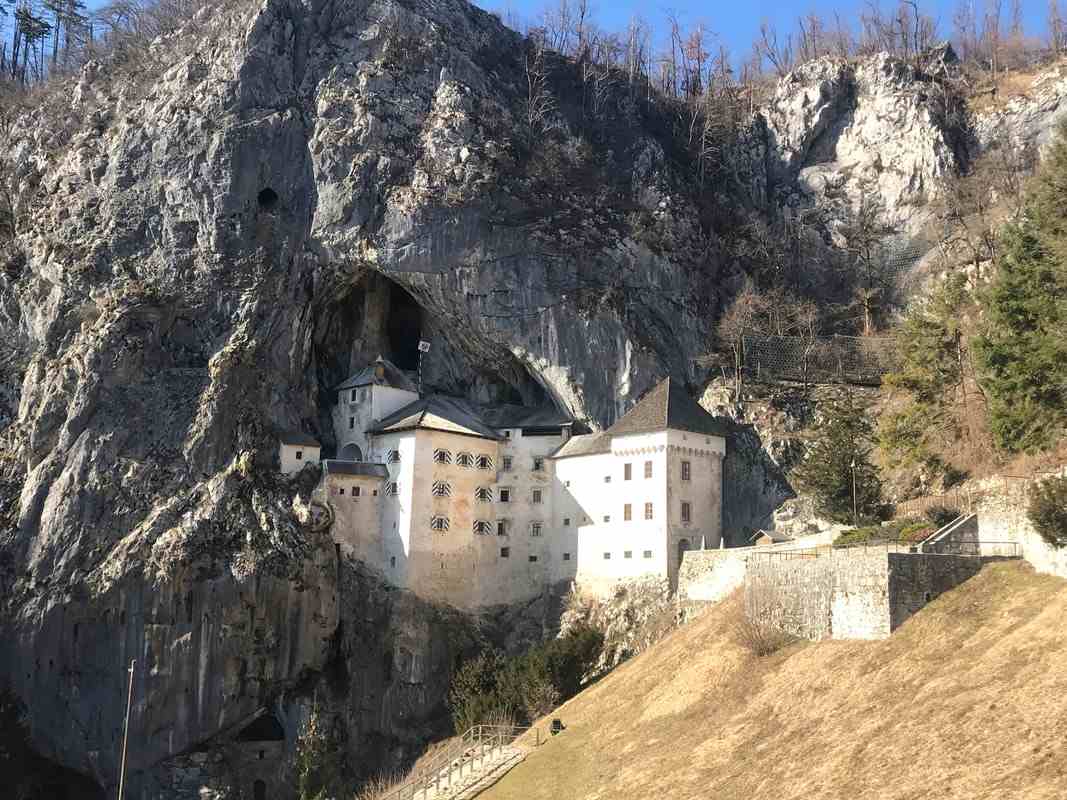
Rising defiantly from the face of a 123-meter-high limestone cliff in southwestern Slovenia, Predjama Castle is one of the world’s most dramatic architectural wonders. For more than 800 years, it has stood half-hidden and half-revealed, blending effortlessly into the rugged karst landscape that surrounds it. The name “Predjama” literally translates to “in front of the cave,” perfectly describing its extraordinary structure—a castle built directly into the mouth of a mountain cavern.
Located near the town of Postojna, just a short distance from the famous Postojna Cave, Predjama Castle has captured imaginations for centuries. Its ingenious design, combining natural and man-made fortifications, made it nearly impregnable in medieval times. Yet its legend is as captivating as its architecture—woven with tales of rebellion, romance, and relentless siege.
Among these tales, none is more enduring than that of Erasmus of Lueg, the infamous robber baron who defied imperial powers and turned this hidden cliff fortress into his stronghold. His exploits and daring escape routes still echo through the tunnels that run behind the castle’s walls.
A Castle Embedded in Stone
Predjama Castle’s aesthetic charm lies in the way it fuses seamlessly with the cave system behind it. The structure appears to be part of the cliff itself, an architectural masterpiece that utilizes natural rock formations as reinforcement.
The first documented mention of the castle dates back to 1274, when it was owned by the Patriarch of Aquileia. Its strategic location allowed control over the region’s trade routes, making it both a military fortification and a noble residence. The original Gothic structure was modified multiple times over the centuries, most significantly during the Renaissance, resulting in the hybrid style seen today—a mix of medieval defense and Renaissance elegance.
The castle’s façade conceals a labyrinth of hidden passages and chambers, carved deep into the rock. These secret tunnels not only provided concealment during attacks but also linked to the vast cave system that stretches more than 13 kilometers below the surface. The fortress could thus withstand long sieges, thanks to concealed supplies and a secret passageway leading to the outside world.
The Legend of Erasmus of Lueg: The Robber Baron
No account of Predjama Castle is complete without the story of Erasmus of Lueg (Erazem Lueger), the most notorious inhabitant of this remarkable fortress. According to legend, Erasmus was a knight who fell out of favor with the Habsburg emperor in the 15th century after killing a relative of Emperor Frederick III during a dispute.
Branded an outlaw, Erasmus fled to Predjama Castle, which became his rebellion headquarters and refuge. From this lofty stronghold, he continued to raid imperial estates and merchant convoys, earning a reputation as a fearless robber baron. His knowledge of the terrain and mastery of the tunnel network allowed him to evade capture time and again.
Even while under siege by imperial forces, Erasmus managed to mock his enemies by sending them fresh cherries in the middle of winter. The act was possible because of a hidden passage that led from the back of the cave to the open countryside, through which his allies could smuggle goods and messages.
However, legend also tells of betrayal. After a prolonged siege, one of his servants allegedly betrayed Erasmus’ location in the lavatory—a spot vulnerable to attack. A cannonball struck its mark, ending his life dramatically and cementing his story in local folklore.
Architecture and Design: Nature Meets Fortification
Predjama Castle is a masterpiece of adaptive engineering. Instead of being built on flat land or a hilltop, its foundations rest partly on rock and partly within a massive cave mouth. This unique positioning provided natural insulation, protection, and strategic advantage over would-be attackers below.
The castle spans multiple levels:
-
The lower levels contain storage rooms, stables, and defensive positions once used by guards.
-
The middle floors served as living quarters, including the dining hall and sleeping chambers.
-
The upper sections, partly carved into the cave, contained the hidden tunnels, observation points, and the secret escape routes that linked with the internal cave system.
Ventilation and drainage were ingeniously managed through natural fissures in the limestone, ensuring habitability even during long sieges. Many of the castle’s original stone stairways, wooden beams, and iron fixtures are still intact, giving modern visitors a sense of authentic medieval life
The Marvel of the Cave System Behind Predjama
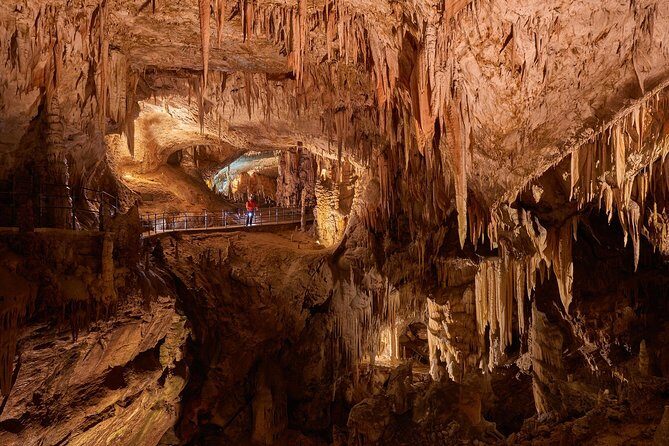
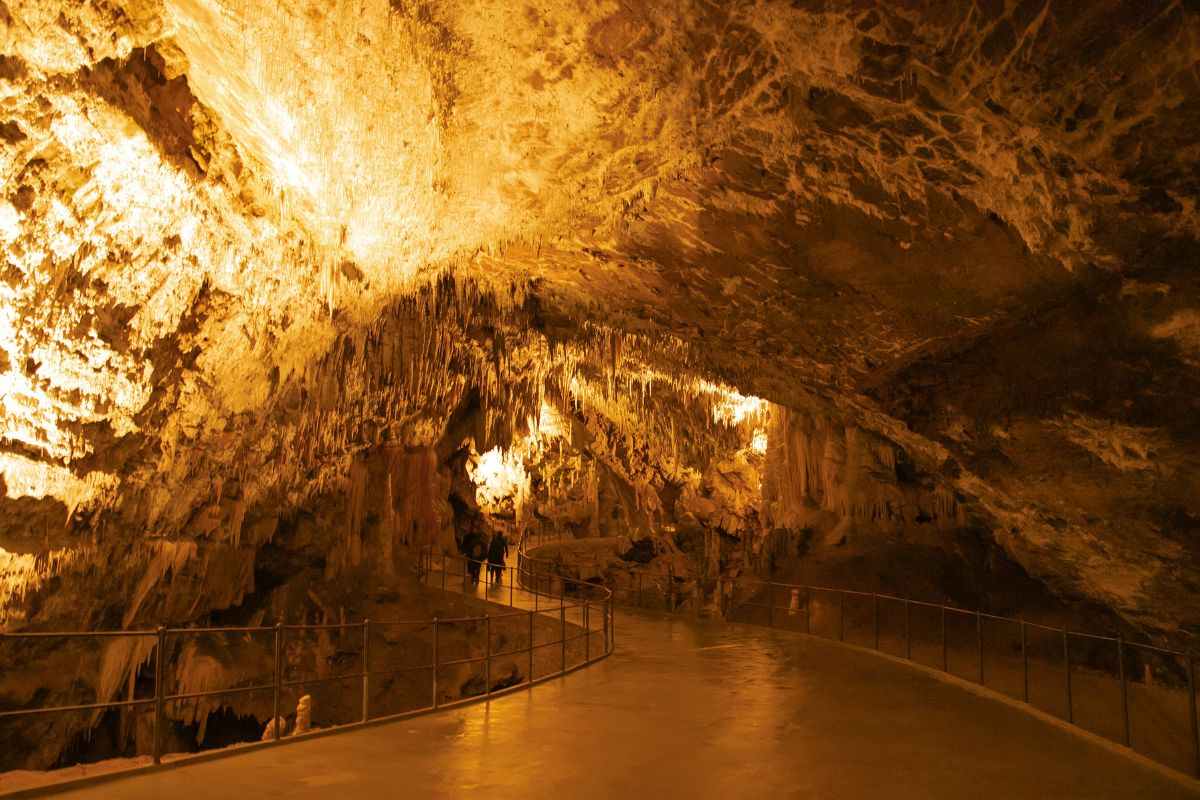
Behind the castle extends the Predjama Cave, part of an extensive karst network typical of southern Slovenia. The natural cave system provided the perfect defensive advantage. Its narrow passages and vertical shafts made it nearly impossible for attackers to penetrate.
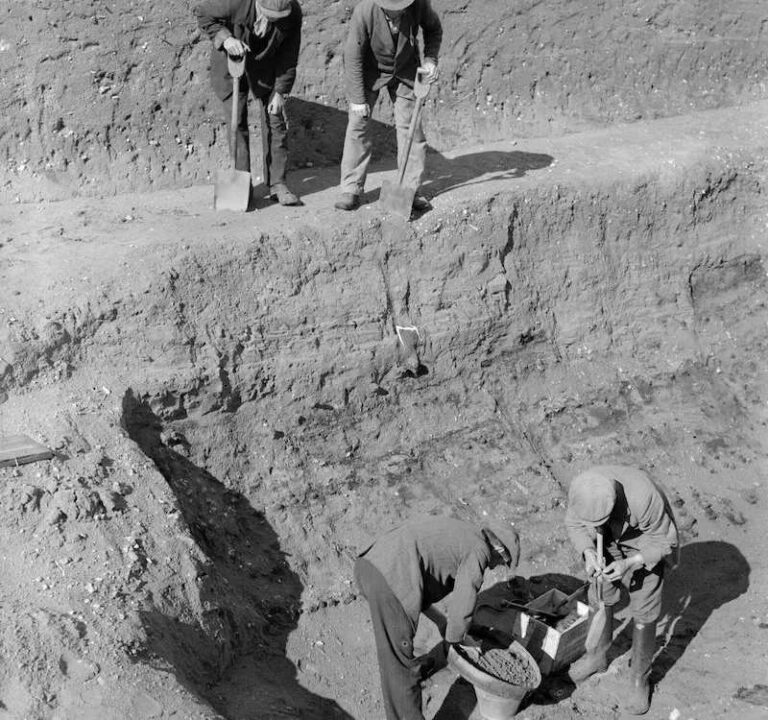
Archaeologists have discovered that parts of the cave were inhabited even in prehistoric times, offering evidence of Stone Age shelter and Iron Age artifacts. During the medieval period, the cave became an essential part of the castle’s design—a natural fortress within a fortress.
The exit of the main tunnel was cleverly concealed high above the surrounding valley. This allowed Erasmus and his followers to escape unnoticed, resupply the castle, or launch surprise raids. Today, visitors can explore a portion of these underground chambers, which remain cool and damp, echoing with the whispers of history.
Restoration, Preservation, and Modern Recognition
Predjama Castle has undergone several restorations and consolidations to preserve its structure against erosion and the passage of time. The Habsburgs first ordered major rebuilding in the 16th century after earlier damage from both sieges and natural decay. These renovations introduced Renaissance architectural features—arched windows, decorative elements, and improved living spaces—without compromising the fortress’s defensive core.
In the 20th century, conservation efforts focused on stabilizing the rock face and protecting interior frescoes and wooden elements. Today, Predjama Castle is managed as part of Slovenia’s Postojna Cave Park, allowing visitors to experience both above-ground and underground marvels within a single cultural route.
The castle has earned recognition by the Guinness World Records as the largest cave castle in the world, underscoring its global significance.
Visiting Predjama Castle Today
Predjama Castle is open year-round, offering guided tours that vividly bring its rich past to life. Visitors can walk through authentically preserved medieval rooms, explore the secret passages, and peer through narrow arrow slits that once watched over approaching troops.
Highlights include:
-
Erasmus’ living quarters, featuring period furnishings and displays of medieval armor.
-
The castle dungeon, which reveals the harsh realities of medieval justice.
-
The upper cave passages, open during summer months, where explorers can follow Erasmus’ fabled escape route.
-
The viewing terrace, providing panoramic views of the surrounding valley and lush Slovenian countryside.
The site also hosts annual medieval festivals, complete with jousting, reenactments, and music, reenlivening the legends and lifestyles of a bygone era.
Nearby attractions include the Postojna Cave, famous for its underground train and luminous stalactites, and the Vilenica Cave, both adding to the area’s reputation as one of Europe’s most intriguing karst landscapes.
The Legacy of Predjama: Between Legend and History
Predjama Castle is more than a monument of stone. It is a living symbol of resilience, cunning, and the human instinct for survival. It embodies the genius of engineers who used nature as an ally. And the spirit of defiance embodied by figures like Erasmus of Lueg.
In its fusion of natural and built environments, Predjama stands as a marvel of medieval architecture harmonized with geology. The stories it holds bridge the realms of myth and history. Reminding us that the past often hides within the folds of the earth itself.
For travelers seeking beauty combined with a touch of mystery, few places offer such an experience. The sight of Predjama Castle rising from the cliff face—half fortress, half mountain. Captures the imagination and leaves an indelible mark on everyone who beholds it.
ALSO READ: The Tower of Jericho: The World’s Oldest Stone Monument and Its Mysterious Purpose