Tlaloc: The Aztec Rain God and His Ancient Mesoamerican Legacy
The Power of Rain in Mesoamerican Civilizations
In the mythology of ancient Mesoamerica, few deities were as vital as Tlaloc, the Aztec rain god. Responsible for providing life-giving rains and controlling water, Tlaloc was central to agriculture, religious rituals, and cultural identity throughout central Mexico. His worship reflects the profound dependence of early civilizations on seasonal rains, rivers, and lakes, and the fear of drought or flood.
The imagery and cult of Tlaloc are not unique to the Aztecs. Archaeological evidence suggests that representations of rain gods date back to the Teotihuacán culture (3rd–8th century AD), centuries before the rise of the Aztec Empire. Through centuries, Tlaloc remained a potent symbol of fertility, power, and divine influence.
Origins: Tlaloc in Teotihuacán Culture
1. Early Representations
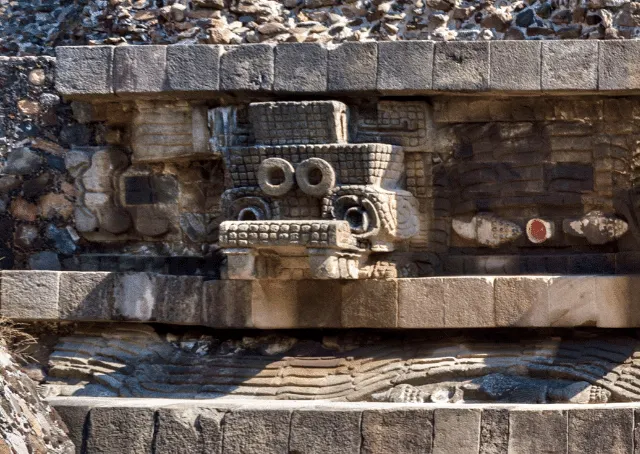
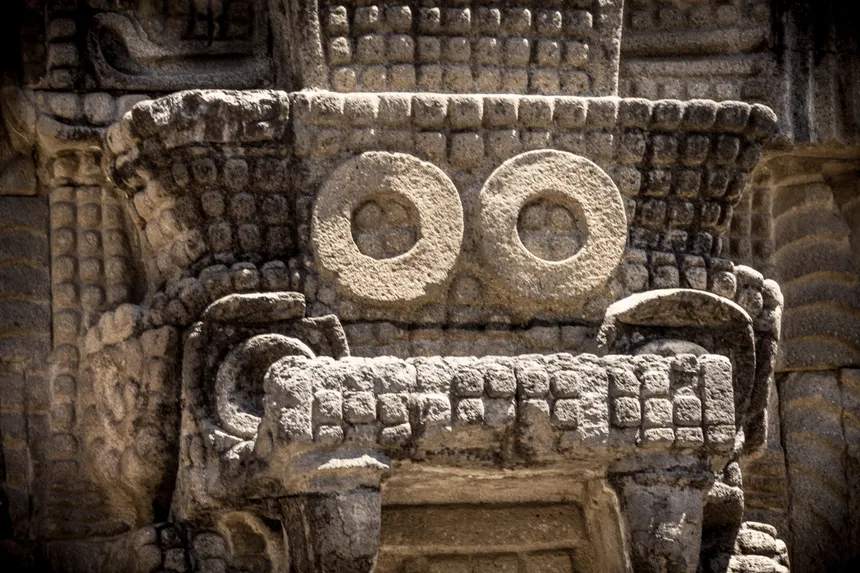
Archaeologists have uncovered depictions of rain gods wearing peculiar masks with large round eyes and long fangs in the highlands of central Mexico. These images date at least to the Teotihuacán civilization, between the 3rd and 8th centuries AD.
The mask-like visage of Tlaloc may have functioned as both a ritual object and a symbolic representation of divine power, highlighting the human desire to understand and control natural forces.
2. Connection to the Maya Rain God Chac
Tlaloc’s iconography bears a striking resemblance to Chac, the rain god of the Maya civilization. Both deities feature:
-
Large, round eyes
-
Pronounced fangs
-
Associations with storms, rainfall, and agricultural fertility
This similarity suggests either cultural exchange or parallel religious development between Mesoamerican civilizations, reflecting shared environmental challenges and spiritual responses.
Tlaloc in Aztec Religion
1. Widespread Worship
By the 14th century, during the height of the Aztec Empire, Tlaloc’s cult had spread throughout central Mexico. He was one of the most important gods, alongside Huitzilopochtli, the sun and war deity.
Tlaloc’s worship involved:
-
Sacred temples, often situated on mountaintops to be closer to the heavens
-
Rituals to ensure rains, including offerings, prayers, and ceremonial dances
-
Sacrifices, ranging from animals to, in certain contexts, humans, intended to appease the god and secure favorable weather
2. Tlaloc’s Temples
The most famous Tlaloc temple was located on the Great Temple of Tenochtitlan, where he occupied one side of the dual temple complex. The Aztecs believed that Tlaloc resided in the mountainous realms of the heavens, controlling clouds, storms, and water sources.
Iconography and Symbolism
Tlaloc’s distinct appearance helped devotees recognize and honor him:
-
Mask-like Face: The signature mask, with round eyes and long fangs, symbolizes both the life-giving and destructive aspects of rain.
-
Water and Lightning Motifs: Often depicted with water symbols on his body or holding lightning, Tlaloc represents the duality of nature — nurturing yet potentially dangerous.
-
Ceremonial Headdress and Attire: Elaborate headdresses signify divine authority, while clothing details may indicate his connections to specific rituals or calendrical functions.
1. Connection to Agriculture
Tlaloc was closely tied to fertility and agriculture, particularly maize cultivation. Rainfall, controlled by the god, was critical for food production. Communities performed rituals during planting and harvest seasons to honor Tlaloc and ensure bountiful crops.
2. The Duality of Life and Death
While Tlaloc was a provider of life, he also wielded the power to destroy through storms, floods, and droughts. This duality was central to his worship, reflecting the Aztec worldview that gods were both benevolent and fearsome.

Tlaloc in the Aztec Divinatory Calendars
Tlaloc’s importance extended to the divinatory systems of the Aztecs. In the tonalpohualli (260-day ritual calendar):
-
Tlaloc was the eighth ruler of the days
-
He was also considered the ninth lord of the nights
This placement underscores his dual influence over both time and cosmic cycles, linking meteorological patterns with agricultural and spiritual practices. The calendars guided ritual activities, ensuring that ceremonies to Tlaloc were timed for maximum effect.
Rituals and Offerings
1. Water and Fertility Ceremonies
Rituals dedicated to Tlaloc often involved water-related offerings, such as:
-
Pools or containers of water placed on altars
-
Ceremonial rain dances and music
-
Agricultural ceremonies to encourage crop growth
2. Sacrificial Practices
In certain contexts, sacrifices were performed to appease Tlaloc, particularly during droughts or times of crisis. These offerings could include:
-
Small animals, such as birds or frogs
-
Human offerings, often children, symbolizing innocence and life-giving potential
These practices reflect the deep reverence and fear with which the Aztecs approached their rain deity.
Comparative Mythology: Tlaloc and Other Rain Gods
Tlaloc is part of a broader Mesoamerican tradition of rain deities, including:
-
Chac (Maya): Shares iconography and function with Tlaloc, controlling rainfall and storms.
-
Cocijo (Zapotec): Another rain god with lightning and water associations.
These parallels demonstrate that rain gods were central across Mesoamerica, reflecting the region’s dependence on seasonal precipitation and agricultural fertility.
Legacy and Influence
Tlaloc’s influence persisted beyond the fall of the Aztec Empire:
-
Colonial Accounts: Spanish chroniclers documented Tlaloc’s worship and the temples dedicated to him.
-
Modern Cultural References: Tlaloc appears in Mexican folklore, art, and literature, often as a symbol of natural power and ancestral heritage.
-
Archaeological Importance: Sites like Teotihuacán and Tenochtitlan provide crucial evidence of Tlaloc’s worship and his role in ancient Mesoamerican society.
Conclusion: Tlaloc as a Symbol of Nature’s Power
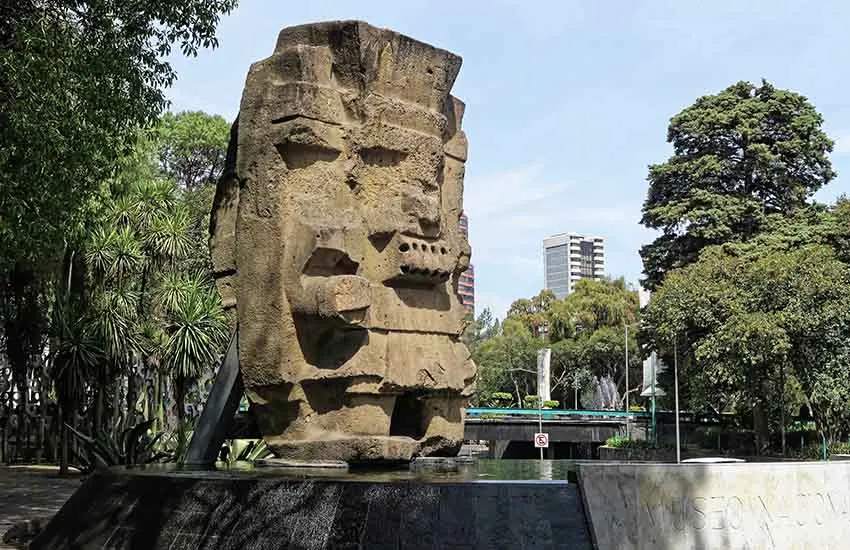
Tlaloc, the Aztec rain god, embodies the complex relationship between humans and nature. From his origins in Teotihuacán to his central role in Aztec society, Tlaloc represented both fertility and destruction, life-giving rain and dangerous storms. His worship reflects the spiritual sophistication of Mesoamerican civilizations and their deep connection to environmental cycles.
Through ritual, iconography, and divinatory systems, Tlaloc remained a powerful symbol of divine authority, illustrating the timeless human need to understand and influence the natural world. His legacy endures in archaeology, art, and cultural memory, reminding us of the enduring significance of water, rain, and the deities who govern them.
ALSO READ: An 8th-Century Qur’ān Manuscript in Egypt: A Monument of Islamic Heritage