Monument in Liège, Belgium: Honoring Greek Soldiers of World War I
Tribute Across Nations
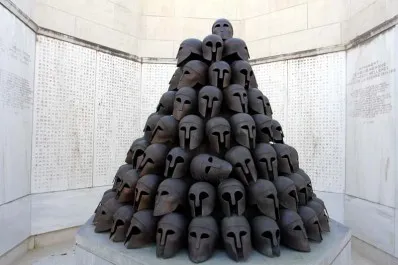
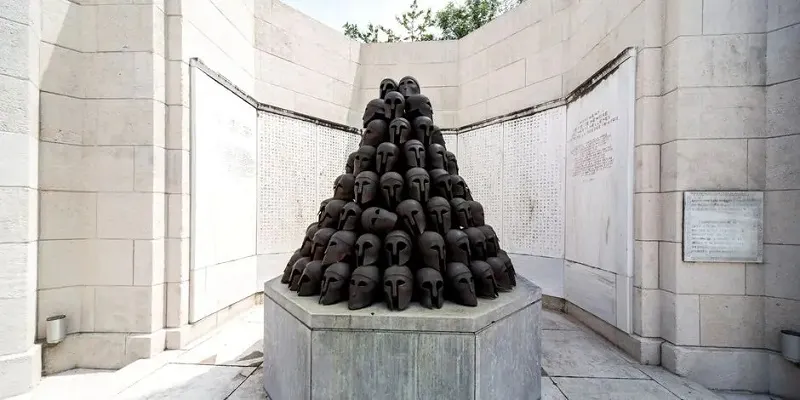
In the city of Liège, Belgium, stands a solemn monument dedicated to Greek soldiers who lost their lives during World War I. Unlike many war memorials, which depict soldiers in contemporary uniforms or battlefield scenes, this monument draws inspiration from ancient Greek art, stylized as Corinthian helmets, symbolizing bravery, honor, and the timeless virtues of the warrior.
The Liège monument not only commemorates the sacrifice of Greek soldiers but also reflects the broader European effort to acknowledge allied contributions during one of history’s deadliest conflicts. Its design links classical heritage with modern warfare, creating a lasting tribute that bridges history, culture, and memory.
Historical Context: Greek Soldiers in World War I
During World War I (1914–1918), Greece played a complex role in the European conflict. Initially neutral, Greece joined the Allies in 1917 following the National Schism between King Constantine I and Prime Minister Eleftherios Venizelos.
Greek forces fought alongside the Allies in the Macedonian Front, participating in operations in northern Greece, Serbia, and the broader Balkans. Many soldiers endured harsh conditions, including mountain warfare, disease, and supply shortages, making their service both challenging and heroic.
The monument in Liège honors these soldiers, acknowledging their courage, resilience, and contributions far from their homeland, while also symbolizing the unity of allied nations during the war.
Monument Design: Classical Inspiration
One of the most striking aspects of the Liège monument is its stylistic nod to ancient Greek helmets, specifically the Corinthian style, widely recognized from Greek art and sculpture.
1. Corinthian Helmets: A Symbol of Valor
The Corinthian helmet, with its distinctive full-face design and pronounced nose guard, became a powerful emblem of martial excellence and heroism in classical Greece. By adopting this design, the monument evokes:
-
Bravery and sacrifice, echoing the courage of Greek soldiers in WWI.
-
Cultural pride, linking modern military service to Greece’s storied martial heritage.
-
Timeless heroism, bridging ancient warriors and contemporary soldiers.
2. Artistic and Architectural Features
The monument features a series of sculpted helmets arranged in a stylized composition, creating a sense of unity and rhythm. The design emphasizes both individual valor and collective strength, reflecting the philosophy that courage and honor are shared virtues.
Materials used — typically bronze or stone — were chosen for durability and visual impact, ensuring the monument could withstand time and the elements while retaining its symbolic weight.
Commemoration and Ceremony
1. Honoring the Fallen
The monument serves as a focal point for commemorative ceremonies, particularly on:
-
Armistice Day (November 11), marking the end of World War I.
-
Greek national remembrance events, honoring soldiers abroad.
These ceremonies often involve dignitaries, military personnel, and descendants, ensuring that the sacrifices of Greek soldiers are recognized and remembered across generations.
2. Symbol of International Solidarity
Situated in Belgium, far from Greece, the monument also highlights the interconnected nature of Allied efforts during World War I. By honoring Greek soldiers on Belgian soil, it demonstrates that the impact of their service transcended national boundaries, forging bonds between nations united against aggression.
Artistic and Cultural Significance
The Liège monument stands at the intersection of art, history, and memory:
-
Artistic Merit: Its design integrates classical Greek motifs with 20th-century memorial architecture, creating a visually striking tribute.
-
Historical Narrative: The monument contextualizes Greece’s role in WWI, connecting local Belgian history with international military contributions.
-
Cultural Memory: It reinforces Greek national identity while acknowledging the sacrifices made on foreign soil, serving as a cultural bridge between nations.
By invoking classical imagery, the monument transcends time, reminding viewers that valor and sacrifice are enduring human qualities.
Location and Visitor Experience
Located in Liège, a city known for its rich history and architectural heritage, the monument is accessible to both locals and international visitors. Its placement in a prominent area ensures visibility and encourages reflection.
Visitors to the monument often experience:
-
Historical context panels, explaining Greece’s role in WWI.
-
Guided tours, highlighting the design, symbolism, and artistry.
-
Ceremonial gatherings, where wreaths and tributes are laid.
The site thus functions not only as a memorial but also as an educational and cultural landmark, connecting people with the shared history of Europe and Greece.
The Broader Significance of War Memorials
War memorials like the Liège monument serve several critical purposes:
-
Commemoration: They honor those who gave their lives in service, ensuring that their sacrifice is remembered.
-
Education: They teach visitors about the historical events, alliances, and conflicts that shaped the modern world.
-
Cultural Continuity: By referencing classical motifs, the monument connects contemporary society with historical identity and values.
-
Reflection and Reconciliation: Memorials provide a space to contemplate the human cost of war, promoting peace and understanding.
In the case of the Liège monument, its classical design also emphasizes the timeless nature of courage and honor, offering lessons that remain relevant today.
Conclusion: A Lasting Tribute
The Monument in Liège, Belgium, honoring Greek soldiers who died during World War I, is more than a commemorative sculpture — it is a bridge between eras, cultures, and nations. Through its Corinthian helmet design, it pays homage to Greece’s rich military heritage while honoring the modern courage of WWI soldiers.
Standing in Liège, the monument reminds us that valor transcends borders, and that the sacrifices of individuals can resonate across time and space. It continues to inspire visitors, historians, and citizens, embodying the enduring values of honor, bravery, and international solidarity.
By preserving the memory of Greek soldiers on Belgian soil, this monument ensures that their legacy — like the timeless design of the Corinthian helmet — remains forever visible, forever respected.
ALSO READ: Viking-Era Silver Treasure and Ancient Farm Unearthed in Täby, Sweden