Explore the Ancient Inca Ruins at Isla del Sol, Bolivia
A Sacred Island in Lake Titicaca
Nestled in the crystal-clear waters of Lake Titicaca, Bolivia, Isla del Sol—or the “Island of the Sun”—is home to some of the most remarkable Inca ruins in South America. Revered as a sacred site by the ancient Inca civilization, the island is believed to be the birthplace of the sun god Inti, one of the most important deities in Inca cosmology.
For centuries, Isla del Sol has drawn pilgrims, historians, and travelers alike, offering an immersive experience into the spiritual and architectural legacy of the Inca Empire. Today, visitors can explore well-preserved temples, terraces, stairways, and ancient dwellings that provide a glimpse into a civilization that once ruled vast regions of South America.
The History of Isla del Sol
According to Inca mythology, Isla del Sol is considered the origin of the Inca civilization, where Manco Cápac and Mama Ocllo, the legendary first Inca rulers, emerged from the depths of Lake Titicaca to establish the kingdom of Cusco. This story highlights the island’s cultural and religious significance, making it a focal point of spiritual life for the Incas.
Archaeological evidence suggests that the island was continuously inhabited by pre-Inca cultures before the rise of the Inca Empire, with settlements dating back over 1,000 years. The Inca later expanded these settlements, constructing terraces, temples, and ceremonial plazas that reflect their architectural mastery and deep reverence for the natural environment.
Key Inca Ruins on Isla del Sol
1. The Pilko Kaina Temple
One of the most iconic sites on Isla del Sol is the Pilko Kaina Temple, situated on the southern tip of the island. This structure was dedicated to Inti, the sun god, and served as a ceremonial center for offerings and rituals.
The temple features classic Inca stonework, including precisely carved stones without the use of mortar, showcasing the engineering skills and aesthetic precision that made Inca architecture so enduring. Its elevated location offers breathtaking views of Lake Titicaca, linking the spiritual significance of the site with the natural landscape.
2. The Chincana Complex
The Chincana, often referred to as the “labyrinth,” is a large, mysterious stone complex located near the northern part of Isla del Sol. The structure includes terraces, stairways, rooms, and passageways, suggesting it may have served multiple purposes—religious, residential, or administrative.
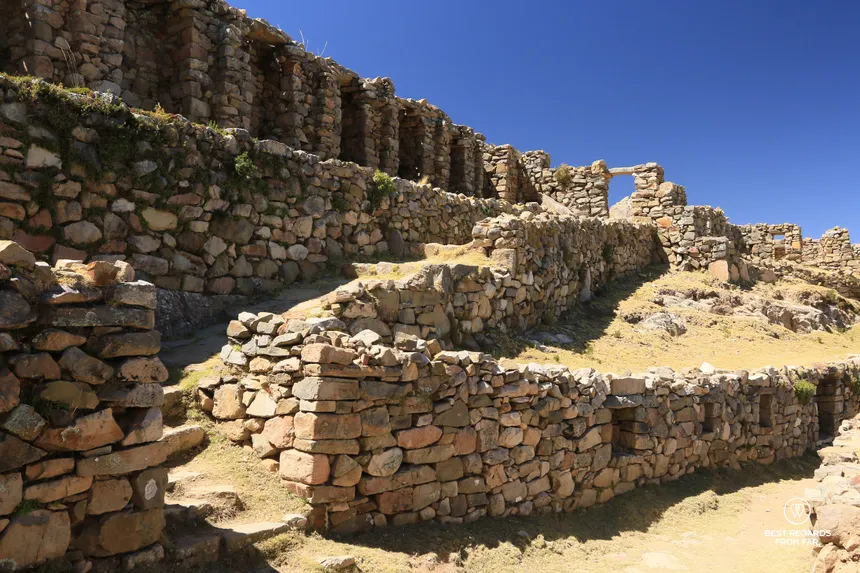
The complexity of the Chincana demonstrates the Incas’ urban planning skills, as it integrates the natural contours of the island while maintaining harmony with the surrounding environment.
3. Sacred Rock and Pilgrimage Sites
Throughout Isla del Sol, visitors can find numerous sacred rocks and ritual altars, many aligned with solar events. These sites were used for offerings, ceremonies, and astronomical observations, reflecting the Incas’ sophisticated understanding of the sun, moon, and seasonal cycles.
Some rocks are carved into specific shapes, possibly representing deities, animals, or cosmological symbols, underscoring the spiritual depth of Inca architecture and art.
Agricultural Terraces and Water Management
Beyond temples and ceremonial sites, the Incas were also master agricultural engineers. Isla del Sol features extensive stone terraces that allowed the cultivation of crops on steep slopes. These terraces prevented soil erosion, maximized arable land, and created microclimates suitable for growing potatoes, quinoa, and other Andean staples.
Additionally, the Incas developed sophisticated water management systems, including channels and cisterns, ensuring a reliable water supply and reflecting their advanced understanding of sustainable agriculture.
Cultural and Spiritual Significance
For the Inca, Isla del Sol was more than a settlement; it was a pilgrimage destination where people gathered to honor the sun god and seek spiritual guidance. The island served as a ritual hub, linking human life to the rhythms of the natural world.
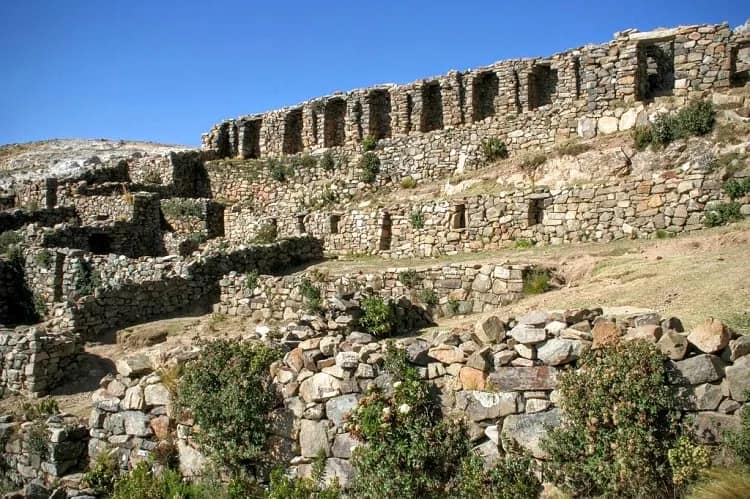
Even today, Isla del Sol retains cultural significance for local Aymara communities. Who continue traditional ceremonies and festivals on the island, maintaining a living connection to their ancestral heritage.
Visiting Isla del Sol Today
Travelers to Isla del Sol can experience a combination of history, culture, and natural beauty. Most visitors arrive by boat from Copacabana, Bolivia, and follow well-marked walking trails to explore the northern and southern ruins. Guided tours provide insights into the legends, architecture, and rituals associated with each site.
Highlights of a visit include:
-
Climbing the stairways of Pilko Kaina for panoramic views of Lake Titicaca.
-
Exploring the Chincana labyrinth, imagining its role in Inca religious practices.
-
Observing the sacred rocks and astronomical alignments, particularly during solstices and equinoxes.
-
Walking along ancient terraces and pathways that reveal the ingenuity of Inca agriculture and urban planning.
Conservation and Preservation Efforts
The Inca ruins of Isla del Sol are part of Bolivia’s protected cultural heritage. Efforts are ongoing to preserve the fragile stone structures, prevent erosion, and manage tourism sustainably. Archaeologists work with local communities to ensure that traditional knowledge and rituals are respected while enabling researchers to study and document the site.
Preservation is particularly important given the island’s exposure to weathering, high-altitude climate, and human traffic. Responsible tourism is key to maintaining the authenticity and spiritual significance of the ruins for future generations.
Why Isla del Sol Is a Must-See Destination
Isla del Sol offers a unique combination of archaeology, mythology, and breathtaking scenery. Unlike larger, more crowded Inca sites like Machu Picchu, the island provides a more intimate experience. Allowing visitors to explore the ruins at their own pace while connecting with the natural and spiritual essence of the Andes.
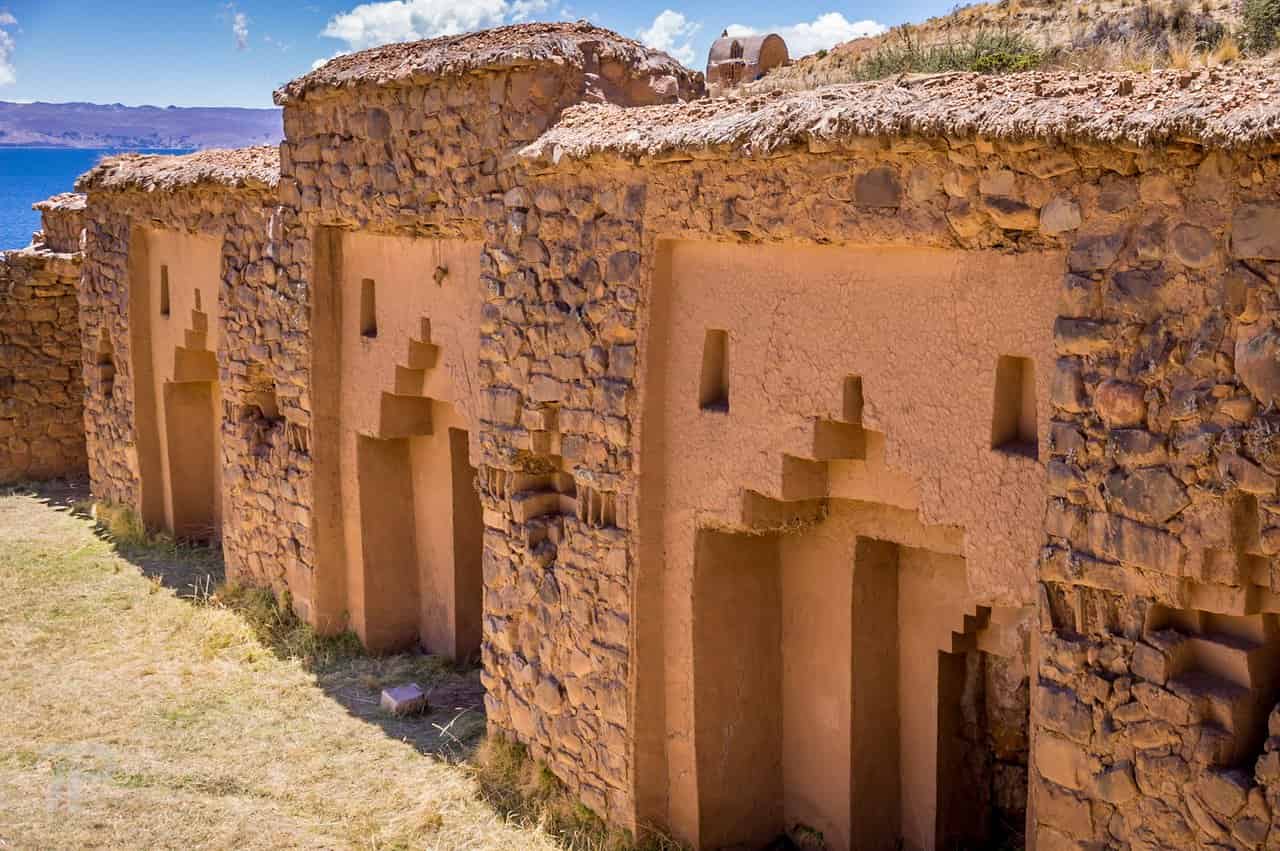
For history enthusiasts, cultural travelers, and adventure seekers. Isla del Sol is an immersive journey into the world of the ancient Inca. Offering lessons about sustainability, spirituality, and the enduring legacy of one of South America’s greatest civilizations.
Conclusion: The Timeless Legacy of Isla del Sol
The Inca ruins of Isla del Sol, Bolivia, are more than archaeological sites. They are windows into a civilization that mastered architecture, agriculture, astronomy, and spirituality</strong>. From the ceremonial Pilko Kaina Temple to the enigmatic Chincana labyrinth. The island preserves the ingenuity and beliefs of the Inca while inspiring awe in modern visitors.
Exploring Isla del Sol is not just a journey through history. It is a pilgrimage into the heart of the Andes. Where the sun still rises over Lake Titicaca much as it did for the ancient people who once revered it. For anyone seeking to experience the magic and heritage of the Inca civilization, Isla del Sol remains an essential destination.