The Old Copper Culture: North America’s First Metalworkers
A Forgotten Chapter of Human Innovation
When people think of the dawn of metalworking, they often imagine ancient civilizations like Egypt, Mesopotamia, or the Indus Valley — places where smelting furnaces glowed and bronze weapons reshaped history. Yet, thousands of years earlier and half a world away, the Indigenous peoples of North America were already pioneering a different kind of metalwork.
Around 8,500 years ago, near Eagle Lake in present-day Wisconsin, early communities were fashioning tools from naturally occurring copper. This extraordinary technological tradition, known as the Old Copper Culture, represents one of the earliest known uses of metal by humans anywhere on Earth — predating the Egyptian pyramids by millennia.
Without fire or smelting, these ancient craftspeople mastered the art of cold-hammering copper into tools, ornaments, and weapons that reshaped daily life across the Great Lakes region.
The Discovery at Eagle Lake: Unearthing a 10,000-Year Legacy
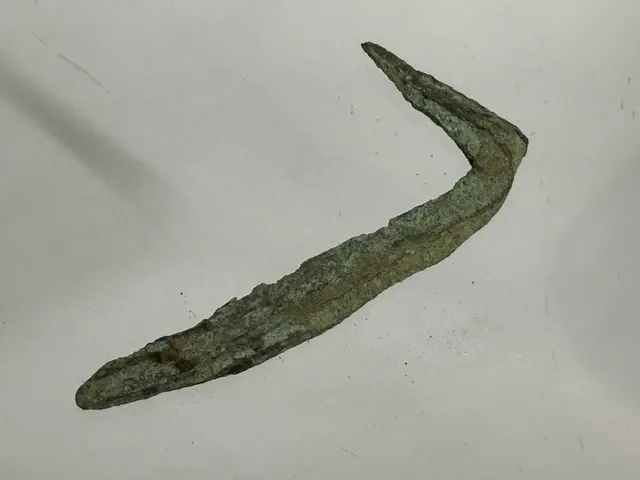
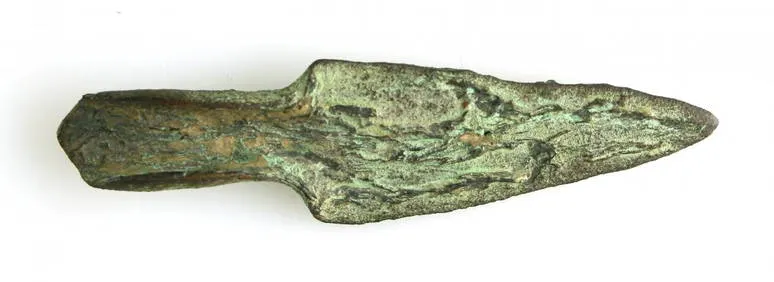
Archaeological excavations around Eagle Lake, located in Wisconsin’s lush forested landscape, have uncovered a wealth of evidence of early metal use. Among the most striking finds is a 10-centimeter (4-inch) conical copper spear point, perfectly shaped and polished despite the absence of advanced metallurgical techniques.
This artifact, along with hundreds of other tools found across the region, demonstrates the ingenuity and precision of the ancient peoples who lived there. Using stone hammers, they pounded native copper — naturally pure and malleable — into tools like:
-
Projectile points and spear tips
-
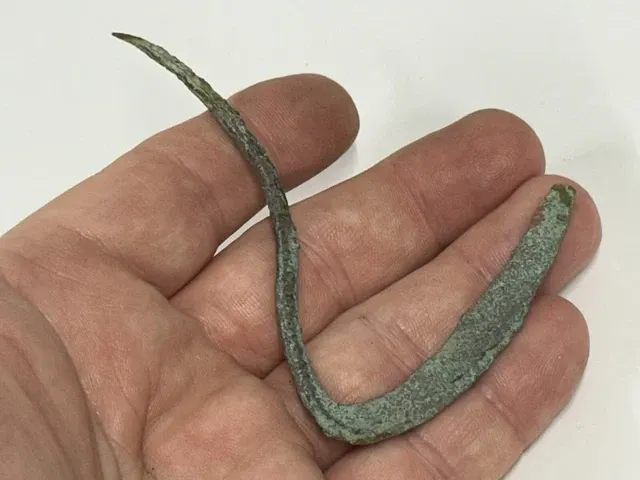
Fishhooks and awls
-
Knives and scrapers
-
Decorative ornaments and beads
These copper items weren’t mere novelties; they were practical tools that enhanced hunting, fishing, and trade. The Old Copper Culture marked a profound technological leap forward — one that would influence Indigenous societies across Wisconsin, Michigan, Minnesota, and into parts of Canada.
A Different Kind of Metallurgy: Cold-Hammering, Not Smelting
Unlike later civilizations that developed smelting — the process of extracting metal from ore using fire — the Old Copper Culture relied on cold-working or cold-hammering. This involved shaping copper by repeatedly striking it with stone hammers or pounding it on anvils made of hard rock.
The Great Lakes region was rich in native copper deposits, particularly around Lake Superior. These pure copper nodules could be collected directly from riverbeds, glacial deposits, and exposed outcrops. Because the metal was already in its metallic form, there was no need for furnaces or refining.
After hammering a piece into shape, artisans would anneal (gently heat and cool) it in open fires to relieve internal stress, preventing brittleness. This process allowed them to create sharp, durable tools that rivaled or surpassed those made from stone.
Life in the Old Copper Culture: Tools, Trade, and Society
The introduction of copper tools brought subtle but significant transformations to daily life. Hunters could now use stronger and sharper spear points, while fishers benefited from finely crafted copper hooks. Craftspeople developed specialized skills, suggesting a division of labor and perhaps even a form of trade network among neighboring communities.
Key Aspects of Old Copper Culture Society:
-
Region: Great Lakes area (Wisconsin, Michigan, Ontario, Minnesota)
-
Timeframe: 8,500–3,000 years ago (Early to Late Archaic Period)
-
Economy: Hunting, fishing, gathering, and trade
-
Technology: Cold-worked copper tools and ornaments
Archaeologists have found copper artifacts distributed across hundreds of miles, from the Upper Great Lakes to the Midwest plains, indicating a vast trade network. Copper objects may have served as symbols of status or exchange — not merely functional tools but also items of cultural and spiritual value.
The Significance of the Copper Spear Point
The 10 cm conical spear point found near Eagle Lake has become emblematic of the Old Copper Culture’s mastery. Its streamlined design demonstrates an understanding of aerodynamics and material properties, suggesting generations of experimentation and refinement.
For Indigenous hunters, this copper spearhead would have been a prized possession — durable, reusable, and capable of piercing hides with exceptional force. More than a weapon, it represented technological prestige, showing how early metalworking merged practicality with craftsmanship.
Beyond Tools: The Spiritual Dimension of Copper
To the people of the Old Copper Culture, copper was likely more than just a material — it was sacred. Many archaeologists believe that copper had spiritual or ceremonial significance, tied to water, earth, and transformation.
Burial sites from this period have revealed copper ornaments such as beads, bangles, and pendants placed alongside the deceased. This suggests that copper was seen as a gift of the Earth, imbued with life-sustaining power.
Even today, among many Indigenous cultures of the Great Lakes, copper continues to hold ceremonial and healing importance, echoing traditions that stretch back nearly 10,000 years.
Why the Copper Tradition Faded
By around 3,000 years ago, the Old Copper Culture gradually disappeared. Archaeological evidence shows that communities in the Great Lakes region returned to using stone, bone, and antler tools.
The reasons for this shift remain a mystery, but several theories exist:
-
Resource depletion: Easily accessible copper deposits may have become scarce.
-
Cultural change: New belief systems or social structures could have altered priorities.
-
Environmental shifts: Changing climate conditions might have disrupted resource availability.
-
Technological transitions: Later groups may have adopted new methods that favored other materials.
Whatever the cause, the decline of copper use didn’t erase its legacy. The techniques, trade routes, and symbolic meanings developed during this era continued to influence Indigenous traditions for millennia.
A Global Perspective: Rethinking the Origins of Metalworking
The Old Copper Culture challenges long-held assumptions about where and when metallurgy began. In school textbooks, the story of metal use often starts in the Middle East around 6,000 years ago — yet evidence from Wisconsin pushes that timeline back by more than 2,000 years.
This means that North American Indigenous peoples were among the first humans in the world to create and use metal tools, independently of Old World technologies. It’s a powerful reminder that innovation emerged in many places simultaneously, driven by human curiosity and adaptation.
Rediscovering Ancient Ingenuity
Today, museums across North America display the copper artifacts of the Old Copper Culture — silent witnesses to a vanished age of innovation. These objects, though small and unassuming, embody the creativity and intelligence of peoples who thrived in harmony with their environment.
Modern research using metallurgical analysis, radiocarbon dating, and isotopic tracing continues to uncover new details about how copper was sourced, traded, and transformed. Each discovery deepens our understanding of the technological sophistication of early North American societies.
Conclusion: The Enduring Legacy of the Old Copper Culture
The story of the Old Copper Culture near Eagle Lake is not just about tools — it’s about human ingenuity, adaptation, and connection to the land. Long before global empires and bronze forges, the people of the Great Lakes were pioneers of metalworking, transforming native copper into tools that shaped their world.
Their creations — polished spear points, gleaming fishhooks, and delicate ornaments — remind us that innovation is universal. From the copper-laden waters of ancient Wisconsin to the coal-darkened skies of industrial England, humanity’s relationship with metal has always been one of creativity and transformation.
Nearly 10,000 years later, the brilliance of those first copper workers still shines, echoing through time as a testament to North America’s forgotten age of metal.
ALSO READ: Megalania: The Giant Prehistoric Monitor Lizard That Ruled Ancient Australia