The Oldest Known Ice Skates — Gliding Through Time
When Humanity First Learned to Glide
Long before the invention of iron blades or modern rinks, humans had already discovered a way to glide across frozen water. In the frostbitten landscapes of ancient Scandinavia, where survival depended on ingenuity, people learned to turn animal bones into tools of motion.
These were the oldest known ice skates, dating back more than 3,000 years — simple yet brilliant creations made from polished horse or ox bones strapped to the feet with leather thongs. They were not used for sport or leisure, but as a vital means of winter transportation.
Each glide carried its skater over frozen lakes and rivers, bridging distant communities in a season when travel seemed impossible. To imagine those early skaters is to glimpse the spirit of human innovation — turning necessity into grace, and survival into art.
🦴 The Discovery of the World’s Oldest Ice Skates
Unearthing History in the Ice
Archaeologists have unearthed ancient bone ice skates in several parts of Northern Europe — particularly Scandinavia, Finland, and Switzerland. One of the earliest confirmed discoveries dates to around 1800–1200 BCE, found near Lake St. Moritz in Switzerland and across Finnish lake regions.
These artifacts are crafted from animal leg bones, usually from horses, oxen, or deer, selected for their strength and smoothness. The bones were shaped and polished flat on one side, with holes drilled at either end to secure leather bindings.
Unlike modern skates that cut into the ice, these early versions slid on top of it, reducing friction through polished bone surfaces. The skaters used wooden poles tipped with sharpened points to push themselves forward, creating a rhythmic, gliding motion that was both efficient and quiet — a perfect adaptation for hunting, travel, and trade.
A Glimpse into Prehistoric Ingenuity
What makes these ancient skates extraordinary is not just their age, but their ingenuity. They demonstrate how early humans understood physics and adaptation intuitively. By transforming bones — byproducts of hunting — into mobility tools, ancient Scandinavians proved that necessity truly is the mother of invention.
🌍 The World 3,000 Years Ago: Ice and Innovation
To understand the birth of ice skating, we must step into a world still shaped by the afterglow of the last Ice Age. Around 1000 BCE, the Nordic climate was harsh and unforgiving. Winter froze the landscape for months, turning rivers and lakes into natural highways — if only one could glide across them.
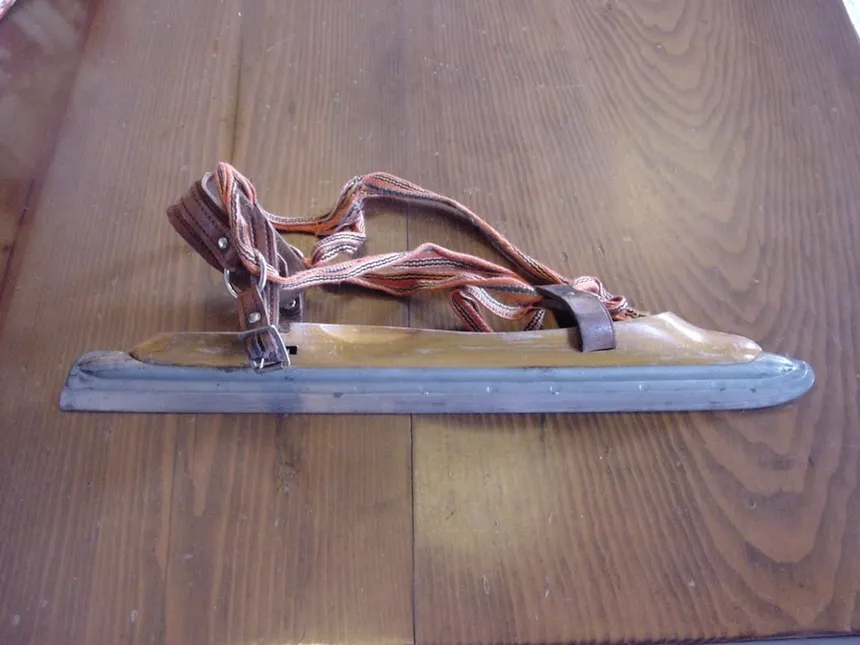
Communities needed ways to move efficiently to hunt, trade, and survive. Heavy snow made walking difficult, but the frozen waterways offered smooth, flat surfaces. Bone skates became a practical response to geography, not a luxury.
Each winter, these early travelers would strap on their bone runners and push themselves across miles of frozen expanse, gliding silently under a gray sky — a poetic union between human determination and the rhythm of nature.
⚒️ How the Ancient Ice Skates Were Made
From Animal Bone to Winter Tool
The creation of a pair of ancient ice skates required both craftsmanship and understanding of material properties. Here’s how they were typically made:
-
Selecting the Bone:
The long leg bones of horses or cattle were chosen for their natural curvature and density. -
Shaping the Surface:
The bones were cut and ground flat on one side to create a smooth gliding surface. The other side remained rounded for strength. -
Drilling the Bindings:
Holes were drilled near each end using flint tools or metal awls (in later periods). -
Adding Straps:
Leather thongs were threaded through these holes and tied around the user’s feet or shoes. -
Finishing Touches:
Some skates were rubbed with animal fat or soot to reduce friction and protect the bone from cracking in cold air.
The result was a primitive yet functional design, perfectly suited to the frozen waterways of the north.
🏹 Skating for Survival: Movement and Meaning
Not for Sport, But for Survival
Unlike today’s skaters who glide for recreation or competition, ancient Scandinavians used bone skates for purely practical reasons. They provided a faster, more efficient means of travel across frozen terrain.
Hunters could pursue game more silently. Traders and messengers could cross lakes and rivers that would otherwise take days to circumvent. Families could remain connected despite long winters.
In essence, ice skates became a tool of community and endurance, linking people across the ice.
The Sound of Ancient Travel
Imagine the scene: a figure gliding through the frozen stillness, poles tapping rhythmically against the ice, breath visible in the cold air. The sound was soft, like whispers over glass — an ancient human melody of motion and persistence.
Every scratch on those bones tells a story — not of sport or competition, but of human resilience.
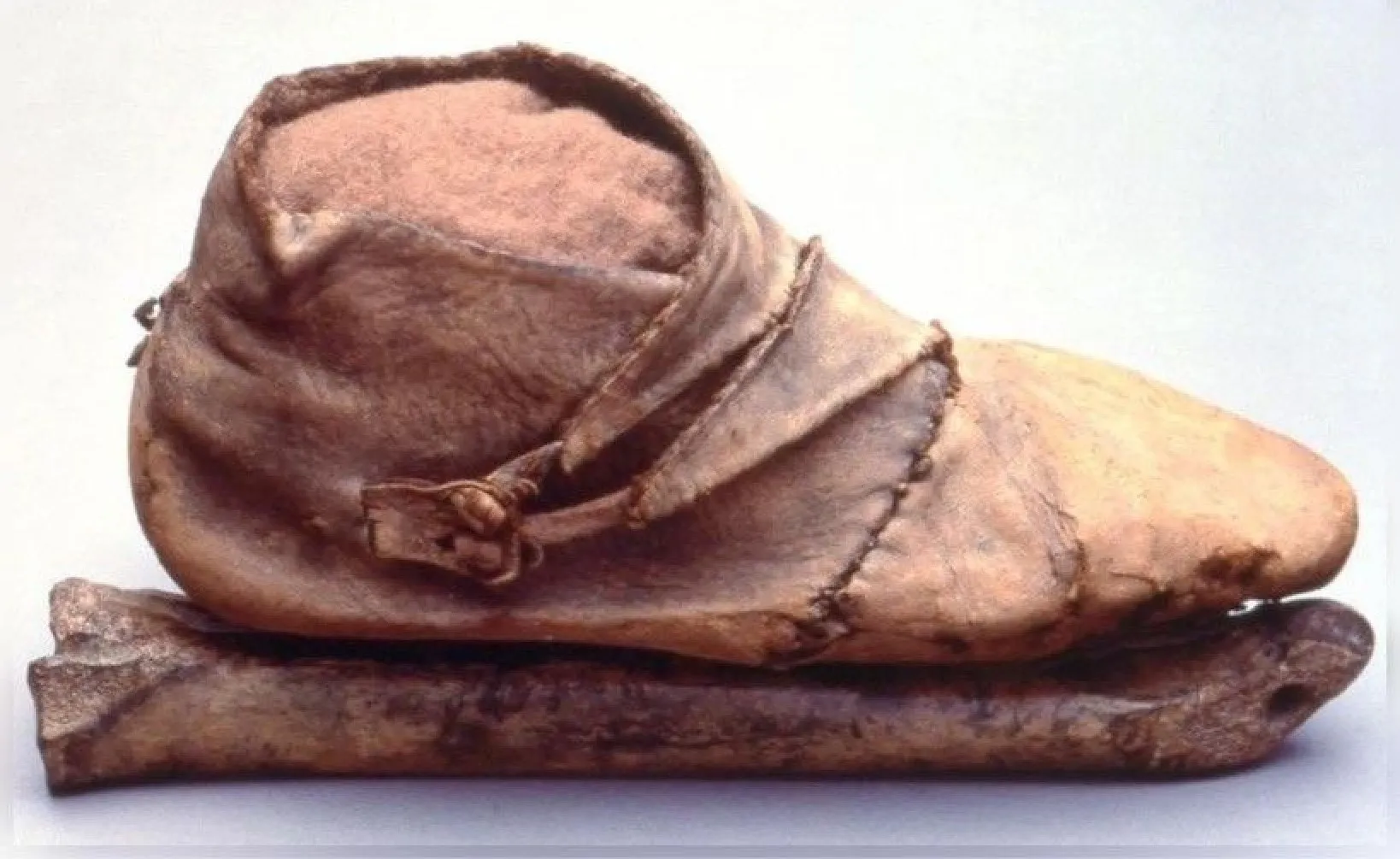
🧭 The Evolution of Ice Skating
From Bone to Bronze to Iron
Over centuries, bone skates evolved alongside human metallurgy. As people learned to forge metal blades, skates became faster and more durable.
-
Iron skates appeared around the 13th century in Northern Europe.
-
Steel blades emerged by the 17th century, allowing true gliding by cutting slightly into the ice.
-
By the 19th century, skating had transformed into a sport — from Dutch canals to Olympic arenas.
Yet all these developments trace their lineage back to those humble bone runners — the ancestors of every modern skate blade.
🔬 What Science Reveals
Modern researchers have studied the physics of these bone skates to understand how effective they were. Surprisingly, they worked remarkably well.
Tests show that polished bone surfaces reduced friction on ice by up to 90%, allowing skaters to travel efficiently with minimal energy. Using two wooden poles, a skilled user could cover long distances faster than walking.
Archaeologists have also identified wear patterns and repair marks on excavated skates, proving they were used extensively and maintained season after season — not temporary tools, but essential gear for survival.
🕯️ Cultural Echoes and Legacy
The ancient art of skating may have begun as a matter of survival, but it evolved into an expression of freedom, joy, and artistry. From Dutch canal races to figure skating and ice hockey, all modern gliding sports owe their existence to those early northern innovators.
Even in literature and art, ice skating symbolizes grace over hardship, a metaphor born directly from the experience of ancient humans gliding through frozen wilderness.
Every modern skate, every graceful turn on ice, carries within it the memory of that first moment — when someone, thousands of years ago, fastened bones to their feet and decided to move instead of stand still.
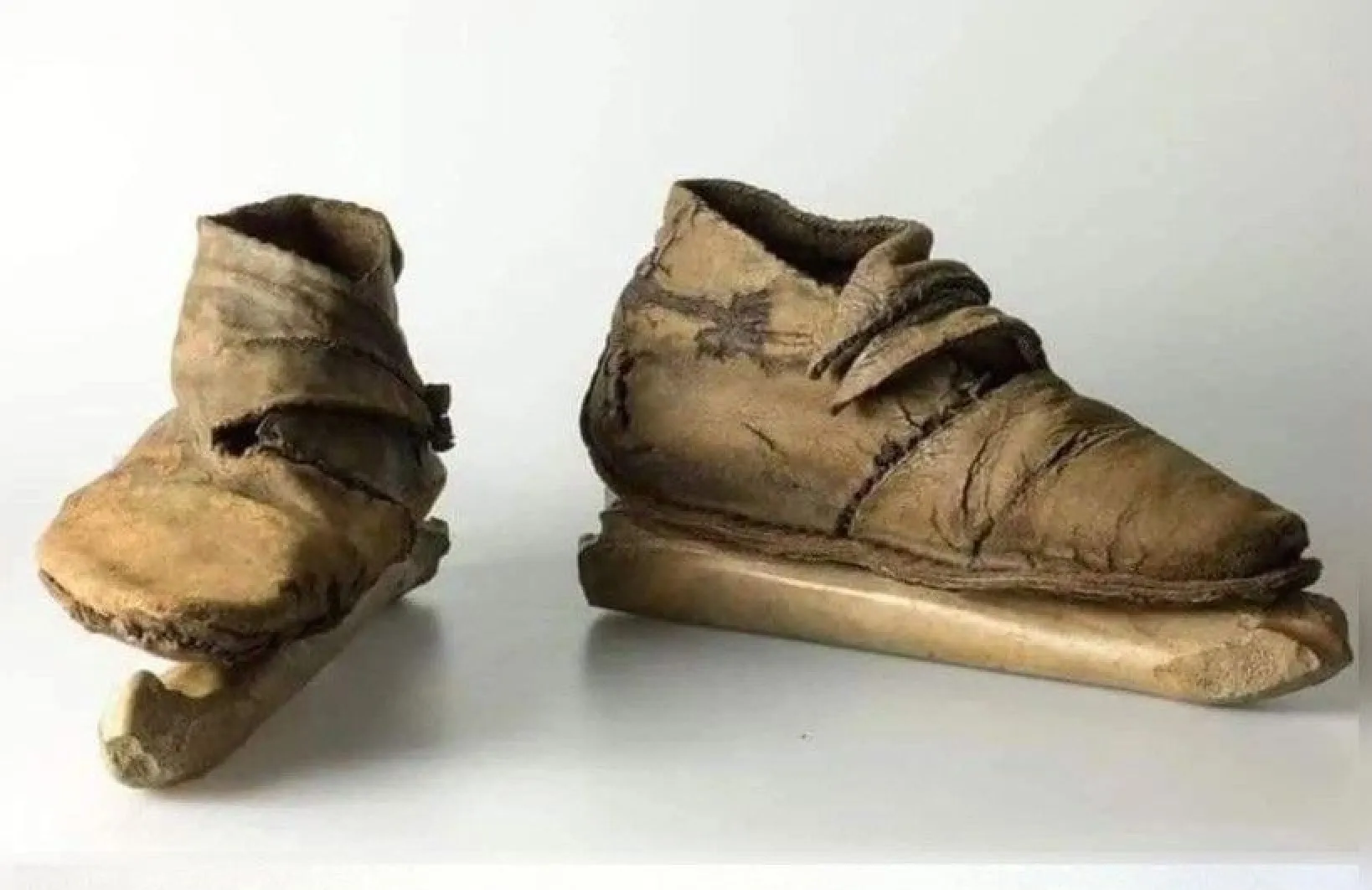
✨ Conclusion: Gliding Through Time
The oldest known ice skates remind us that human creativity often begins where the environment is most unforgiving. Faced with freezing cold and endless ice, our ancestors chose not to surrender — they chose to adapt, innovate, and glide.
Those ancient bone runners are not just artifacts; they are echoes of motion, the first whispers of humankind’s enduring desire to move freely through the world.
In their silent, smooth lines, we can almost hear the faint rhythm of that prehistoric journey — the first glide that began humanity’s long and graceful dance with the frozen earth.
ALSO READ: The Eternal Dance of History and Nature: The Acropolis of Lindos, Rhodes