Pa-Maj: Ancient Egyptian Protection and Healing Statue
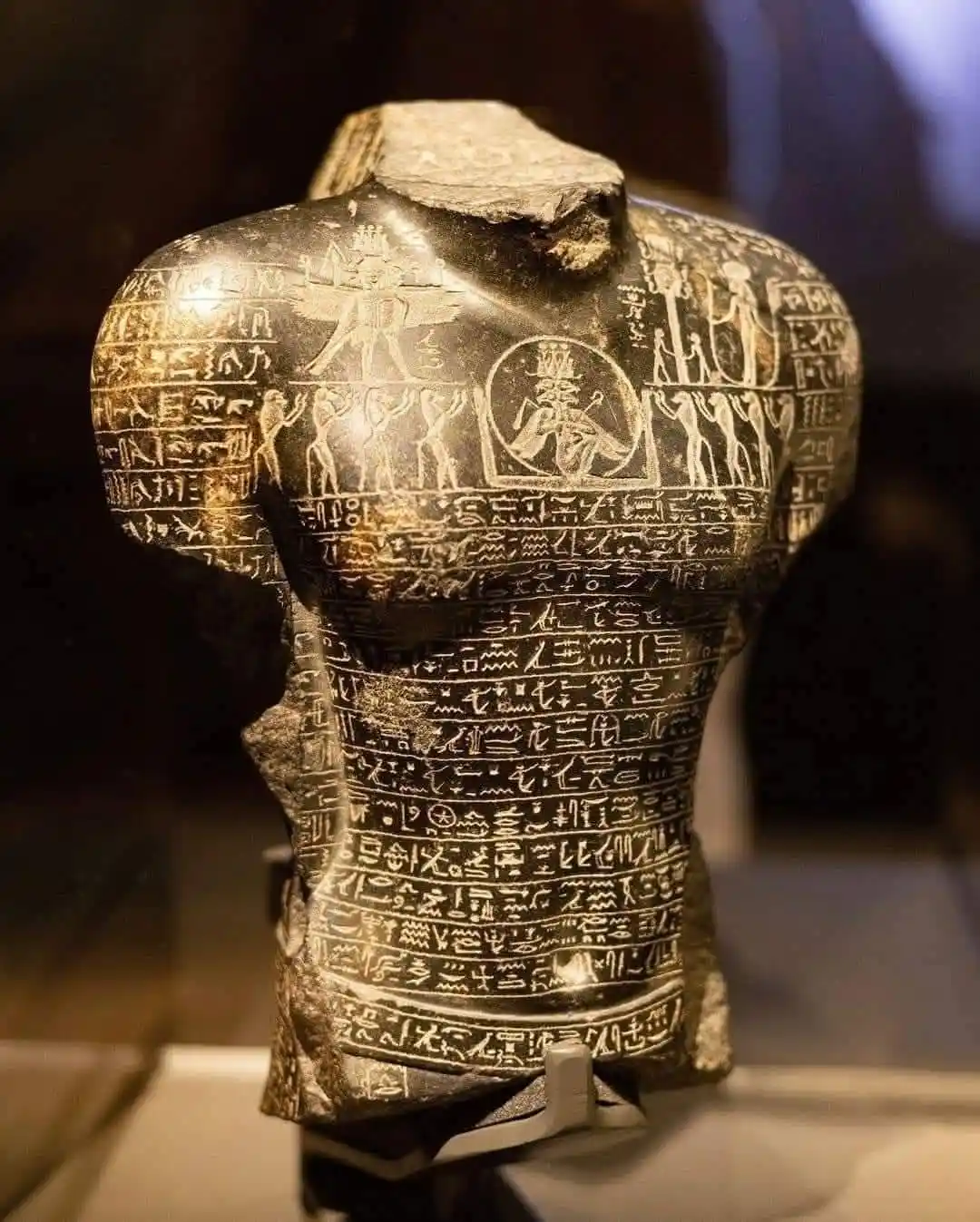
Ancient Egyptian culture is renowned for its rich tapestry of art, religion, and medicine, where symbolic objects often served multiple purposes. Among these artifacts, the basalt statue of Pa-Maj, dating from 350–300 BC, stands out as a unique testament to the Egyptians’ practices for protection and healing. Crafted meticulously, this statue was intended to safeguard individuals from dangerous animals such as scorpions and snakes and to aid in healing those affected by their venomous bites.
The Pa-Maj statue offers modern scholars significant insight into the intersection of spirituality, medicine, and daily life in ancient Egypt, reflecting a civilization deeply attuned to both the physical and supernatural threats of their environment.
Historical Background of the Pa-Maj Statue
The Pa-Maj statue belongs to the Late Period of ancient Egypt, around the 4th to 3rd centuries BC. This era was marked by a resurgence of traditional religious practices, even as Egypt faced political upheavals and foreign influences.
Basalt, a durable volcanic stone, was commonly used for statues intended to endure both time and the elements, particularly when the artifact had a protective or sacred purpose. The choice of basalt for the Pa-Maj statue underscores its significance, emphasizing permanence and spiritual potency.
Pa-Maj itself is believed to represent a protective spirit or deity associated with safeguarding humans from venomous animals and providing healing. These statues were typically placed in homes, temples, or tombs, acting as intermediaries between the human and divine realms.
Function and Symbolism
The primary role of the Pa-Maj statue was protective. In ancient Egypt, scorpions and snakes were not only common threats in the desert and riverine environment but were also imbued with symbolic significance. Scorpions, for instance, were associated with danger, death, and, paradoxically, with protective deities such as Serqet, the goddess of healing and magic.
By depicting or invoking protective spirits, the Pa-Maj statue functioned as a spiritual shield. Individuals believed that the statue could absorb or divert harm from venomous bites and stings, reducing physical suffering and preventing fatal outcomes.
Additionally, the Pa-Maj statue was closely tied to healing rituals. Victims of snake or scorpion bites were treated with a combination of practical medicine, such as herbal remedies, and spiritual intervention. The statue served as a focal point for prayers, incantations, and ritual offerings, reinforcing the Egyptians’ belief in the power of divine or supernatural assistance in health and survival.
Design and Craftsmanship
The basalt statue of Pa-Maj demonstrates the skill and artistry of ancient Egyptian sculptors. Typically carved in a compact, durable form, the statue exhibits fine details that convey both its protective and spiritual functions.
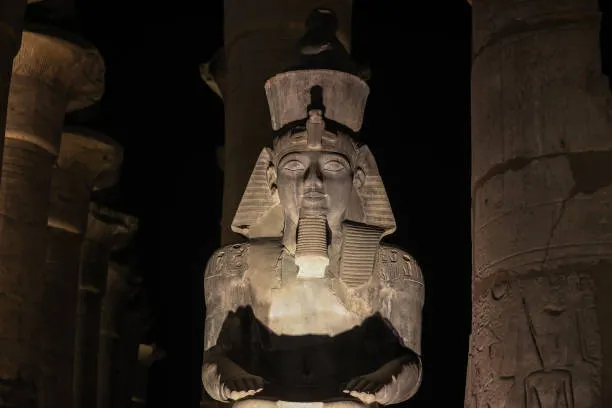
Key features often include:
-
Animal Motifs: Many Pa-Maj statues depict snakes, scorpions, or other protective animals, symbolizing both the threat and the means of overcoming it.
-
Human-like Form: Some representations show a hybrid or anthropomorphic figure, reflecting the fusion of divine power and human supplication.
-
Inscribed Symbols: Hieroglyphs or magical symbols on the statue could invoke healing or protective powers, turning the object into a potent talisman.
The artistry and symbolism in Pa-Maj statues highlight how the Egyptians intertwined aesthetics and function in their holistic approach to protection and healing.
Healing Practices Associated with Pa-Maj
Ancient Egyptians developed medicine that combined empirical knowledge with spiritual practices. In the case of venomous bites, remedies included:
-
Herbal Treatments: Healers applied mixtures of plants, oils, and minerals to bites to reduce inflammation and neutralize toxins.
-
Incantations: Priests or healers would recite prayers invoking protective deities.
-
Ritual Offerings: People presented food, incense, or small figurines to spirits like Pa-Maj to invoke divine intervention.
The Pa-Maj statue was central to these rituals. By placing the statue near the afflicted individual, Egyptians believed that the statue’s. Protective power could directly counteract venom and facilitate recovery.
Cultural and Religious Significance
The Pa-Maj statue exemplifies the interweaving of religion, medicine, and daily life in ancient Egypt. Its presence underscores several key cultural principles:
-
Spiritual Protection: Ancient Egyptians believed that invisible forces could influence health and safety. Protective statues like Pa-Maj served as tangible representations of these forces.
-
Integration of Magic and Medicine: Healing was not merely physical but also spiritual. Statues, incantations, and amulets complemented herbal and practical treatments.
-
Connection to Deities: The statue reinforced ties to protective deities such as Serqet or Isis, reflecting the Egyptian belief that divine powers could intervene in human affairs.
This combination of artistry, spirituality, and practical utility made Pa-Maj statues essential tools for households and temples alike.
Archaeological Insights
Modern archaeology has provided critical insights into the function and context of Pa-Maj statues. Excavations reveal that these artifacts were often found:
-
Near temple entrances, where they could guard sacred spaces.
-
In homes, particularly in bedrooms or near entrances, to protect families from environmental threats.
-
In tombs, accompanying the deceased to ensure protection and healing in the afterlife.
Studies of inscriptions and stylistic variations indicate that while the general purpose. Remained consistent, regional differences influenced design and ritual use. These findings underscore the adaptability and enduring significance of the Pa-Maj figure throughout Egypt’s history.
Modern Relevance
The Pa-Maj statue remains relevant today for both historical study and cultural appreciation. Scholars of ancient medicine study these artifacts to understand early approaches to disease, toxins, and healing. Art historians analyze the craftsmanship to trace stylistic trends in Late Period Egypt.
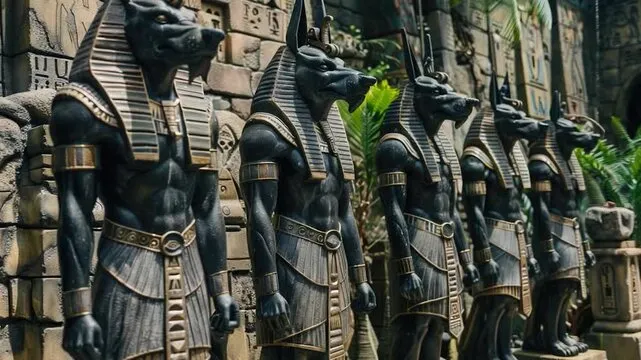
For museums and educational institutions, Pa-Maj statues offer a tangible connection to the daily lives, fears, and beliefs of ancient Egyptians. They remind us that human societies have long sought ways to coexist. With their environment and mitigate natural threats, blending science, spirituality, and artistry in innovative ways.
Conclusion
The basalt statue of Pa-Maj, dating from 350–300 BC. Embodies the intricate relationship between protection, healing, and spirituality in ancient Egypt. Designed to safeguard against dangerous animals and assist in recovering from venomous bites. It reflects a civilization deeply attuned to the natural and supernatural worlds.
Through its design, inscriptions, and cultural role. The Pa-Maj statue provides modern audiences with valuable insights into ancient Egyptian life, religion, and medicine. By studying these artifacts, we gain a richer understanding of how humans have historically navigated danger, illness, and the quest for protection. A legacy that continues to inspire curiosity and admiration today.
ALSO READ: Uncovering Guthlac’s Legacy: Archaeological Discoveries at Crowland Abbey