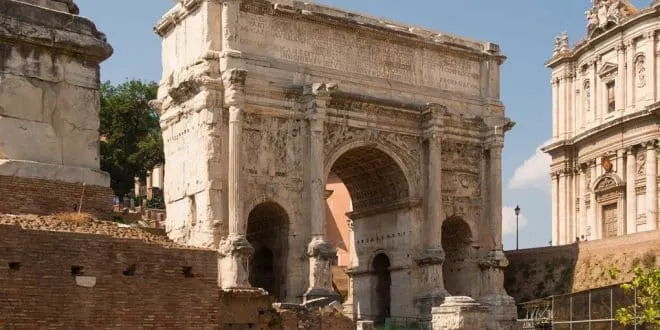
Hunger Stones: Europe’s Historical Warnings of Famine
Europe has a long and dramatic history of droughts and famine, and some of this history is etched into stone—literally. Known as “Hunger Stones,” these markers in rivers across the Czech Republic and Germany serve as chilling reminders of past hardships. When water levels fell dangerously low, these stones emerged, warning populations of potential famine and crop failures.
One of the most famous examples is in the Elbe River, dating back to 1616, which bears the haunting inscription: “If you see me, cry.” This simple message carries centuries of human suffering and resilience, linking past climate crises to the present.
What Are Hunger Stones?
Hunger Stones are a type of hydrological marker, often embedded in riverbeds, that become visible only during periods of extreme drought. Their primary purpose was practical: to signal dangerously low water levels that could threaten local agriculture and food supply. Over time, they also became symbolic reminders of human vulnerability to nature’s forces.
These stones are usually engraved with inscriptions indicating the year of the drought and warnings about famine. Some include moral or religious messages, reflecting the cultural context of the era.
Historical Context of Hunger Stones
The practice of carving Hunger Stones began in Central Europe several centuries ago, especially in regions along the Elbe, Vltava, and Rhine rivers. During the pre-industrial era, communities were highly dependent on river-fed agriculture. Low water levels often coincided with crop failures, leading to famine and social unrest.
Historical records show that major droughts were devastating. In some cases, entire villages relied on rivers for drinking water, irrigation, and transport. When rivers receded and Hunger Stones appeared, it was both a literal and symbolic warning: hardship was imminent.
For example, the Elbe River stone from 1616 carries the stark warning: “If you see me, cry.” This reflects the severity of the drought and the collective anxiety of the population. Other stones include dates of previous droughts, offering a historical record that spans centuries.
Famous Hunger Stones in Europe
While Hunger Stones can be found throughout Central Europe, a few stand out for their historical significance:
-
Elbe River, Czech-German Border – Perhaps the most famous, this stone bears the inscription “If you see me, cry” from 1616. It has resurfaced during several modern droughts, connecting contemporary climate events to centuries-old warnings.
-
Vltava River, Czech Republic – Several stones along the Vltava have inscriptions dating back to the 15th and 16th centuries, chronicling repeated drought events and their impact on agriculture.
-
Rhine River, Germany – Hunger Stones along the Rhine often include engraved dates and religious exhortations, emphasizing human reliance on divine providence during times of scarcity.
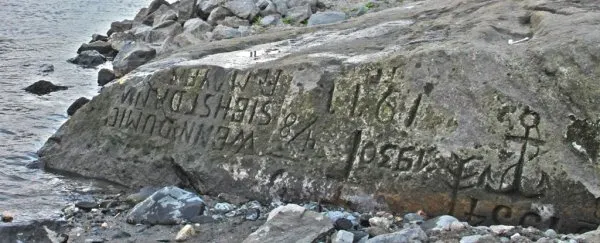
These stones collectively serve as both historical documentation and moral reminders. They illustrate the persistent interplay between humans and the environment and the ingenuity of early societies in monitoring natural resources.
The Role of Hunger Stones in Society
Hunger Stones were not just warning tools—they shaped community behavior and response. When a stone became visible, local populations would:
-
Conserve water and manage consumption carefully.
-
Prepare for potential crop failures by storing food.
-
Engage in religious or communal rituals to appeal for rain.
These stones also became educational tools. By noting the year and circumstances of each drought, communities created an informal historical record, passing knowledge across generations. They fostered awareness of environmental patterns long before modern meteorology.
Modern Relevance
Recent droughts in Europe, particularly in 2018 and 2022, have brought Hunger Stones back into public attention. As rivers like the Elbe and Vltava dropped to historically low levels, these stones reemerged, reminding society of its vulnerability to climate extremes.
Environmentalists and historians point to Hunger Stones as early climate markers, providing insight into historical hydrological trends. Their resurgence underscores the increasing frequency of droughts due to climate change, bridging the past with contemporary challenges.
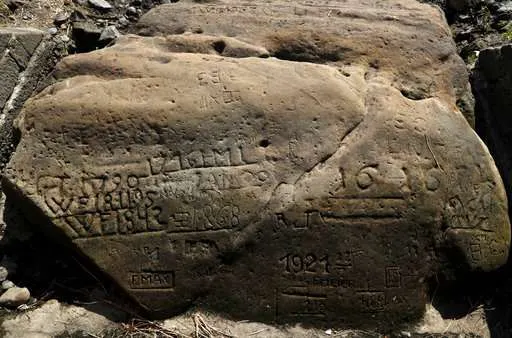
The 1616 Elbe stone, still legible after more than 400 years, evokes a powerful connection to history. Its inscription—“If you see me, cry”—serves as both warning and lesson, reminding modern society that water scarcity and food security are enduring concerns.
Preserving Hunger Stones
Hunger Stones are not only historical markers but also cultural treasures. Preservation efforts aim to:
-
Protect the stones from erosion and human damage.
-
Digitally document inscriptions for historical research.
-
Educate the public about their historical and environmental significance.
These efforts highlight the importance of conserving historical artifacts that tell human stories in the face of environmental adversity.
Symbolism of Hunger Stones
Beyond their practical use, Hunger Stones carry deep symbolic meaning:
-
Human Vulnerability: They remind us that, despite technological advances, human societies remain dependent on natural resources.
-
Historical Continuity: Each stone connects present generations to the hardships of their ancestors.
-
Climate Awareness: They serve as early indicators of environmental change, relevant in the context of today’s climate crises.
In essence, Hunger Stones are both warnings and memorials, chronicling the resilience and vulnerability of human communities.
Conclusion
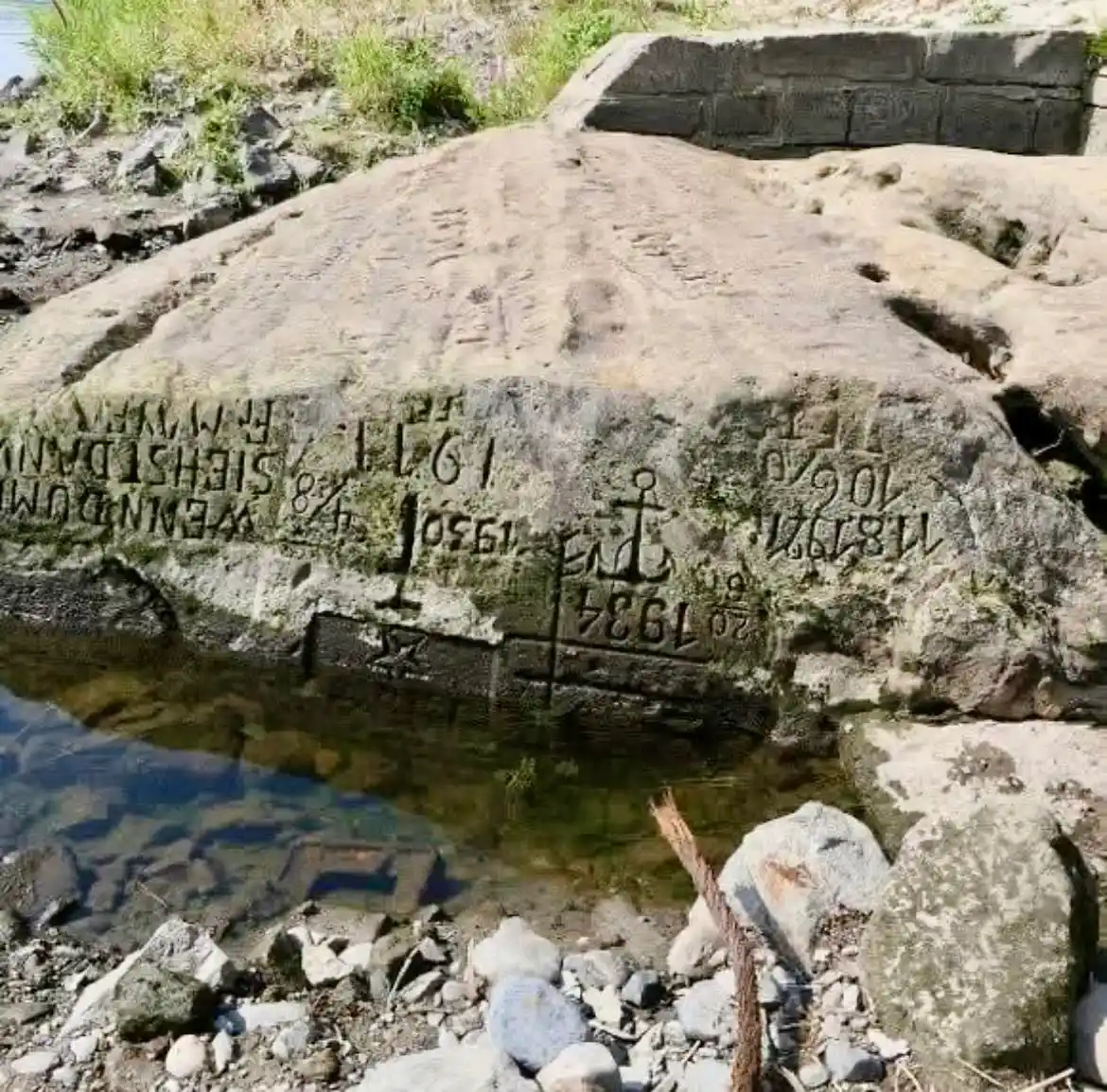
Hunger Stones are among Europe’s most fascinating historical artifacts, blending practicality with profound symbolism. From the haunting 1616 Elbe River stone that urges us to cry, to the numerous markers across the Vltava and Rhine rivers, these stones provide an enduring testament to human adaptation and environmental awareness.
As modern Europe faces increasing droughts and climate unpredictability, Hunger Stones remind us that lessons from the past are more relevant than ever. They encourage us to respect natural resources, prepare for environmental extremes, and appreciate the ingenuity of our ancestors in recording their struggles for future generations.
By studying and preserving Hunger Stones, we connect with a centuries-old narrative of survival, resilience, and the delicate balance between humanity and nature.
ALSO READ: Uncovering Guthlac’s Legacy: Archaeological Discoveries at Crowland Abbey