Golden Laurel Wreath Burial Unearthed in Crete Reveals Ancient Greek Funeral Rituals🏺
A Glimpse into the Glorious Afterlife of Ancient Greece
Archaeologists in the ancient city of Lato, Crete, have made a discovery that shines — quite literally — with historical brilliance. A 2,500-year-old skull, delicately adorned with a golden laurel wreath, was recently unearthed from a burial site, offering new insights into the opulence, beliefs, and funerary traditions of ancient Greek civilization.
Accompanying the skull was a silver coin placed in the mouth, a symbolic gesture meant to pay Charon, the mythological ferryman who transported souls across the river Styx to the underworld. This remarkable find not only confirms the persistence of ancient Greek spiritual traditions but also underscores the social prestige and artistry associated with death in classical antiquity.
1. The Discovery at Lato: Unveiling a Forgotten Elite
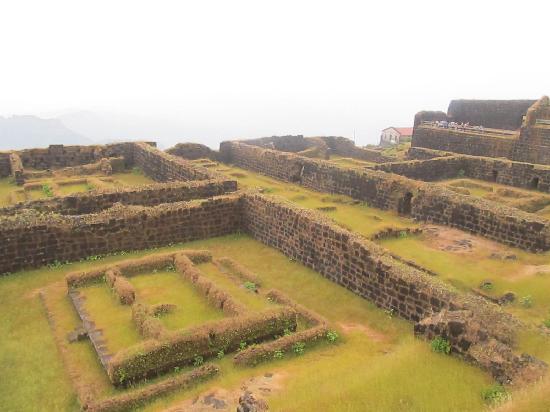
The excavation took place at Lato, one of Crete’s best-preserved ancient city-states, located near modern-day Agios Nikolaos. Founded by the Dorians in the 7th century BC, Lato was known for its strong fortifications and its devotion to the goddess Eileithyia, protector of childbirth.
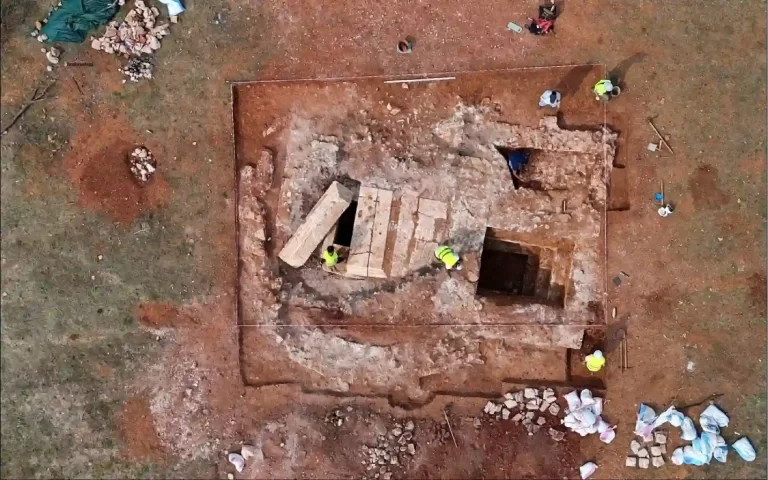
The burial site was uncovered by a team of archaeologists from the Greek Ministry of Culture, who were investigating a previously unexplored necropolis. Among pottery shards and fragmentary bones, they discovered an intricately shaped human skull, crowned with a fragile wreath made of gold leaves and branches — still gleaming after two and a half millennia beneath the soil.
Nearby, a silver coin was found lodged between the skull’s teeth — a clear indication of a ritual offering for the deceased’s passage into the afterlife.
2. The Golden Laurel Wreath: A Symbol of Victory and Divinity
The golden laurel wreath is one of the most powerful symbols in Greek culture. Traditionally associated with Apollo, the god of light, prophecy, and poetry, the laurel wreath represented victory, honor, and divine favor.
In ancient Greece, such wreaths were awarded to victors of the Pythian Games at Delphi and were often used to crown military heroes, statesmen, and poets.
That this ornament was buried with the deceased suggests that the individual may have been of high social status — perhaps an aristocrat, military leader, or priest closely connected with Apollonian worship.
Crafted from thin sheets of gold shaped into delicate leaves, these wreaths were not meant for daily wear. Instead, they served as funerary ornaments, symbolizing eternal glory and divine acceptance in the afterlife.
3. The Silver Coin: Passage to the Afterlife
One of the most poignant aspects of the discovery was the silver coin placed inside the skull’s mouth. This custom was deeply rooted in ancient Greek funerary beliefs, serving as payment to Charon, the mythical ferryman of Hades, who transported souls across the River Styx or Acheron.
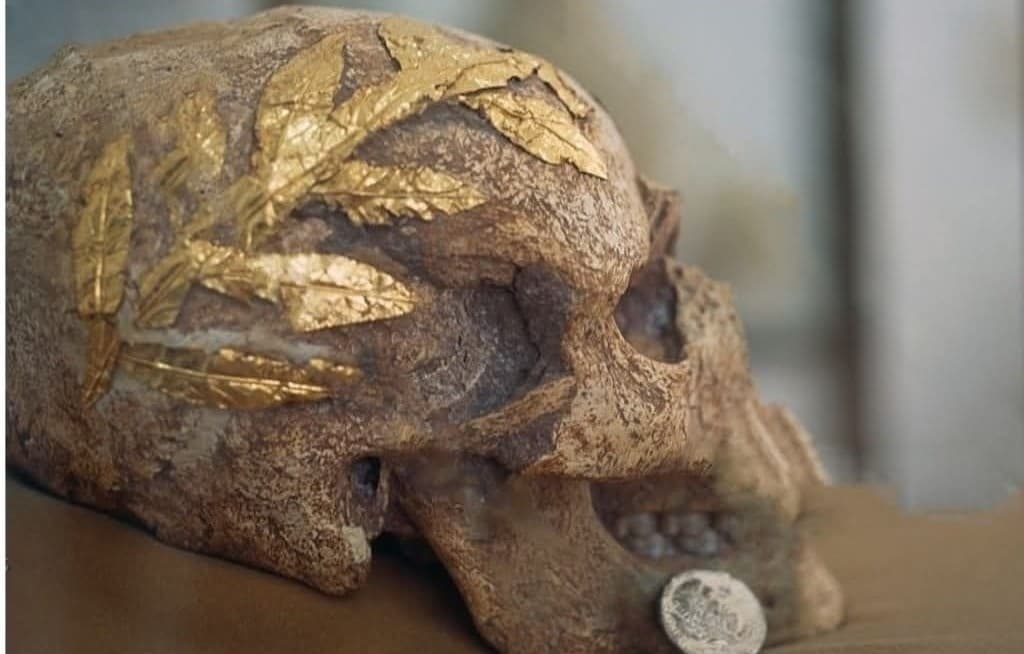
Without this fare, people believed the spirit would wander the shores of the underworld for eternity.
The coin found in Lato, likely a drachma or obol, reflects a continuity of Greek spiritual traditions across centuries and regions. It also provides a precise chronological marker for the burial — likely dating to the Classical period (5th–4th century BC), when the practice of “Charon’s obol” became widespread across the Hellenic world.
4. Insights into Ancient Greek Burial Customs
This find adds another chapter to our understanding of ancient Greek funerary rituals, which blended reverence, artistry, and symbolism.
Greek burials were deeply ceremonial. Mourners washed the dead, anointed them with oils, and dressed them in fine garments before laying them upon a funerary bier. They placed offerings such as food, pottery, jewelry, and coins with the body to ensure comfort in the afterlife.
The golden wreath suggests the deceased’s elite social rank, while the coin testifies to the religious adherence to mythological customs.
Archaeologists have unearthed similar wreaths in Vergina (Macedonia) and Athens, usually in the tombs of aristocrats or royal families, revealing a shared symbolic language across Greek territories.
5. The Archaeological Significance of Lato
The city of Lato has long intrigued historians for its strategic position and architectural sophistication. Built on twin acropolises with panoramic views of the surrounding valleys and sea, Lato served as a key Dorian stronghold during the Archaic and Classical periods.
The discovery of this elite burial underscores Lato’s cultural and political prominence. It also provides archaeologists with fresh evidence about local burial practices, trade connections (through imported gold and silver), and the city’s religious identity.
Every artifact — from the coin’s minting style to the gold’s purity — helps reconstruct the broader picture of Cretan life during the classical age
6. Artistry and Metallurgy: The Craft Behind the Wreath
The craftsmanship of the golden wreath is as remarkable as its symbolism. Ancient Greek goldsmiths employed advanced techniques such as hammering, repoussé (metal shaping from the reverse side). And soldering to create lifelike leaves that shimmered like real foliage.
Microscopic examination of similar wreaths has revealed astonishing precision, with each vein and texture of the leaf carefully rendered. This artistry reflects not only technical mastery but also deep religious devotion. A desire to emulate divine beauty in mortal form.
Artisans in workshops linked to temples or elite patrons typically produced such funerary objects. Suggesting a thriving network of artisans dedicated to both art and ritual.
7. The Intersection of Myth and Mortality
Greek mythology deeply shaped burial customs. The ancient Greeks did not see death as an end but as a transition — a journey into another realm ruled by gods and spirits.
By adorning the dead with a golden laurel wreath, mourners may have believed. They were granting the deceased a hero’s passage into eternity, marking them as worthy of divine recognition. The coin for Charon reinforced this journey, ensuring safe transit through the metaphysical boundaries between life and death.
In essence, this burial merges tangible wealth with spiritual symbolism. A hallmark of Greek civilization’s fusion of material and metaphysical worlds.
8. A Window into Ancient Greek Society
This discovery highlights key aspects of Greek social hierarchy, religion, and artistry.
It reminds us that ancient Greeks valued not only excellence in life (arete) but also honor in death.

The find also underscores the pan-Hellenic consistency of religious motifs. From Crete to mainland Greece, showing how shared myths like Charon’s crossing unified the Greek worldview despite regional differences.
Conclusion: Echoes of Eternal Glory
The 2,500-year-old skull adorned with a golden laurel wreath and silver coin from Lato, Crete. Stands as a timeless testament to the spiritual sophistication and artistic mastery of ancient Greece.
In its shimmering leaves and sacred coin, we glimpse not just the opulence of the ancient elite. But a civilization that viewed death not as an end — but as a victorious journey toward immortality.
As archaeologists continue to study this extraordinary burial. It reminds us that even in death, the ancient Greeks sought beauty, honor, and eternal light — the essence of their enduring legacy.
ALSO READ: The Nimrud Lens: Ancient Assyrian Crystal That May Rewrite the History of Optics🔍