Villa Romana del Casale – A Journey Through Time in the Heart of Sicily
Walking Into a Roman Dream
As I stepped onto the sun-kissed grounds of Villa Romana del Casale, I felt as though I had been transported back through centuries. Located in central Sicily, just a few kilometers from the picturesque town of Piazza Armerina, this ancient Roman villa is far more than an archaeological site — it’s a living storybook of art, wealth, and empire.
Listed as a UNESCO World Heritage Site, the villa is famous for housing the most extensive and best-preserved collection of Roman mosaics in the world. But beyond its artistic glory, Villa Romana del Casale offers a rare glimpse into the lavish lifestyle of the Roman elite. Join me as I relive my journey through this timeless masterpiece and share why it’s one of the most unforgettable places I’ve visited in Italy.
A Hidden Gem in the Sicilian Countryside
Tucked away in the peaceful countryside of central Sicily, Villa Romana del Casale feels like a hidden world waiting to be discovered. The winding drive through rolling hills and olive groves only adds to the sense of anticipation. When I finally reached the site, it was clear that this was no ordinary villa — it was a palatial complex, sprawling across over 4,000 square meters.
Constructed in the early 4th century AD, the villa served as the luxurious residence of a wealthy Roman noble — perhaps a senator, a governor, or even a member of the imperial family. Whoever lived here spared no expense in showcasing their status. Every inch of the villa speaks of power, refinement, and an appreciation for art.
Stepping into the Aristocratic World of Ancient Rome
Walking through the villa’s corridors felt like wandering through a Roman aristocrat’s home. The structure is designed around a central peristyle courtyard, surrounded by grand halls, private apartments, and thermal baths. Each room had its own purpose — from formal audience chambers and banquet halls to private quarters and servants’ rooms.
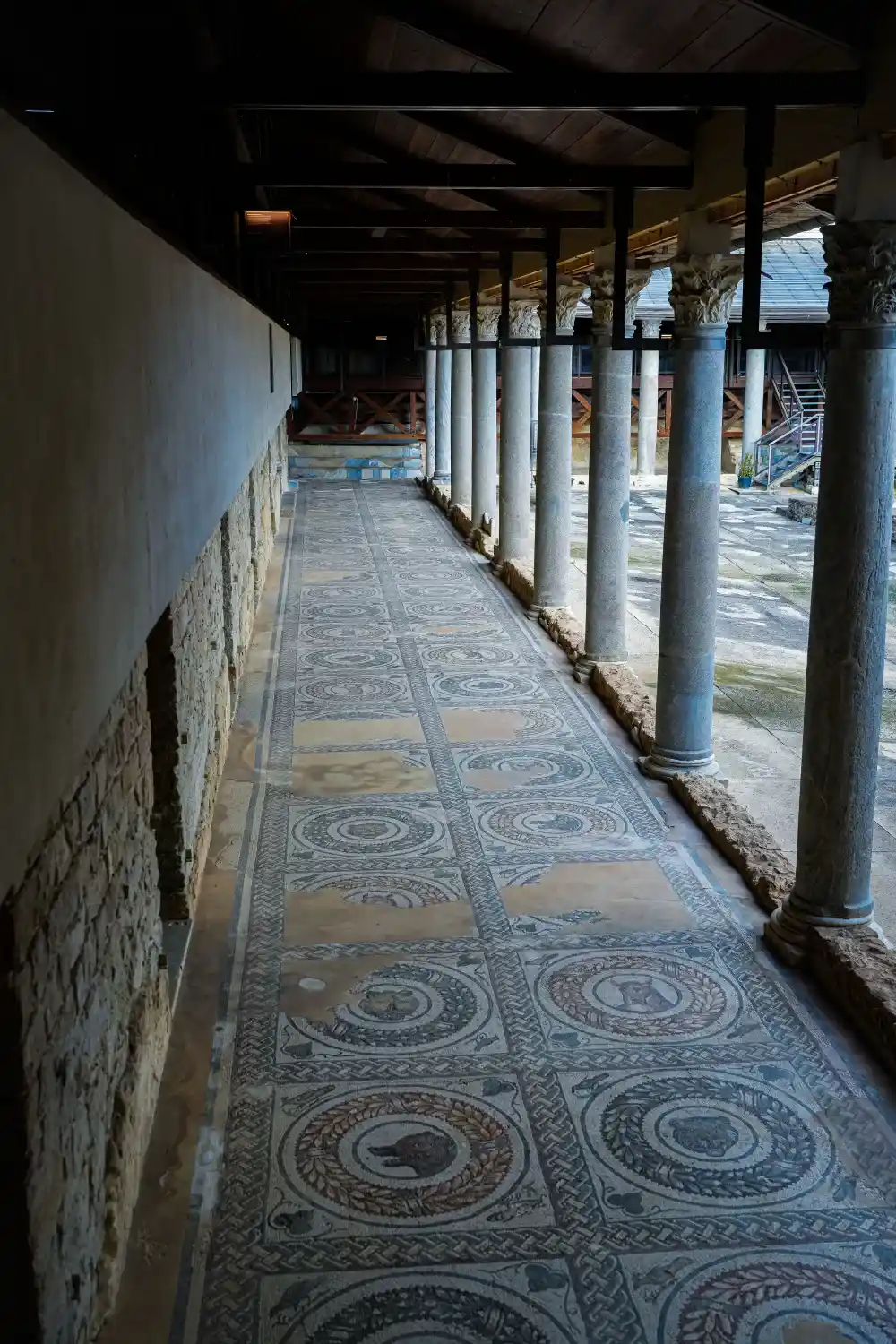
As I explored, I could almost imagine toga-clad nobles discussing politics in the reception hall, while attendants prepared perfumes and oils for the evening baths. The peristyle courtyard, lined with columns and adorned with animal-head reliefs, served as the heart of the villa — a space where guests would have been welcomed before entering the magnificent basilica (throne room).
The scale of the architecture alone is breathtaking, but what truly brings Villa Romana del Casale to life are its mosaics — masterpieces of storytelling rendered in stone.
The Mosaics of Villa Romana del Casale: Ancient Art Frozen in Time
The mosaics of the villa are among the finest examples of Roman craftsmanship ever discovered. With over 3,500 square meters of colorful tesserae, they transform the floors into vivid, living canvases.
Each mosaic tells a different story, offering a window into the daily life, beliefs, and imagination of ancient Rome. The level of detail is astonishing — expressive faces, graceful movement, and rich colors that have survived nearly 1,700 years beneath the earth.
Here are some of the villa’s most famous mosaics that left me in awe:
The Great Hunt (La Grande Caccia)
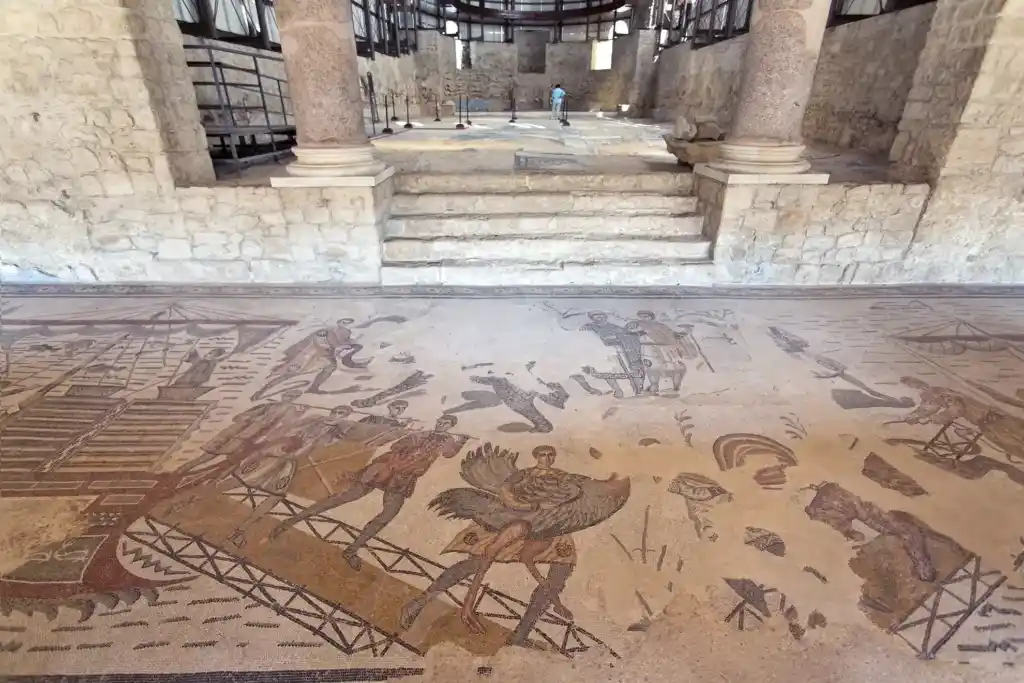
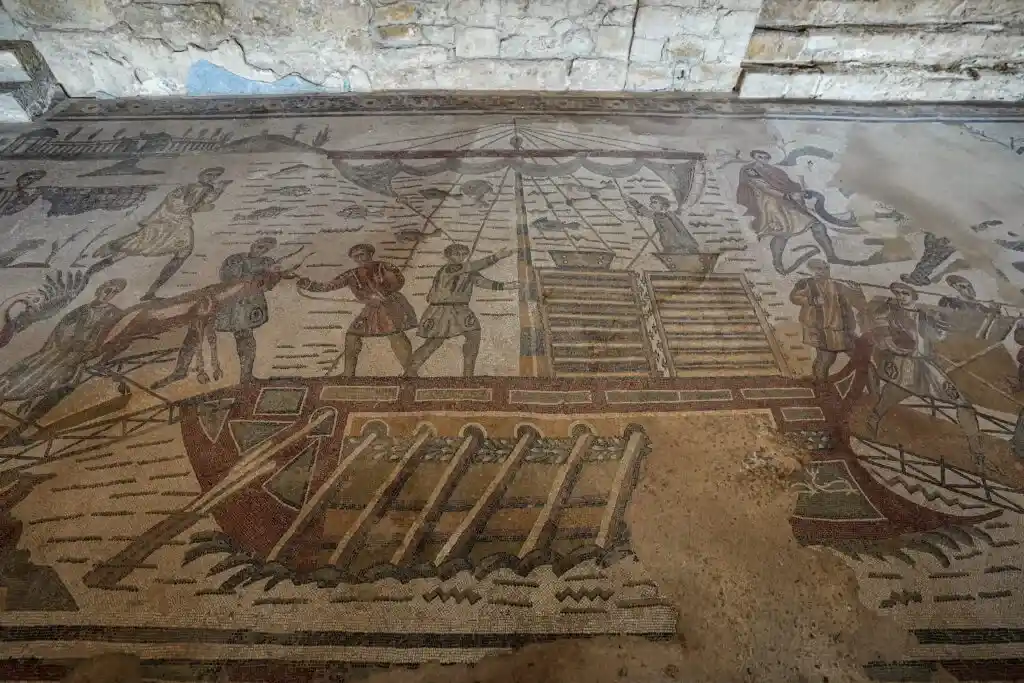
The Great Hunt Mosaic is the villa’s crown jewel — an immense floor composition that stretches through a long corridor. It depicts a grand imperial hunting expedition, where exotic animals such as lions, tigers, elephants, and leopards are captured alive and loaded onto ships bound for Rome.
The dynamic movement and storytelling in this scene are extraordinary. You can see the determination of hunters, the tension of animals resisting capture, and the logistical scale of the operation. This mosaic was likely intended to glorify the villa’s owner, symbolizing control over nature and the vastness of the Roman Empire.
Standing above this floor, I felt like I was witnessing a cinematic moment from antiquity — a celebration of power, adventure, and triumph frozen forever in stone.
The Room of the Gymnasts – The Famous “Bikini Girls”
One of the most surprising mosaics I encountered was the Room of the Gymnasts, home to the world-famous “Bikini Girls.” These young women, dressed in two-piece garments, are shown performing athletic exercises — running, throwing a discus, and lifting weights.
It’s remarkable to realize that this 4th-century artwork predates the modern bikini by more than 1,600 years! But beyond that, it reveals the progressive Roman view of women’s athleticism and the celebration of physical beauty and discipline.
This mosaic is not only delightful but also symbolic of Roman culture’s appreciation for sport, competition, and balance between body and mind.
The Labors of Hercules
In another chamber, I stood before the Labors of Hercules, a powerful depiction of the mythological hero’s legendary feats. Each scene captures Hercules in dynamic motion, showcasing the Roman admiration for strength, endurance, and divine favor. The vivid colors and lifelike poses make this mosaic feel almost animated, as if Hercules might step out of the floor at any moment.
The Hall of Orpheus and the Music of Civilization
One of the villa’s more serene mosaics features Orpheus. The mythical musician who could charm all living creatures with his lyre. Surrounded by animals listening in peaceful harmony. This mosaic reflects a world where art and nature coexist in perfect balance. A theme deeply valued in Roman thought.
Baths, Banquets, and the Luxury of Leisure
The villa also features one of the most sophisticated Roman bath complexes ever found. Complete with heated floors, steam rooms, and cold plunge pools. Walking through the remains of these spaces. I could almost feel the warm air that once circulated beneath the marble floors, carrying the aroma of oils and incense.
Roman baths weren’t merely for hygiene; they were social and political spaces, where conversations, deals, and friendships were forged. Combined with the villa’s banquet halls and gardens, the baths reveal the epicurean lifestyle of its elite residents. People who valued comfort, culture, and refinement in every detail of daily life.
The Mystery of the Villa’s Owner
To this day, the true identity of Villa Romana del Casale’s owner remains a mystery. Some scholars believe it belonged to Marcus Aurelius Maximianus, a co-emperor of the Western Roman Empire. While others argue it was owned by a powerful Sicilian aristocrat.
Whoever the patron was, the villa’s opulence and scale clearly indicate a figure of immense wealth and influence. The combination of imperial iconography, mythological themes, and hunting scenes all point to someone deeply entrenched in Rome’s ruling class.
UNESCO Recognition and Modern Legacy
In 1997, Villa Romana del Casale was officially inscribed on the UNESCO World Heritage List. For its exceptional preservation of Roman mosaics. And its insight into aristocratic life during the late Roman Empire.
Thanks to meticulous restoration efforts, visitors today can walk on raised walkways and admire the mosaics from above. Ensuring their protection while allowing for an intimate viewing experience.
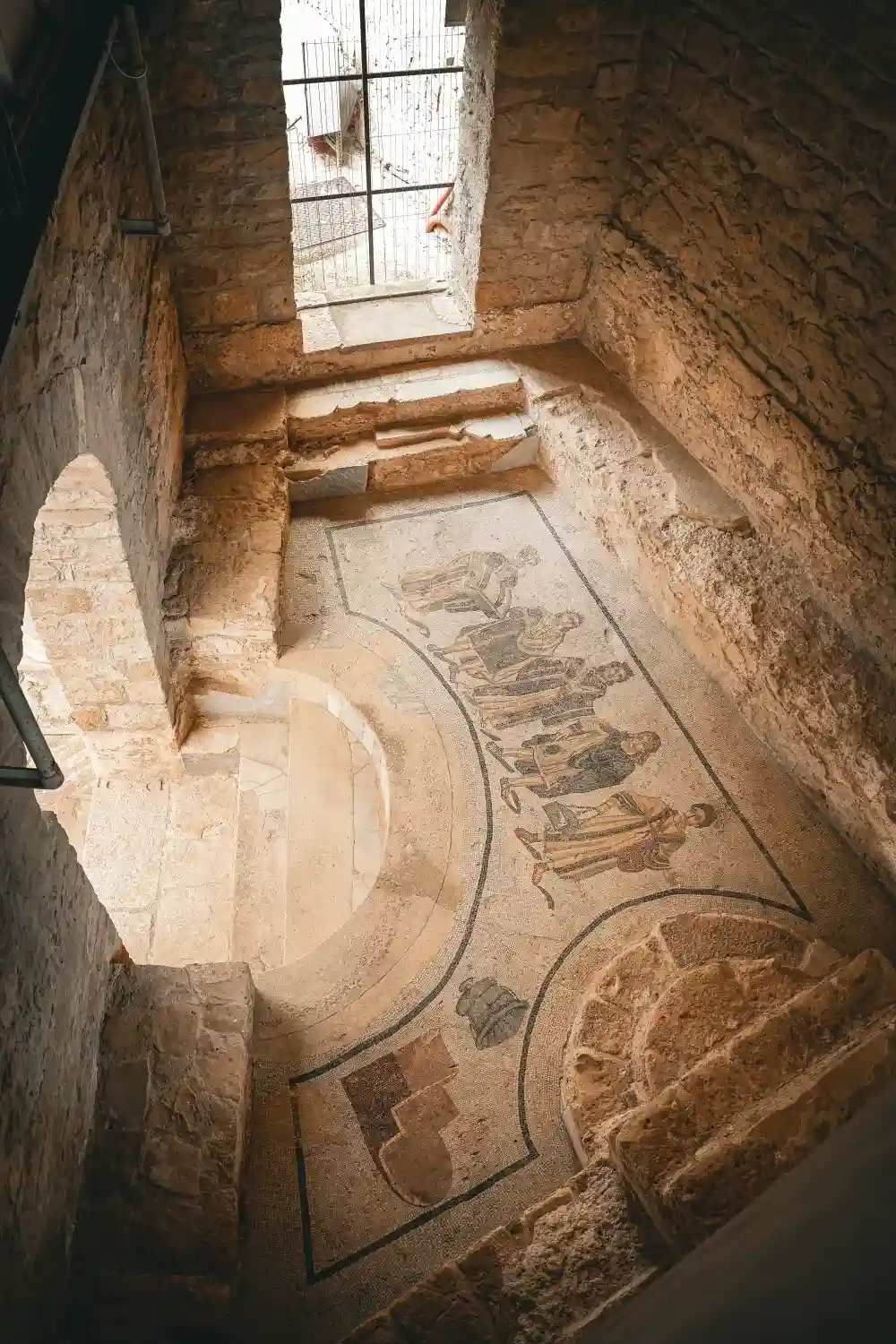
Standing amidst these ancient halls. I couldn’t help but feel connected to the countless generations that had passed before me — emperors, archaeologists, and travelers. All drawn to the villa’s eternal beauty.
Conclusion: Why You Must Visit Villa Romana del Casale
Visiting Villa Romana del Casale is like stepping into a time capsule that brings the grandeur of ancient Rome vividly to life. Its mosaics are not just decorations but living stories. Tales of gods, heroes, athletes, and everyday life that continue to inspire awe.
For anyone exploring Sicily, this villa is an absolute must-see. It combines history, art, and imagination in a way few places on Earth can match. As I left the site, the warm Sicilian sun on my face, I realized I hadn’t just visited an ancient ruin. I had walked through the echoes of an empire, where stone still whispers the stories of Rome’s golden age.
ALSO READ: The Walls of Thessaloniki: Guardians of the Byzantine Empire