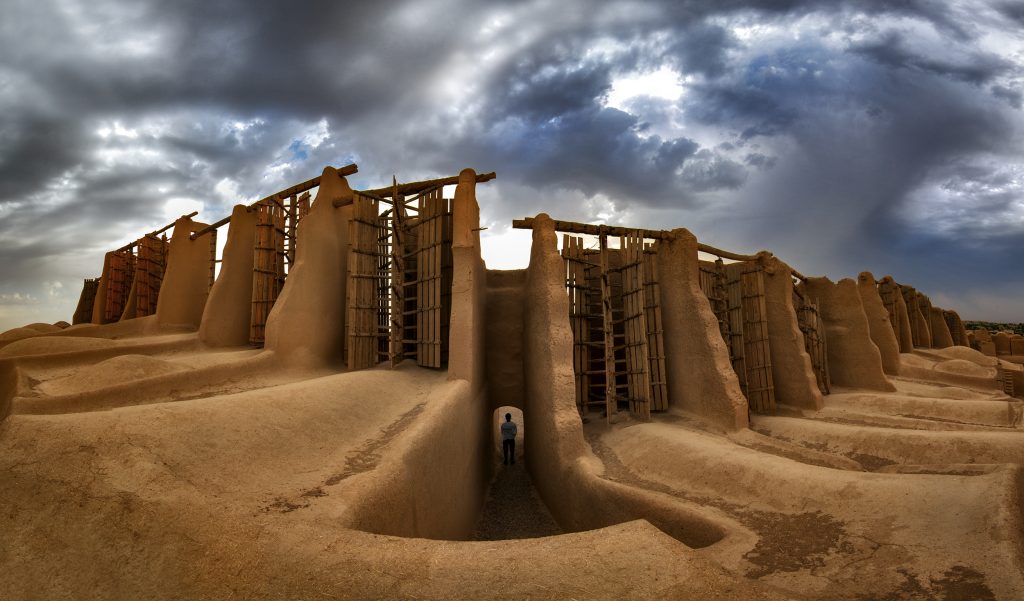
One of the Oldest Windmills in the World: The Neştifan Windmills of Iran
Ancient Persian Technology Still in Motion
In the windswept village of Neştifan (Nashtifan) in Iran’s Khorasan Razavi province, a collection of ancient windmills has stood for more than a thousand years, silently recording human ingenuity. Known as the Neştifan Windmills, these structures are recognized as some of the oldest functioning windmills in the world, a testament to early Persian engineering.
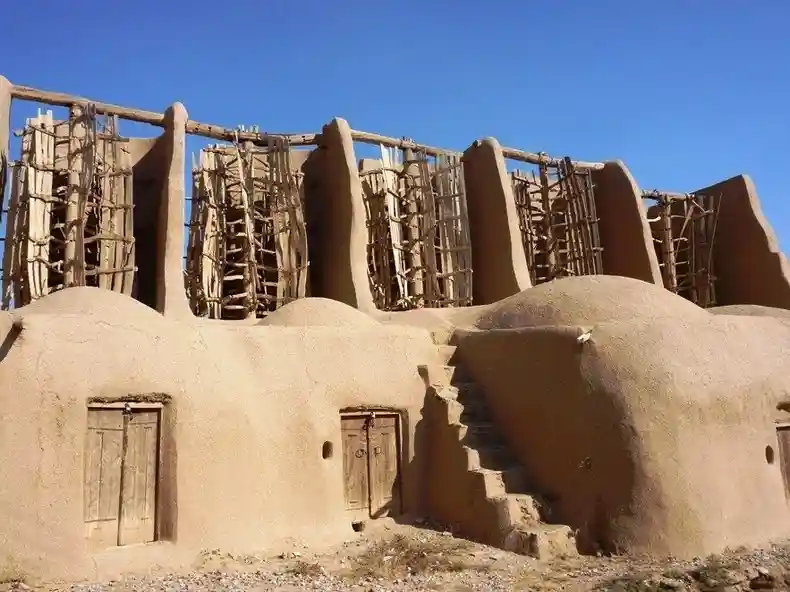
Built from clay, mud, straw, and wood, these vertical-axis windmills continue to turn with the force of strong desert winds, grinding wheat into flour for local villagers. Their resilience and unique design not only influenced later European windmills but also earned them a place on UNESCO’s list of sites to be protected.
Despite their age and importance, the future of the Neştifan Windmills is uncertain, as modern technology overshadows their efficiency. Yet, their historical and cultural legacy makes them invaluable to both Iran and the world.
The Origins of Neştifan Windmills
The Neştifan Windmills are believed to date back to the 7th century AD, during the early Islamic period of Iran, though their design may have roots in even older Persian Empire innovations. Persia, known for its scientific and architectural achievements, pioneered many early technologies, including qanats (underground water channels) and astrolabes.
The placement of these windmills in Neştifan was no coincidence. The region has long been famous for its powerful winds, strong enough to shape daily life. In fact, the word “Neştifan” itself comes from Persian, meaning “Torment of the Storm”, a reflection of the harsh and unrelenting winds that dominate the landscape.
Where others saw a hostile climate, Persian engineers saw an opportunity: harnessing the force of the storm winds to grind grain.
How the Neştifan Windmills Work
Unlike the towering horizontal-axis windmills that later became common in Europe, the Neştifan Windmills employ a vertical-axis system.
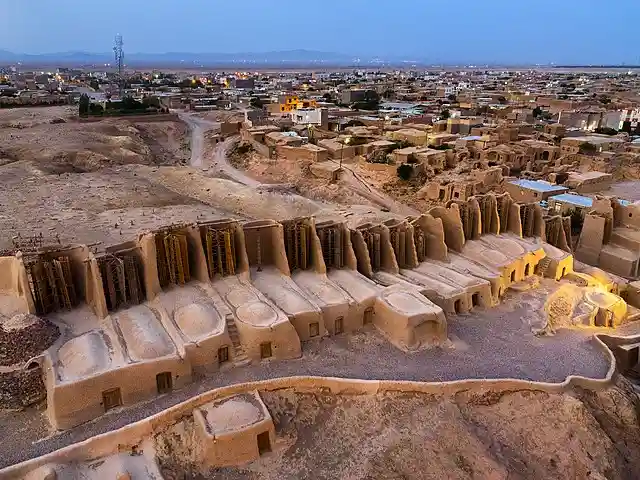
Key Features of the Design:
-
Vertical Axis: The central shaft stands perpendicular to the ground.
-
Parallel Blades: The wooden blades are aligned parallel to the earth.
-
Push Mechanism: Unlike modern wind turbines, which work on the principle of wind lifting and turning the blades, the Neştifan Windmills work on the principle of wind pushing the blades forward.
-
Materials: Built entirely of clay, straw, and wood, these mills blend seamlessly into the desert environment.
Structure Details:
-
Around two dozen windmills still exist in the village.
-
Each windmill has eight chambers, with six blades per chamber.
-
The blades, turned by the strong winds, rotate the vertical shaft, which in turn powers the millstone used for grinding wheat.
This ingenious design demonstrates a balance between simplicity, local materials, and functionality, showcasing the adaptability of early Persian engineers.
A Legacy That Inspired Modern Windmills
The Persian vertical-axis windmill design had a profound influence on the development of wind power in other parts of the world.
-
When knowledge of wind technology spread westward, it inspired the horizontal windmills found later in northern France, eastern England, and the Netherlands.
-
The Dutch and Belgian windmills that are iconic today owe part of their lineage to ancient Persian innovations.
The Neştifan Windmills, therefore, are not just a local curiosity; they are part of the global history of renewable energy and human adaptation to nature.
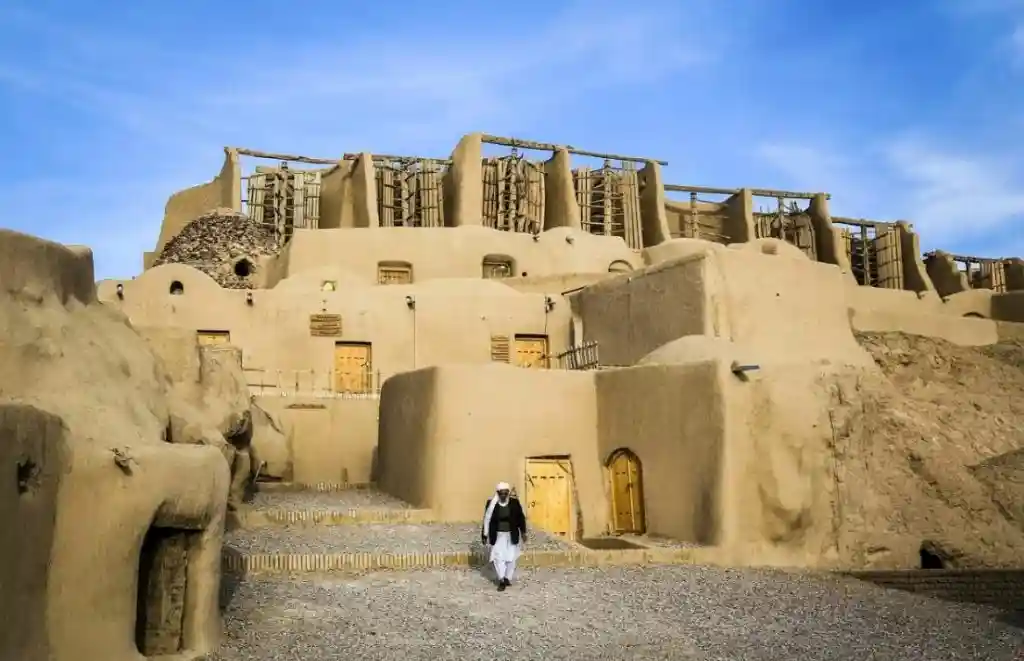
Cultural and Historical Significance
The Neştifan Windmills hold deep significance beyond their mechanical function:
-
Heritage of Ingenuity – They represent one of humanity’s earliest attempts at harnessing natural forces for productive work.
-
Community Identity – For centuries, villagers used these windmills to grind wheat, a vital step in their daily sustenance.
-
Art and Technology – Their design beautifully integrates functionality with the aesthetics of Persian mud-brick architecture.
-
Protected Heritage – Recognized by UNESCO and declared a national heritage site by Iran in 2002, they are preserved as cultural monuments.
The windmills symbolize the Persian philosophy of working with nature rather than against it, a mindset that continues to resonate in discussions of sustainable energy today.
The Future of Neştifan Windmills: A Struggle Against Time
Despite their historical importance, the Neştifan Windmills face an uncertain future.
Challenges They Face:
-
Low Efficiency – By modern standards, the mills produce very little energy. Reports suggest they cannot even power a simple light bulb when connected to a generator.
-
Declining Use – Fewer villagers rely on them today, with only a small group continuing the tradition of grinding wheat.
-
Generational Gap – Younger generations are less inclined to maintain or use the mills, raising fears they may one day be abandoned.
-
Weathering and Decay – Made of clay and straw, the structures are vulnerable to erosion, storms, and neglect.
The Iranian government’s recognition of the site as a national treasure has slowed the decline, but without active preservation programs, the structures risk becoming mere ruins rather than living heritage.
Preserving Neştifan: A Call for Action
For the villagers, continued use of the Neştifan Windmills is more about honoring tradition than efficiency. The windmills are part of their identity and heritage.
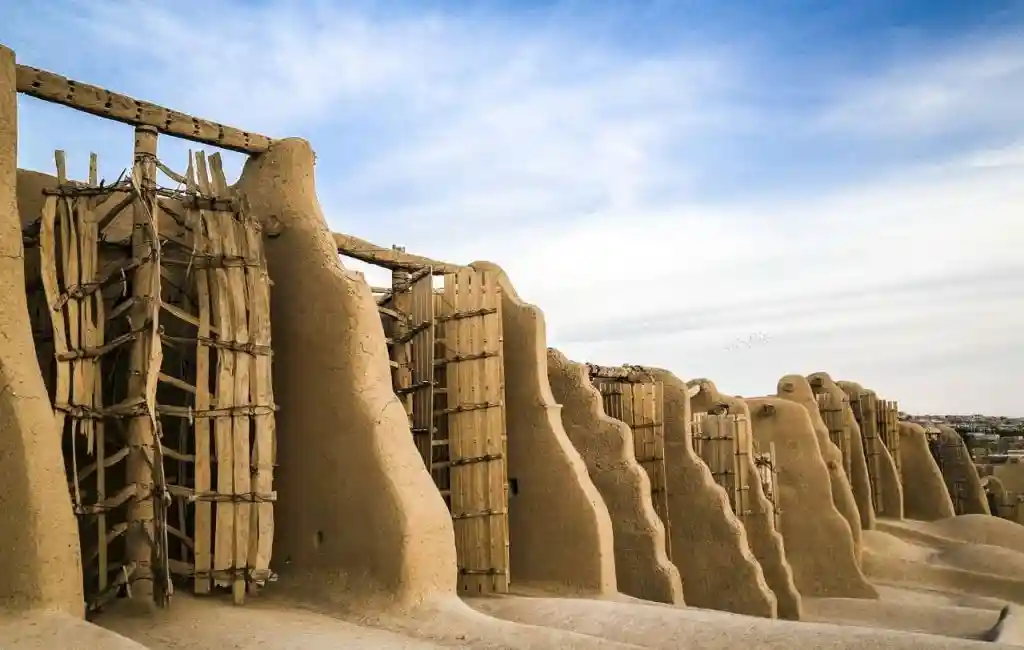
To ensure their survival, several steps could be considered:
-
Conservation Programs – Regular maintenance using traditional materials to preserve authenticity.
-
Tourism Development – Promoting Neştifan as a cultural tourism destination could generate revenue to fund preservation.
-
Educational Projects – Teaching younger generations about the history and value of the mills.
-
Global Awareness – Highlighting the windmills in international heritage forums could bring in support from UNESCO and preservation groups.
If preserved and promoted properly, the Neştifan Windmills could stand as a global symbol of early renewable energy and inspire future discussions on sustainability.
Why the Neştifan Windmills Matter Today
In a world increasingly focused on renewable energy, the Neştifan Windmills are a powerful reminder that humanity has been harnessing natural forces for centuries.
-
They show how traditional knowledge adapted to local conditions can inspire modern sustainable practices.
-
They highlight the importance of protecting cultural heritage while also learning from it.
-
They serve as a bridge between the ancient world and today’s technological challenges, proving that innovation is not new—it is timeless.
Visiting the Neştifan Windmills
Travelers who venture to Neştifan will find:
-
A collection of towering mud-brick windmills, some still in operation.
-
A chance to witness traditional wheat grinding, preserved as a cultural practice.
-
Stunning views of the windswept Khorasan Razavi province, with its desert landscapes shaped by nature’s power.
For heritage enthusiasts, the Neştifan Windmills offer not just a historical site but a living lesson in human creativity and resilience.
Conclusion: A Thousand Years of Wind and Wisdom
The Neştifan Windmills are not just relics of the past—they are enduring symbols of human ingenuity. For over a millennium, they have stood against the fierce desert winds, grinding grain for generations of villagers while inspiring future innovations in wind technology.
Though their efficiency is limited by modern standards, their value lies in their history. Their cultural role, and their message: that even in the harshest of environments. Human beings have always found ways to work with nature’s power.
As we look to the future of renewable energy, the Neştifan Windmills remind us that the path forward is built on the wisdom of the past. Protecting them is not only about preserving Iran’s heritage but also about honoring humanity’s timeless spirit of invention.