The Northern Wei Dynasty Sakyamuni Statue of Yecheng: A Hidden Treasure of Buddhist Art
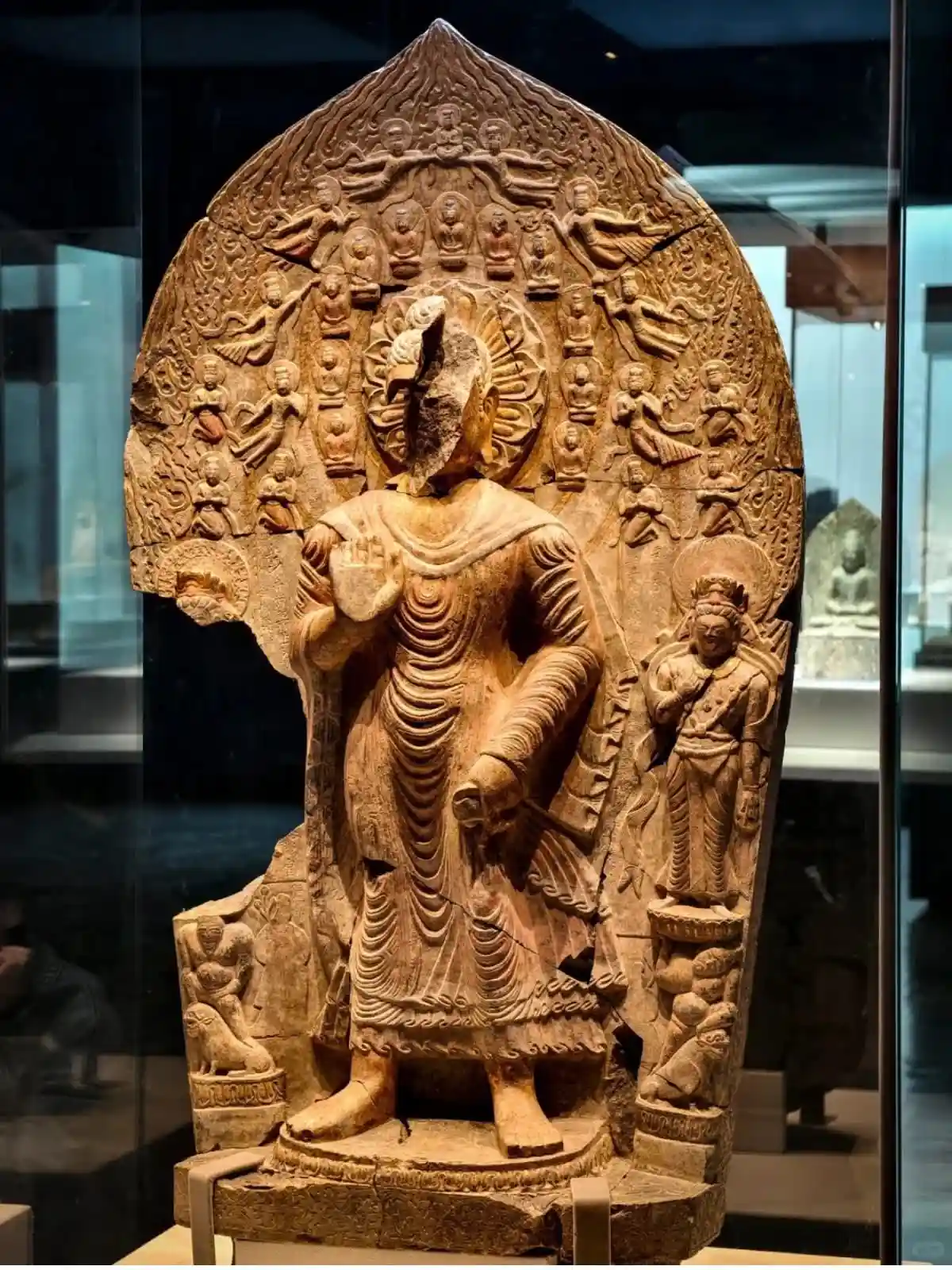
In 2012, archaeologists unearthed a Northern Wei Dynasty Sakyamuni statue from a Buddhist artifact burial pit in Yecheng, Hebei Province, China. Alongside the statue, nearly 3,000 sculptural fragments emerged, offering invaluable insights into the spread and preservation of Buddhism in northern China.
Yecheng, once a thriving hub of Buddhist culture in East Asia, played a crucial role in shaping the religious and artistic traditions of the region. The burial pit, believed to have been created in 577 AD, reflects a dramatic moment in history when local monks and devotees sought to protect sacred images during Emperor Wu of Northern Zhou’s anti-Buddhist campaign.
This discovery sheds light not only on the artistic brilliance of the Northern Wei Dynasty (386–534 AD) but also on the resilience of Buddhist faith in times of persecution.
Historical Background: Buddhism in the Northern Wei Dynasty
The Rise of Buddhism in China
Buddhism entered China during the Han Dynasty but flourished during the Northern and Southern Dynasties period (4th–6th centuries AD). The Northern Wei rulers embraced Buddhism, patronizing temples, cave complexes, and monumental statues.
Northern Wei Patronage of Buddhist Art
The dynasty is particularly celebrated for its sculptural art, especially at the Yungang Grottoes and Longmen Grottoes, where colossal images of the Buddha and bodhisattvas were carved. These works exhibit a blend of Indian, Central Asian, and Chinese artistic influences, creating a unique visual language of Buddhist devotion.
Yecheng as a Buddhist Center
Yecheng, a major political and cultural hub, became an influential center of Buddhist worship. Temples and workshops thrived, producing statues and artifacts that served both religious and cultural functions.
The Discovery at Yecheng
Unearthing the Statue
In 2012, excavations revealed a burial pit near the riverbank in Yecheng, containing thousands of Buddhist artifacts. Among the fragments, a Northern Wei Sakyamuni statue stood out as a centerpiece of historical and artistic value.
The Burial of 577 AD
The artifacts appear to have been buried hurriedly and secretly around 577 AD. Historical records describe Emperor Wu of the Northern Zhou Dynasty launching a sweeping anti-Buddhist campaign, ordering temples destroyed and images dismantled.
To protect these sacred objects, monks and devotees carefully buried them in pits, hoping to shield them from desecration. The Yecheng pit is thus a time capsule of faith under siege, preserving relics that might otherwise have been lost.
Artistic Features of the Northern Wei Sakyamuni Statue
Material and Style
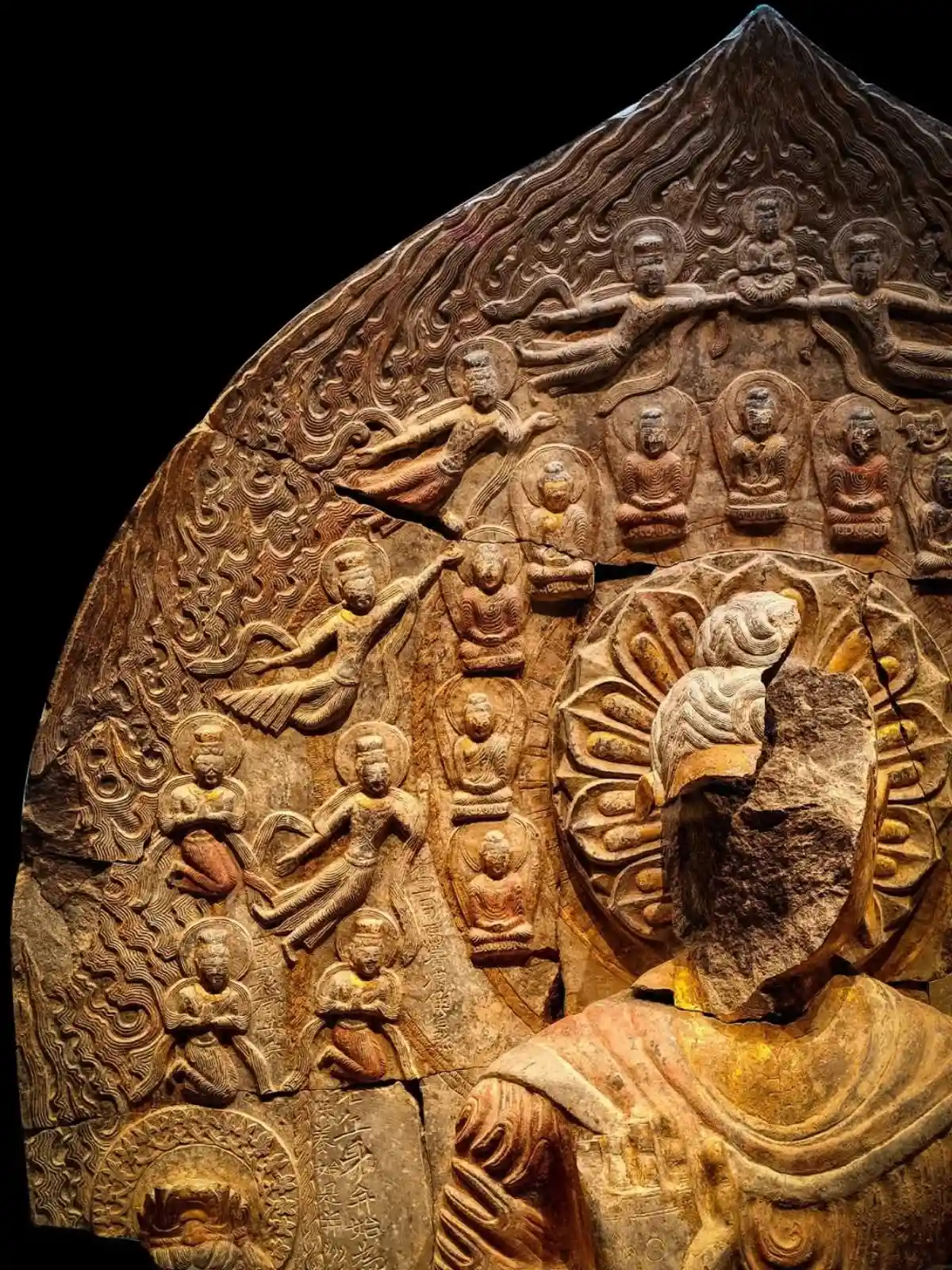
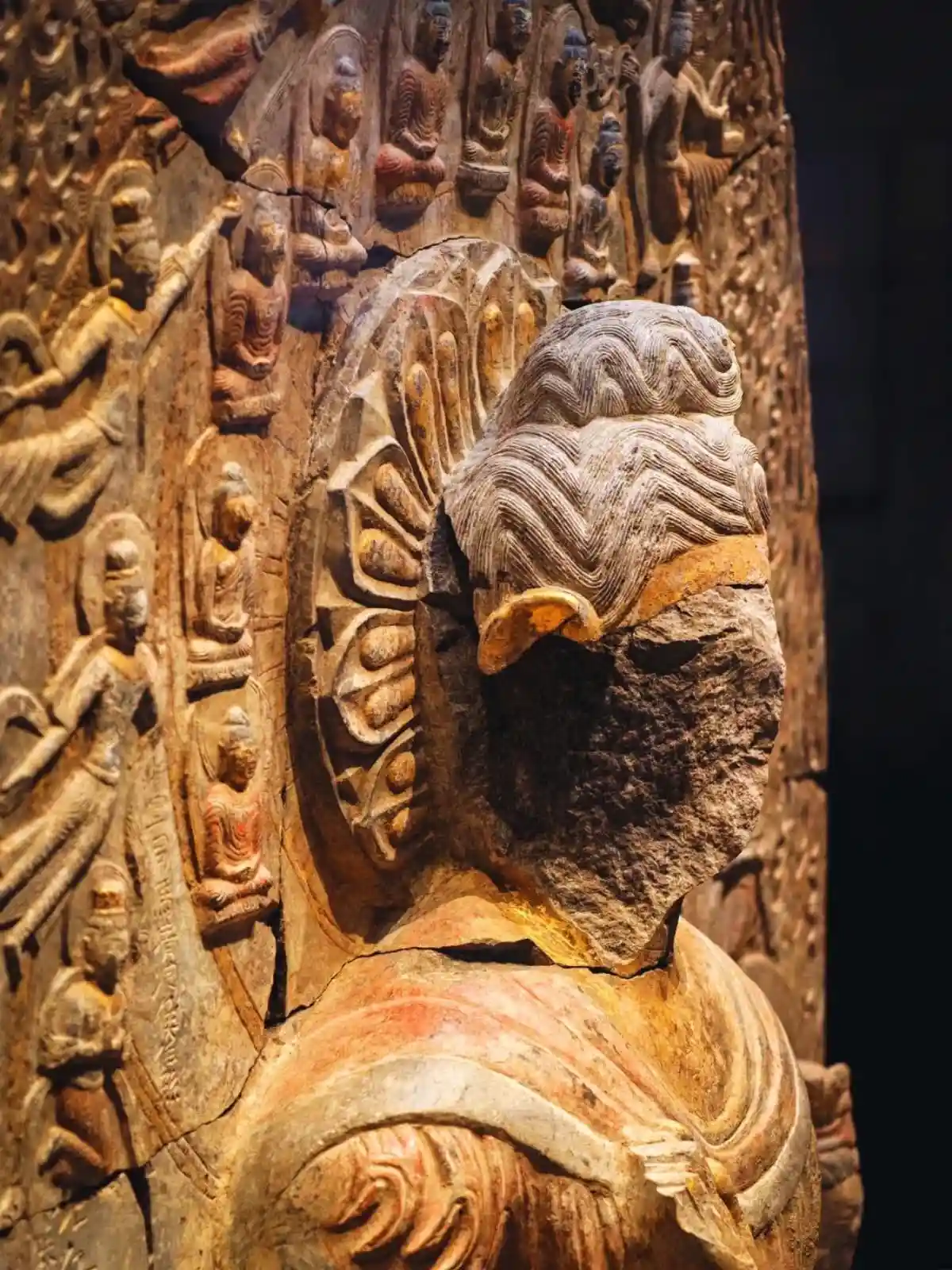
The statue, crafted from stone with traces of gilding and pigment, reflects the stylistic hallmarks of Northern Wei Buddhist art:
-
Elongated proportions and slender body forms.
-
Drapery carved in rhythmic, flowing patterns reminiscent of Indian Gupta influences.
-
A serene expression of meditative calm, embodying the Buddha’s spiritual essence.
Iconography
As a representation of Sakyamuni, the historical Buddha, the statue displays traditional features:
-
Ushnisha (cranial protuberance) symbolizing wisdom.
-
Elongated earlobes representing renunciation of earthly wealth.
-
Hands positioned in a mudra (ritual gesture), likely signifying teaching or meditation.
Comparisons
Similar statues from the Yungang and Longmen Grottoes help contextualize the Yecheng find, confirming stylistic parallels and regional adaptations of Buddhist imagery.
Symbolism and Religious Meaning
Sakyamuni as a Spiritual Guide
For early Chinese Buddhists, images of Sakyamuni provided more than visual decoration—they were objects of devotion and meditation, serving as conduits to enlightenment.
Preservation as an Act of Faith
The decision to bury statues rather than destroy them demonstrates devotees’ determination to protect sacred icons, affirming the enduring spiritual significance of these images even when threatened by political power.
Emperor Wu’s Anti-Buddhist Campaign
Political and Religious Conflict
Emperor Wu of Northern Zhou (r. 561–578) believed Buddhism threatened state authority. In 577 AD, he issued edicts dismantling temples, confiscating land, and destroying or repurposing religious icons.
Impact on Buddhist Communities
The campaign devastated Buddhist communities across northern China. Thousands of monks were defrocked, monasteries dismantled, and works of art destroyed. Yet the Yecheng burial illustrates how faithful communities resisted obliteration through preservation.
Long-Term Consequences
Though devastating, the suppression was temporary. By the Sui (581–618) and Tang (618–907) dynasties, Buddhism revived and flourished, leading to new eras of artistic and cultural achievements.
Archaeological and Cultural Significance
Insights from the Burial Pit
The discovery of nearly 3,000 fragments offers unparalleled insights into:
-
Workshop practices in Northern Wei Yecheng.
-
The range of sculptural forms, from Buddhas to bodhisattvas and guardians.
-
Religious life and community resilience during times of persecution.
Broader Implications
The find highlights the interconnectedness of politics, religion, and art in Chinese history. It demonstrates how art served as both a spiritual practice and a political symbol, vulnerable to the shifting tides of imperial policy.
The Northern Wei Sakyamuni Statue Today
Preservation and Study
Since its excavation, the statue has undergone careful conservation. Archaeologists and art historians continue to study it, comparing stylistic features with other Northern Wei masterpieces.
Public Display
The statue and fragments are exhibited in regional museums, allowing the public to witness firsthand the spiritual artistry and historical depth of Chinese Buddhism.
Continuing Legacy
For modern audiences, the statue stands as a symbol of:
-
The endurance of faith amid adversity.
-
The artistic brilliance of the Northern Wei period.
-
The cultural richness of Yecheng, a city that once thrived as a Buddhist center.
Conclusion
The Northern Wei Dynasty Sakyamuni statue of Yecheng, unearthed in 2012, is far more than an archaeological artifact. It represents a moment of resilience, when monks and devotees safeguarded their sacred icons from destruction during Emperor Wu’s campaign in 577 AD.
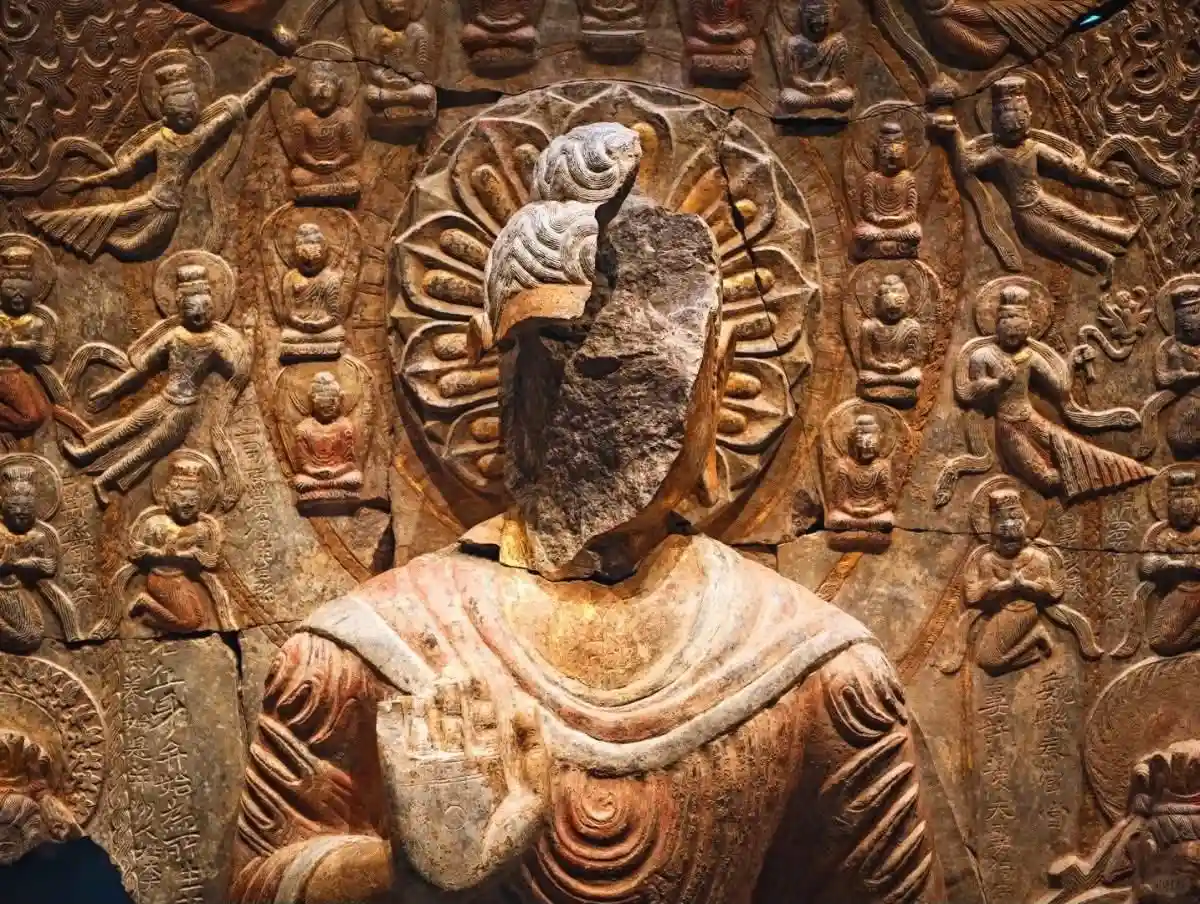
With nearly 3,000 fragments buried alongside it, the statue provides unparalleled insight into the artistic mastery and spiritual devotion of the Northern Wei period. Its serene form, elegant style, and symbolic burial tell a story of faith under persecution, highlighting the cultural importance of Buddhism in China’s history.
Today, preserved and studied, the statue continues to inspire awe, reminding us of the enduring power of art and faith to transcend time, politics, and destruction.
ALSO READ: The Portonaccio Sarcophagus: A Masterpiece of Roman Battle Imagery