Grace in Stone: The Dancers of the Tomb of Kagemni (2330 B.C.)
Deep within the sprawling necropolis of Saqqara, just south of modern Cairo, lies one of the Old Kingdom’s most enchanting monuments: the Tomb of Kagemni. Built around 2330 B.C. for Kagemni, the influential vizier of Pharaoh Teti (founder of Egypt’s Sixth Dynasty), the mastaba tomb is a masterpiece of architecture and artistry.
While the tomb’s scale and grandeur reflect Kagemni’s high status, it is the reliefs of dancers and acrobats that captivate modern viewers. These scenes, carved over 4,000 years ago, portray bodies in motion with an elegance that seems to transcend the rigid medium of stone. They reveal the joy, rhythm, and cultural significance of dance in ancient Egyptian society, preserving not only artistic brilliance but also the heartbeat of daily life and ritual.
Who Was Kagemni?
Vizier to King Teti
Kagemni served as vizier, the highest official under Pharaoh Teti. In the Old Kingdom, the vizier oversaw the judiciary, taxation, construction, and temple administration—effectively acting as the pharaoh’s chief executive.
A Man of Wealth and Influence
His mastaba tomb at Saqqara, one of the largest of its kind, testifies to his immense wealth and power. The scale and detail of its reliefs underscore his prominence in courtly and religious life.
The Tomb of Kagemni at Saqqara
Architectural Features
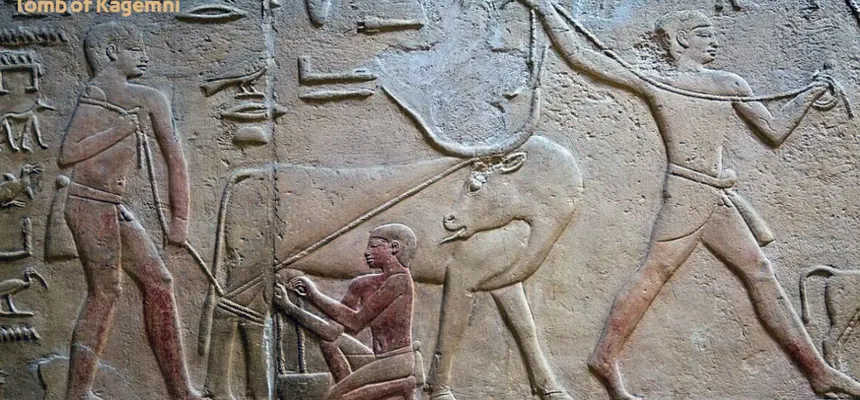
The Tomb of Kagemni is a mastaba, a flat-roofed, rectangular structure with sloping sides. Within, its chambers are richly decorated with carved and painted reliefs, capturing scenes of daily activities, ritual practices, and symbolic imagery of eternal life.
Artistic Flourishing in the Sixth Dynasty
The Old Kingdom is often called the “Age of the Pyramids,” but it was also a golden age of relief art. The artisans of Kagemni’s tomb mastered the delicate balance between realism and symbolism, rendering everyday scenes with stunning vitality.
The Dancers and Acrobats: Life in Motion
A Rare Theme in Old Kingdom Art
Among the most remarkable images in the tomb are reliefs of dancers, musicians, and acrobats. While banquets, hunting, and agricultural scenes are common in tombs, the depiction of female dancers and performers is relatively rare, making Kagemni’s tomb unique.
Grace in Stone
The dancers are shown:
-
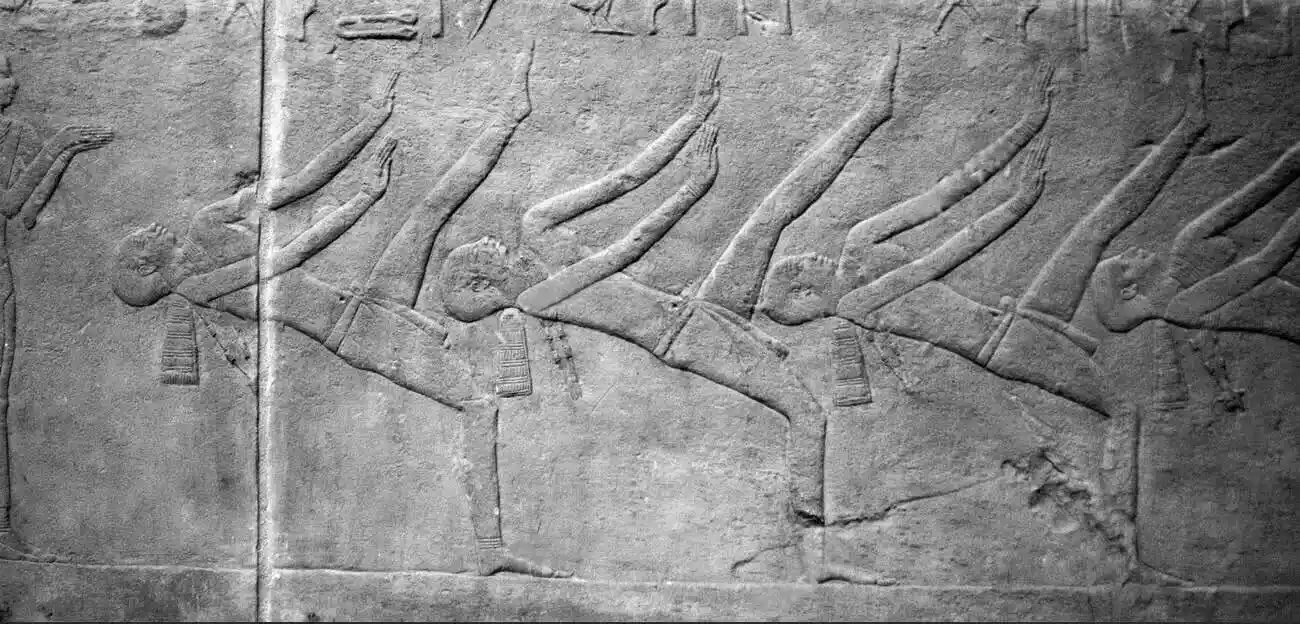
With outstretched arms and bent knees, capturing rhythmic gestures.
-
In fluid sequences, suggesting choreographed group movements.
-
Accompanied by clapping women and musicians, evoking sound and rhythm.
The acrobats, meanwhile, appear in poses that defy gravity—flipping, balancing, and stretching with remarkable realism. The artisans’ ability to convey motion on static walls is a testament to their skill.
Symbolism of Dance in Ancient Egypt
More Than Entertainment
Dance in ancient Egypt carried deep cultural meaning. It was not merely amusement but an expression of ritual devotion, fertility, and cosmic order. Dancers performed at festivals, funerals, and temple ceremonies, often representing the human connection to the divine.
Joy in Daily Life and the Afterlife
By including dancers in his tomb, Kagemni ensured that joyful performances would accompany him in eternity. Just as banquets and hunting scenes symbolized abundance in the afterlife, dancers embodied perpetual celebration, music, and vitality.
Music and Performance in the Reliefs
Instruments Depicted
Alongside the dancers, the reliefs show musicians playing:
-
Hand clappers and sistrums, producing rhythmic sounds.
-
Flutes or reed pipes, suggesting melodic accompaniment.
These instruments not only set the rhythm but also carried symbolic associations with deities like Hathor, goddess of music, love, and joy.
Accompaniment and Audience
The performers are often shown before groups of attendants or seated figures, implying that dance and music were integral to elite banquets and rituals.
Artistic Mastery of Old Kingdom Reliefs
Technique and Detail
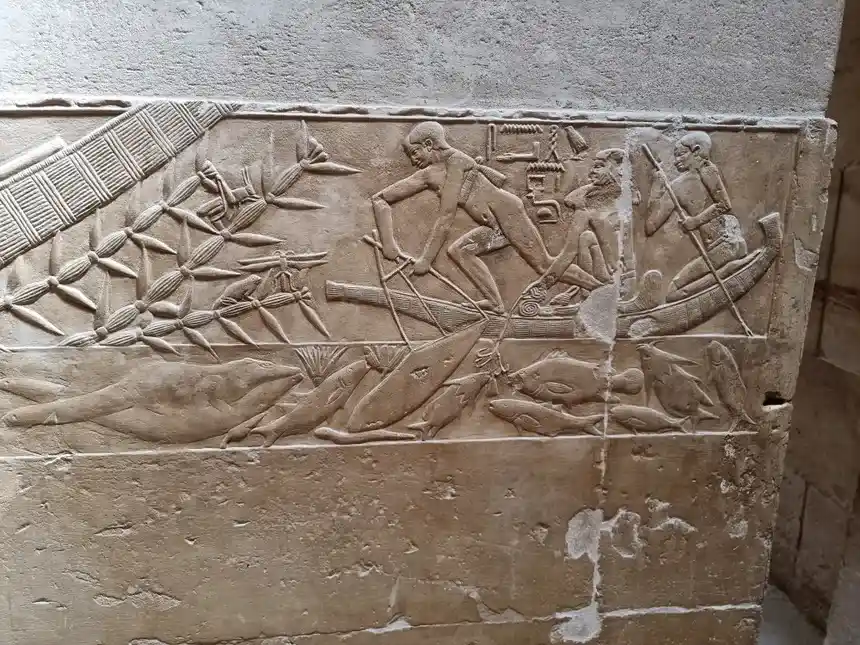
The reliefs are carved in low relief (bas-relief), with figures carefully incised into limestone walls. Details of hair, jewelry, and clothing highlight the individuality of performers.
Naturalism and Style
While Egyptian art is known for its strict canon of proportions, the Kagemni dancers stand out for their naturalistic poses. The artisans captured fluid motion without sacrificing symbolic clarity, merging realism with ritual meaning.
Cultural Insights from the Dancers of Kagemni
The Role of Women in Performance
The reliefs primarily depict female dancers and musicians, suggesting that women played a central role in performance culture. Their presence reflects broader aspects of gender and ritual in the Old Kingdom.
Celebration and Order
Dance represented not only joy but also ma’at, the cosmic balance upheld by Pharaoh and his court. By immortalizing dance, Kagemni aligned his afterlife with the eternal rhythm of harmony and abundance.
Comparisons with Other Tombs
The Tomb of Ti
Nearby at Saqqara, the Tomb of Ti also features entertainers and musicians, but the Kagemni reliefs are considered more refined and dynamic in execution.
Later Representations
Dance scenes would reappear in New Kingdom tombs, often in more elaborate forms. Kagemni’s tomb, however, represents an early and particularly striking example of this theme.
Preservation and Legacy
Survival Through Millennia
Despite exposure to time and environmental damage, the reliefs remain remarkably well-preserved. Archaeologists and conservators have worked diligently to document and protect these treasures.
A Timeless Message
The dancers of Kagemni remind us that joy, celebration, and artistic expression were as central to ancient lives as to our own. Through their movements frozen in stone, they bridge the gap between past and present.
The Tomb Today
Visitors to Saqqara can still admire the reliefs of Kagemni’s mastaba. Walking through its chambers, one encounters not only the grandeur of an elite burial but also the vibrant humanity of Egypt’s Old Kingdom, where art celebrated life in all its dimensions.
Conclusion
The Tomb of Kagemni dancers at Saqqara stand among the finest examples of Old Kingdom artistry. More than 4,000 years after they were carved, their fluid forms still pulse with rhythm and vitality. They embody the essence of Egyptian culture: a seamless fusion of daily life, religious devotion, and artistic brilliance.
Through their graceful movements preserved in stone, we glimpse a society that cherished music, dance, and celebration—not only as entertainment, but as an eternal expression of joy and cosmic harmony.
In the stillness of the tomb, the dancers of Kagemni continue to move, forever performing their roles in the great dance of eternity.
ALSO READ: Amarna Princess: The Mysterious Daughter of Nefertiti and Akhenaten