Thuya: The Powerful Matriarch Behind Egypt’s Greatest Dynasty
When we think of Ancient Egypt’s great rulers, names like Tutankhamun, Akhenaten, and Queen Tiye immediately come to mind. Yet behind these towering figures stood an equally influential woman: Thuya, the grandmother of Tutankhamun, mother of Queen Tiye, and a powerful matriarch of the 18th Dynasty.
Thuya was far more than a royal consort or courtly figure. She wielded political, religious, and cultural influence, holding elite titles such as “Singer of Hathor” and “Superintendent of the Royal Harems.” Her story, preserved through archaeology, offers a rare glimpse into how women shaped dynasties and secured legacies in Ancient Egypt.
Thuya’s Lineage and Marriage to Yuya
Yuya and Thuya: A Power Couple
Thuya married Yuya, a high-ranking court official and trusted advisor to Pharaoh Amenhotep III. Together, they formed a dynastic powerhouse. Yuya, of possibly non-Egyptian origin, held military and religious offices, while Thuya’s prestigious priestly roles placed her at the very heart of temple and palace life.
Connection to Pharaoh Ay?
Some scholars suggest Thuya’s family ties may have extended to Pharaoh Ay, who ruled briefly after Tutankhamun. If true, this would place her at the root of a powerful political network that shaped Egypt’s late 18th Dynasty succession.
Thuya as Mother of Queen Tiye
Raising a Queen
Thuya’s most famous child was Queen Tiye, the Great Royal Wife of Amenhotep III and mother of Akhenaten. Tiye herself was one of the most politically influential queens in Egyptian history, advising her husband and corresponding directly with foreign leaders.
Behind Tiye’s rise stood Thuya, who likely shaped her daughter’s political acumen, spiritual authority, and vision for leadership. By nurturing Tiye’s confidence and ambitions, Thuya ensured her family remained central to Egypt’s destiny.
Grandmother to Pharaohs
Through Tiye, Thuya became grandmother to both Akhenaten, the “heretic king” who revolutionized Egypt’s religion, and Tutankhamun, whose nearly intact tomb became the most famous archaeological discovery of the 20th century. In many ways, Thuya laid the groundwork for this remarkable royal lineage.
Thuya’s Religious and Political Authority
Titles of Prestige
Thuya held important religious offices that highlight her influence:
-
Singer of Hathor: A title linking her to the goddess of love, music, and motherhood.
-
Chief of the Entertainers of Amun: Signifying her role in temple rituals for the most powerful god of the Egyptian pantheon.
-
Superintendent of the Royal Harems: A position of enormous social and political power, overseeing the institution that produced royal heirs and maintained dynastic stability.
Role in Dynastic Politics
These titles were not ceremonial. They gave Thuya authority in the religious, cultural, and reproductive spheres that sustained royal power. Through her influence in the harem and temple, she directly shaped the traditions and politics of her time.
The Discovery of Tomb KV46
Unearthing a Treasure in the Valley of the Kings
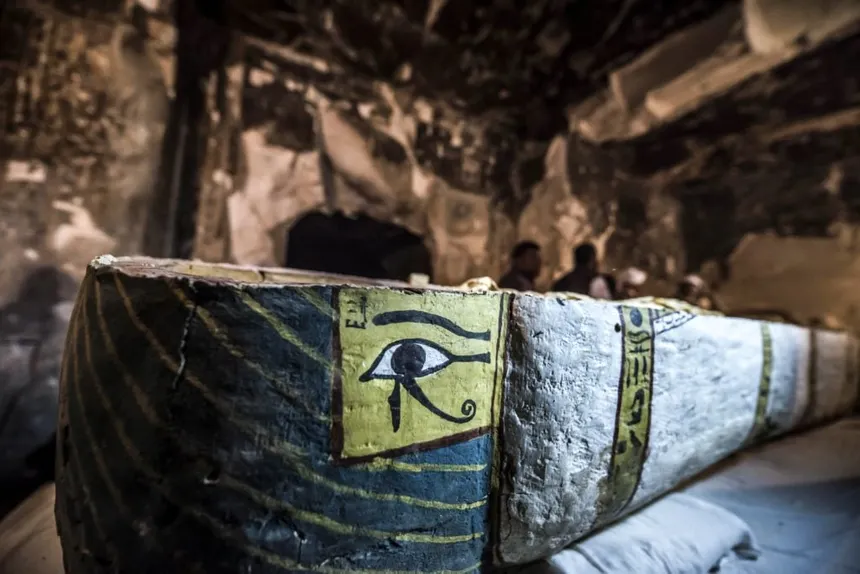
In 1905, Egyptologist James Quibell discovered Tomb KV46 in the Valley of the Kings. Inside lay the remarkably well-preserved burials of Thuya and her husband Yuya. Unlike most tombs, KV46 had remained relatively undisturbed, offering archaeologists extraordinary insights.
Rich Funerary Goods
The tomb contained a wealth of treasures, including:
-
Gilded coffins and funerary masks adorned with gold and precious stones.
-
Jewelry and amulets reflecting religious symbolism and personal devotion.
-
Chariots, furniture, and cosmetics containers used in daily life.
Among the most striking items were Thuya’s golden sandals, a powerful symbol of her status and reverence both in life and the afterlife.
Mummification and Preservation
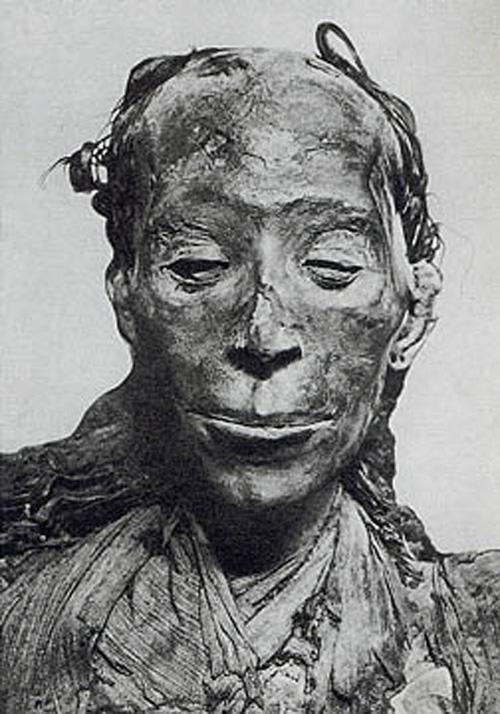
Thuya’s mummy was found in remarkable condition, with evidence of sophisticated embalming techniques. This preservation provides modern scientists with valuable information about royal mummification practices during the New Kingdom.
Thuya’s Legacy in Ancient Egypt
Influence Across Generations
Through her daughter Tiye and her grandchildren, Thuya’s influence rippled across generations:
-
Akhenaten’s radical reforms in religion and art can be traced to the boldness and intellectual climate fostered within her family.
-
Tutankhamun’s return to traditional values following Akhenaten’s reign reflects the dynastic resilience Thuya helped instill.
Women as Architects of Dynasties
Thuya’s life exemplifies how women in Ancient Egypt could act as dynastic architects, wielding soft power through religion, marriage, and family alliances. Far from being passive figures, women like Thuya played decisive roles in shaping Egypt’s political and spiritual destiny.
The Enduring Mystery of Thuya
Cause of Death Unknown
Despite the rich archaeological record, the circumstances of Thuya’s death remain uncertain. Her advanced age at burial suggests she died naturally, but no definitive evidence confirms this.
What KV46 Tells Us
The extraordinary preservation of her tomb and remains underscores the reverence Egyptians had for her status. Her burial alongside Yuya also emphasizes their joint importance in the royal narrative of the 18th Dynasty.
Thuya in Modern Memory
Today, Thuya is often overshadowed by her more famous descendants. Yet her story is just as compelling. She stands as a symbol of matriarchal power, embodying the critical yet often overlooked role of women in Ancient Egyptian politics, religion, and cultural life.
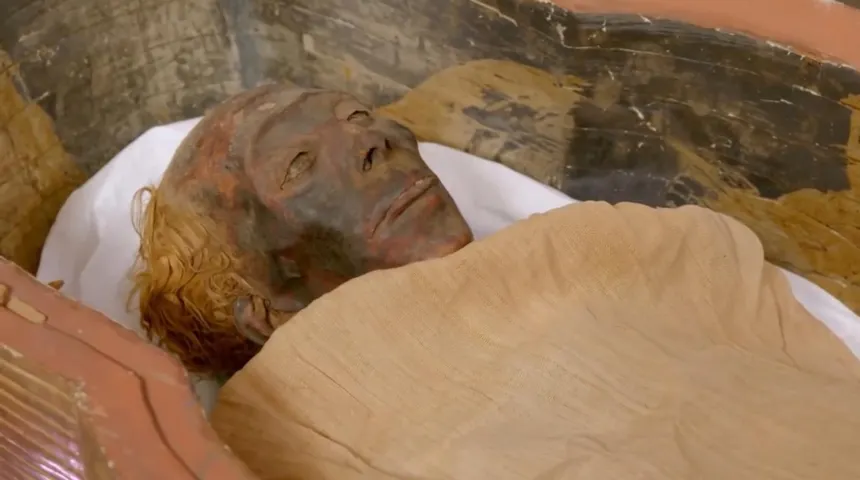
Her tomb continues to yield new insights for historians, archaeologists, and scientists alike. In every sense, Thuya’s legacy endures as a reminder that the destiny of kings and queens was often forged by the wisdom and strength of the women who came before them.
Conclusion
Thuya’s life reveals the immense power women could wield in Ancient Egypt. As mother of Queen Tiye, grandmother to Akhenaten and Tutankhamun, and wife of Yuya, she stood at the very heart of Egypt’s most transformative dynasty. Her prestigious titles, religious authority, and preserved tomb demonstrate the profound respect she commanded in life and in death.
From the gilded treasures of KV46 to the dynastic legacy carried forward by her descendants, Thuya’s story underscores the matriarchal foundations of Ancient Egyptian power. Though often overlooked, her role remains essential to understanding one of history’s greatest civilizations.
ALSO READ: Valley of the Moon in San Juan: Argentina’s Triassic Time Capsule