Valley of the Moon in San Juan: Argentina’s Triassic Time Capsule
A Journey Into Deep Time
In the north-east of San Juan Province, Argentina, lies one of the most surreal landscapes on Earth—the Valley of the Moon, known locally as Valle de la Luna. This provincial protected area borders Talampaya National Park in neighboring La Rioja Province, together forming a UNESCO World Heritage Site.
The Valley of the Moon is more than a desert of odd rock shapes and spherical boulders. It is a time capsule from the Triassic Period, over 200 million years ago, where erosion has sculpted landscapes resembling alien worlds and revealed fossils that shed light on the dawn of dinosaurs.
A Geological Wonderland
Mushroom Cliffs and Rounded Boulders
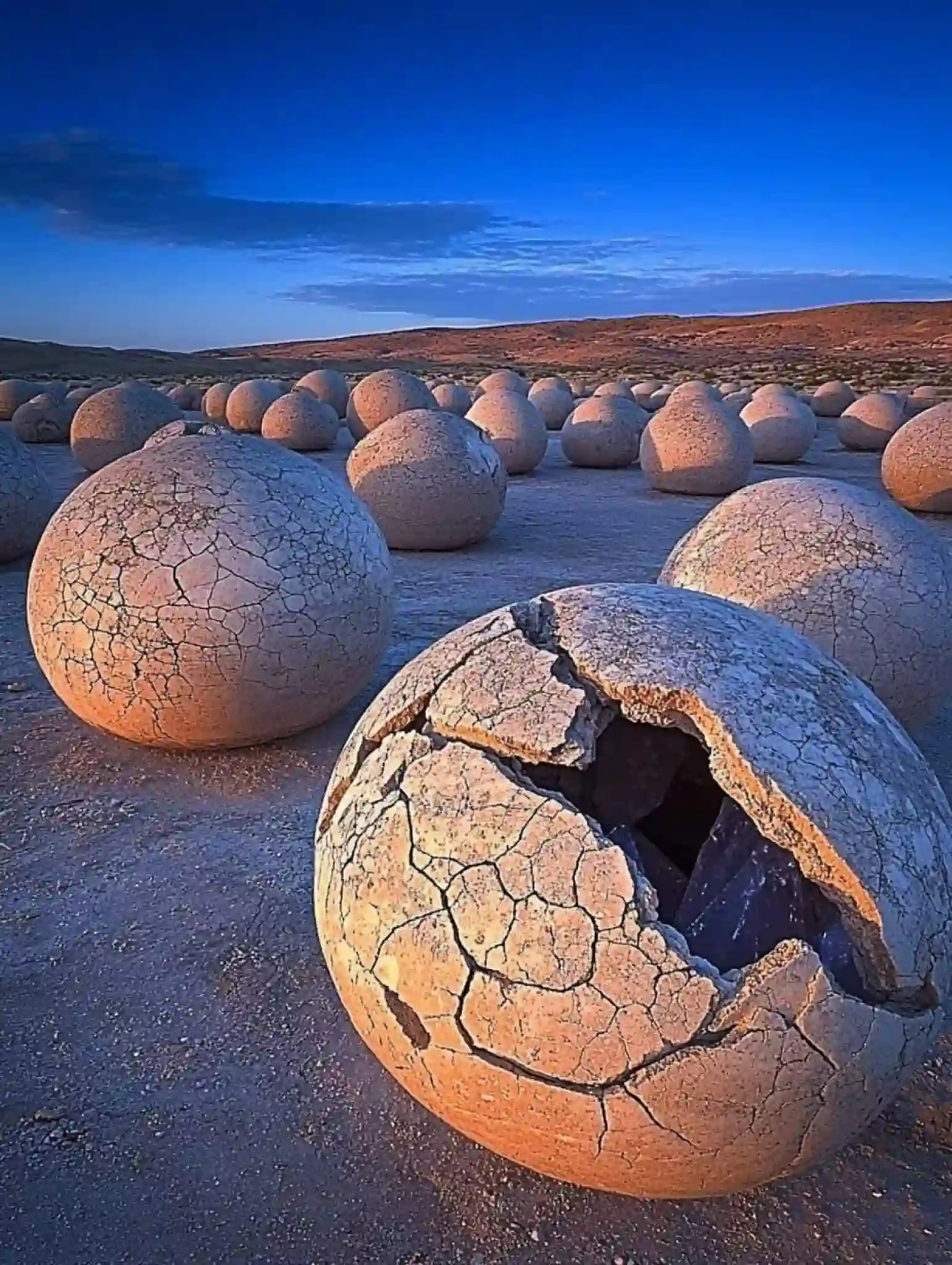
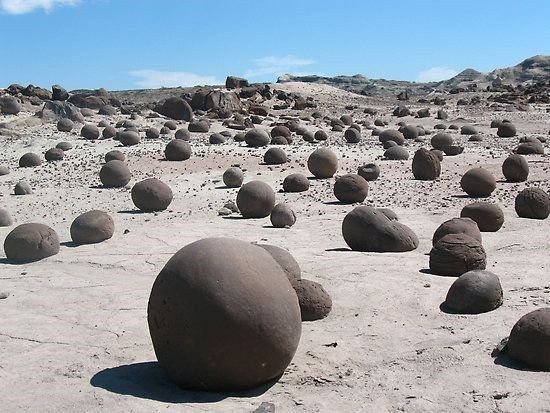
The valley is renowned for its mushroom-shaped cliffs, towering rock formations, and strange round boulders that litter the ground like giant marbles. These formations result from the patient work of wind and water erosion across millions of years.
Clay Formations and Sedimentary Layers
The valley’s colorful clay layers tell a story of geological change:
-
Reds and browns from iron oxides.
-
Whites and grays from clays and ash deposits.
-
Varied mineral bands that reveal ancient rivers, floods, and volcanic activity.
Walking through Valle de la Luna feels like stepping into a natural open-air museum, where every rock carries a fragment of Earth’s evolutionary history.
The Birth of the Landscape
From Fertile Ground to Desert
Though now arid, the Valley of the Moon was once fertile ground, home to lush vegetation and diverse prehistoric life. Over time, climatic shifts and tectonic plate movements reshaped the region, leaving behind the desert expanse we see today.
Tectonic Movements
Millions of years later, collisions and shifts of tectonic plates uplifted and exposed the valley. Sedimentary layers that had been buried under kilometers of younger rock came back to the surface, allowing scientists to study them.
The Work of Wind and Water
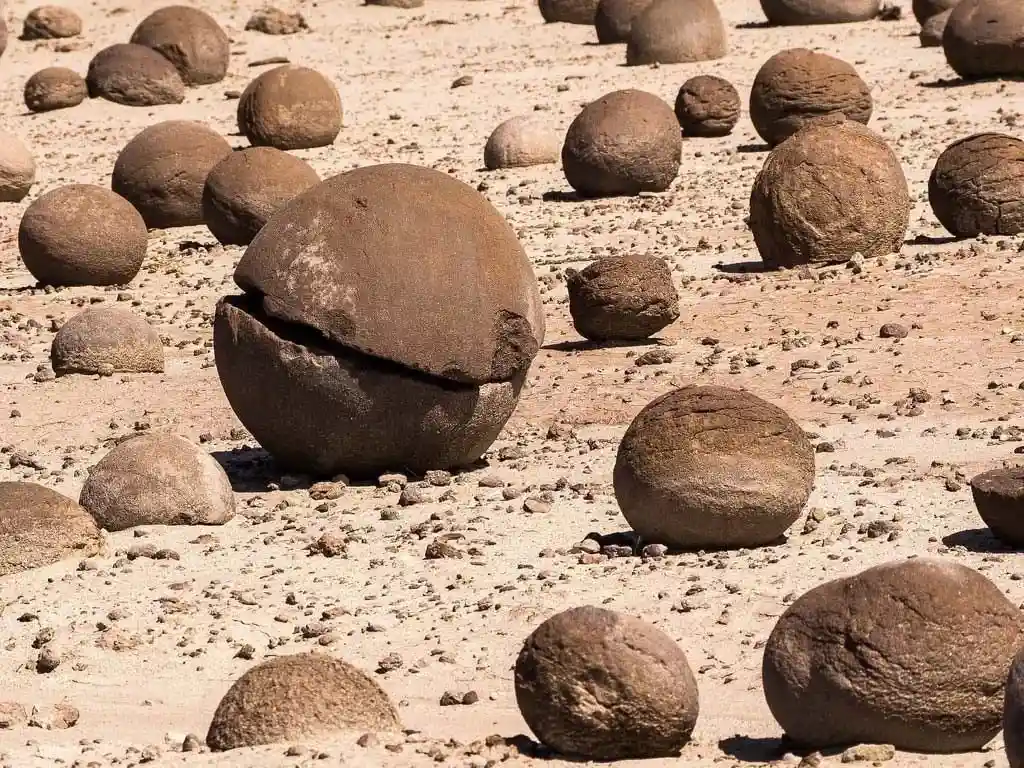
Erosion has been the valley’s sculptor. The wind—unstoppable, relentless, and patient—has carved boulders, ridges, and cliffs, stripping away softer rock to reveal the harder concretions within. These spherical stones, known locally as Las Piedras Bochas, resemble massive marbles scattered across the desert floor.
Las Piedras Bochas: Argentina’s Stone Marbles
Among the valley’s most fascinating features are the spherical concretions. These round stones form when minerals bind together inside mudstone or sandstone. Over time, erosion removes the softer material, freeing the spheres and leaving them exposed.
-
Appearance: Smooth, cracked, and rounded, often eerily uniform.
-
Sizes: Ranging from small orbs to multi-meter giants.
-
Mystery: Their perfection has inspired myths, with locals imagining them as celestial stones or relics of ancient civilizations.
In reality, these natural concretions are geological marvels, created by the slow artistry of erosion and mineral cementation.
Fossils of the Triassic: A Paleontologist’s Dream
The Valley of the Moon is not just a geological wonder—it is also a paleontological treasure.
Fossils Revealed by Erosion
Over millennia, erosion has unearthed the remains of plants and animals, making the valley one of the world’s richest Triassic fossil sites.
Dinosaurs and Reptiles
Among the discoveries are fossils of some of the earliest dinosaurs, including:
-
Eoraptor: One of the first known dinosaurs, a small carnivorous species.
-
Herrerasaurus: Another early predator, bridging gaps in the dinosaur lineage.
-
Primitive reptiles, amphibians, and plant fossils that paint a vivid picture of Triassic ecosystems.
Scientific Significance
These fossils provide vital evidence for understanding the evolutionary leap from reptiles to dinosaurs, making the Valley of the Moon a global reference point for paleontological research.
Myths, Legends, and Human Imagination
The valley’s uncanny formations have long inspired myths:
-
Some locals believed the rounded boulders were toys of giants, left behind after cosmic games.
-
Others viewed the mushroom cliffs and stone spires as sacred guardians of the desert.
-
The name Valley of the Moon reflects its alien, lunar-like appearance, which seems more suited to science fiction than Earthly geology.
These stories add cultural depth to the landscape, showing how humans interpret and reimagine nature’s mysteries.
Visiting the Valley of the Moon
Location and Access
-
Situated in Ischigualasto Provincial Park, San Juan Province.
-
Accessible by guided tours, which are mandatory to protect the fragile environment.
-
Often visited in combination with Talampaya National Park, just across the provincial border.
What Visitors See
Guided circuits take travelers through the valley’s most iconic sites:
-
The Sphinx – A rock formation resembling the Egyptian guardian.
-
The Submarine – A stone shape that recalls a submarine’s silhouette.
-
The Painted Valley – Colorful sedimentary layers glowing in sunlight.
-
Las Piedras Bochas Field – The surreal “marble field” of stone spheres.
Practical Tips
-
Best visited at sunrise or sunset, when colors intensify.
-
Bring water, sunscreen, and sturdy shoes—the desert climate can be extreme.
-
Photography is encouraged, but touching or moving fossils and stones is prohibited.
Conservation and Protection
The Valley of the Moon is a provincial protected area, recognized for both its natural beauty and its scientific value. Together with Talampaya National Park, it forms a UNESCO World Heritage Site. Conservation efforts aim to:
-
Preserve fragile fossils.
-
Prevent erosion from human activity.
-
Promote sustainable tourism.
These protections ensure that the valley remains both a research site for scientists and a wonder for future generations to admire.
Why the Valley Matters Today
Geological Lessons
The Valley of the Moon offers direct insight into the Triassic Period, revealing how continents formed, climates shifted, and life evolved.
Cultural Inspiration
Its surreal beauty inspires artists, photographers, and writers who see in it a landscape where science and imagination meet.
Tourism and Education
As one of Argentina’s natural jewels, Valle de la Luna supports eco-tourism and local economies, while educating visitors about Earth’s deep past.
Conclusion: Earth’s Story Written in Stone
The Valley of the Moon in San Juan, Argentina, is far more than a desert—it is a living chronicle of Earth’s history. From mushroom-like cliffs and giant stone marbles to priceless fossils of the first dinosaurs, every corner of the valley tells a story of transformation, endurance, and natural artistry.
Here, wind, water, and time have collaborated as sculptors, shaping a landscape that feels both alien and profoundly Earthly. Standing among the rounded stones and fossil beds, one cannot help but feel humbled by the immensity of geological time and the creative power of nature.
For travelers, scientists, and dreamers alike, Valle de la Luna remains one of the world’s most otherworldly landscapes, a reminder that the planet we call home is itself a masterpiece in constant motion.
ALSO READ: The Ancient Banded Gneiss Formations of Southern India: Nature’s Art in Stone