Fingal’s Cave: Scotland’s Majestic Natural Symphony
A Cathedral of Nature
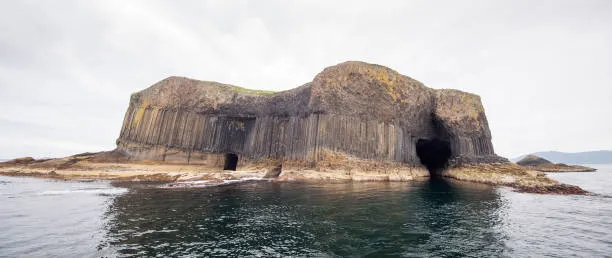
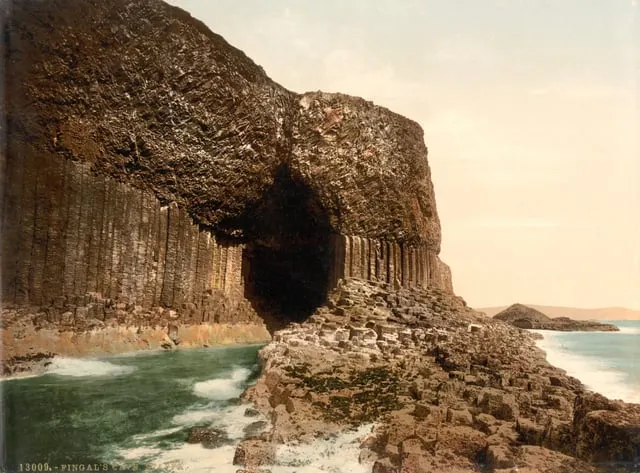
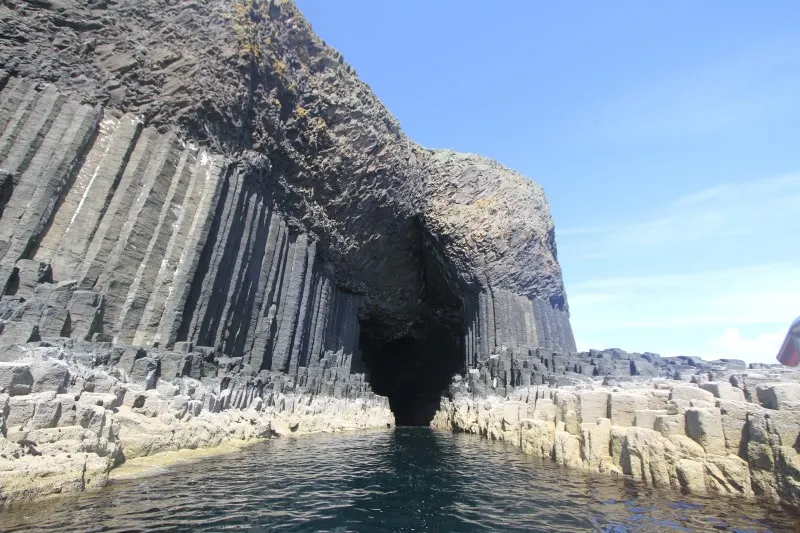
Rising dramatically from the uninhabited Isle of Staffa in Scotland’s Inner Hebrides, Fingal’s Cave is one of the world’s most extraordinary natural wonders. Stretching 72 meters deep and 22 meters high, this sea cave is famed for its perfectly formed basalt columns—hexagonal pillars created by cooling volcanic lava millions of years ago.
Yet, Fingal’s Cave is more than just a geological marvel. Its unique structure produces haunting, cathedral-like acoustics, a natural symphony that has captivated visitors for centuries. From ancient legends to classical compositions, this cave has left an indelible mark on human imagination, making it one of Scotland’s most iconic destinations.
The Geological Marvel of Fingal’s Cave
Formation of the Hexagonal Basalt Columns
-
Fingal’s Cave was formed over 50 million years ago during intense volcanic activity.
-
As lava rapidly cooled, it fractured into hexagonal shapes, a phenomenon also seen at Northern Ireland’s Giant’s Causeway.
-
The result is a striking display of natural symmetry, with towering geometric columns forming the cave’s walls.
The Cave’s Dimensions
-
Length: 72 meters
-
Height: 22 meters
-
Entrance Width: 14 meters
These proportions create not only a sense of grandeur but also contribute to the cave’s resonant acoustics.
The Music of the Cave: Nature’s Symphony
What sets Fingal’s Cave apart is not just its beauty, but its soundscape.
-
Acoustic Resonance: The cave’s domed shape and basalt walls create an echo chamber that amplifies the sound of crashing waves.
-
Cathedral Effect: Visitors often describe the cave as a “natural cathedral”, where the sea’s roar becomes a haunting hymn.
-
Musical Inspiration: This unique acoustic environment inspired composers, most notably Felix Mendelssohn, who transformed its atmosphere into music.
The combination of sight and sound makes Fingal’s Cave an experience that engages both the eye and the ear—an aesthetic masterpiece of nature.
A Cave of Legends: Fingal in Myth and Folklore
The cave takes its name from Fingal (Fionn mac Cumhaill), the mythical Irish giant of Celtic legend.
-
According to folklore, Fingal built a giant causeway connecting Scotland to Ireland.
-
This myth links Fingal’s Cave to the Giant’s Causeway in Northern Ireland, as both feature the same hexagonal basalt formations.
-
Locals once believed the cave was a dwelling of giants, adding a layer of mystical reverence to its natural splendor.
Thus, Fingal’s Cave is not just a geological wonder but a bridge between myth and reality.
Fingal’s Cave in Art, Literature, and Music
Over the centuries, Fingal’s Cave has inspired countless writers, poets, and musicians.
Mendelssohn’s Overture: The Hebrides
-
In 1829, German composer Felix Mendelssohn visited the cave.
-
Struck by its beauty and sound, he composed “The Hebrides (Fingal’s Grotto)”, a symphonic overture that captures the cave’s haunting resonance.
-
The piece remains one of the most famous musical tributes to a natural wonder.
Literary Tributes
-
Sir Walter Scott described it as one of the most extraordinary places he had ever seen.
-
Jules Verne referenced the cave in The Green Ray.
-
William Wordsworth and John Keats both drew inspiration from its mystical aura.
Artistic Representations
From Romantic-era paintings to modern photography, the cave’s geometric perfection and dramatic setting have made it a favored subject in visual art.
Wildlife Around Fingal’s Cave
The Isle of Staffa, though uninhabited by people, teems with wildlife, making a trip to Fingal’s Cave doubly rewarding.
-
Puffins: During summer, colonies of puffins nest on the island’s grassy slopes.
-
Seabirds: Guillemots, razorbills, and kittiwakes circle the cliffs.
-
Marine Life: Dolphins, seals, and occasionally minke whales can be spotted in the surrounding waters.
This rich biodiversity adds a vibrant natural soundtrack to the already majestic acoustics of the cave.
Visiting Fingal’s Cave Today
How to Get There
-
The cave is located on Staffa Island, accessible only by boat.
-
Tours operate from nearby locations such as Mull, Oban, and Iona.
Exploring the Cave
-
Visitors can walk along the basalt columns into the cave when conditions allow.
-
Safety is essential, as the walkway can be slippery and the waves unpredictable.
Best Time to Visit
-
Spring to early autumn (April–September) is ideal, with calmer seas and opportunities to see puffins.
-
Early morning and evening visits often provide the most magical light.
Why Fingal’s Cave Matters
Fingal’s Cave is more than a natural attraction—it is a global symbol of the harmony between geology, sound, and culture.
-
Scientific Value: Offers insights into volcanic activity and columnar basalt formation.
-
Cultural Impact: Inspired some of the greatest works of Romantic art and music.
-
Spiritual Significance: Its cathedral-like quality makes it a place of awe and reflection.
It serves as a reminder that nature itself can be an architect, musician, and storyteller.
Lessons from Fingal’s Cave
-
Nature as Art: Fingal’s Cave demonstrates how natural processes can create structures as breathtaking as any human cathedral.
-
Inspiration Across Disciplines: From geology to music, the cave’s influence transcends fields, uniting science and the arts.
-
Preservation Matters: As climate change and tourism grow, protecting fragile sites like Staffa is essential to ensure they inspire future generations.
Conclusion: Scotland’s Symphony in Stone
Fingal’s Cave is a masterpiece where geology, acoustics, and mythology converge. Its hexagonal basalt columns, forged by ancient lava, form a natural cathedral whose resonance has stirred the hearts of composers, poets, and travelers for centuries.
From Mendelssohn’s overture to Celtic legends, Fingal’s Cave has left an indelible mark on human creativity. Today, it remains one of Scotland’s most awe-inspiring destinations, a symphony in stone and sea that continues to echo across time.
Visiting Fingal’s Cave is not merely a journey to a geological wonder—it is an encounter with nature’s timeless artistry.
ALSO READ: La Motilla del Azuer: Ancient Ingenuity in the Face of Drought