Echoes of Divinity: The Marble Thrones of the Amphiareion of Oropos
Thrones of Faith and Stone
Nestled in a serene valley near Oropos in Attica, Greece, lies the Amphiareion of Oropos, a sanctuary dedicated to the hero and prophet Amphiaraos. Among its ruins, five remarkable marble thrones still endure—ornate seats that once welcomed priests, officials, and honored guests during sacred ceremonies and performances.
Built during the 2nd century BCE, these thrones form part of the theatre’s prohedria, the front-row seats traditionally reserved for the most esteemed individuals. Today, they stand as silent witnesses to more than two millennia of devotion, artistry, and the blending of ritual with performance. The Amphiareion’s marble thrones embody the sacred role of theatre in ancient Greek religion, where healing, prophecy, and dramatic art converged.
The Amphiareion of Oropos: A Sacred Sanctuary
The Amphiareion was a healing and prophetic sanctuary dedicated to Amphiaraos, a mythical hero, seer, and warrior who was revered as both mortal and divine.
-
Location: Near Oropos, northeast of Athens, close to the border with Boeotia.
-
Function: A center for healing, prophecy, and worship, drawing pilgrims from across Greece.
-
Construction: Developed from the 5th century BCE onward, flourishing especially in the Hellenistic period.
Pilgrims visited the sanctuary seeking cures for illnesses or divine guidance. Healing rituals often involved incubation—sleeping within the sacred precinct, where dreams and visions were believed to reveal cures or messages from Amphiaraos himself.
Within this sacred landscape, a small theatre was built in the 2nd century BCE to host festivals, rituals, and performances, blending cultural expression with religious devotion.
The Marble Thrones: Symbols of Prestige and Piety
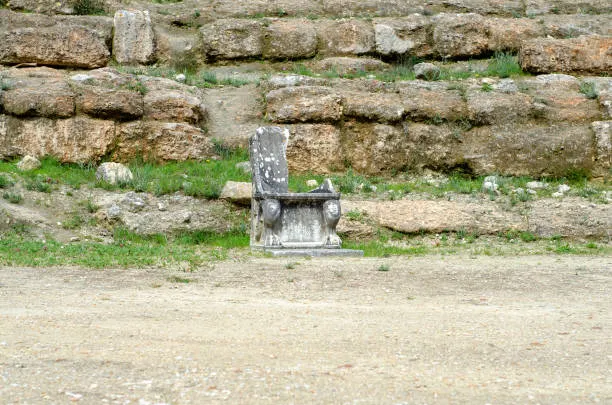
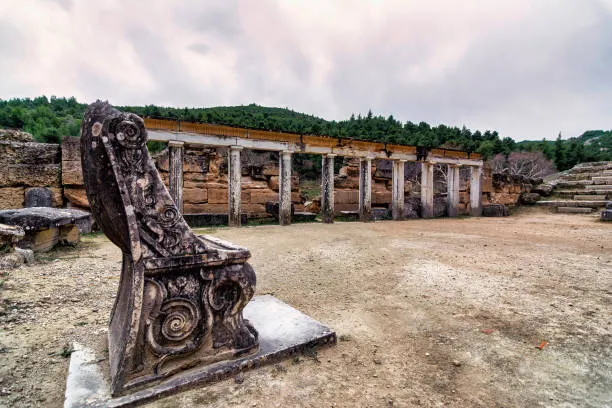
At the heart of the theatre’s orchestra, five elaborately carved marble thrones survive. Known as prohedria seats, they were reserved for priests, dignitaries, or honored guests during ceremonies and performances.
Key Features of the Marble Thrones
-
Material: Fine marble, reflecting wealth and permanence.
-
Design: Intricately carved with armrests, curved backrests, and decorative details that distinguish them from ordinary seats.
-
Placement: Situated in a semi-circle around the orchestra, symbolizing both authority and sacred proximity.
-
Symbolism: The thrones embodied prestige, honor, and participation in divine rituals.
Unlike ordinary theatre seats, which were wooden or stone benches, the marble thrones signaled an elevated status, both social and spiritual. To sit on one was not just a privilege—it was a symbolic act of sharing in the sanctuary’s divine connection.
Prohedria in Greek Theatres
The marble thrones of the Amphiareion are part of a wider tradition of prohedria in Greek theatres.
-
Definition: The front-row seating in ancient theatres, often reserved for priests, officials, or important citizens.
-
Function: Served to honor individuals and link them directly with sacred or civic rituals.
-
Examples: Similar marble thrones have been found in other theatres, such as those in Athens’ Theatre of Dionysus, where seats bore inscriptions naming the honored individuals.
At the Amphiareion, the prohedria had a dual purpose: they were not only places of honor during theatrical performances but also symbolic thrones within a healing sanctuary.
Healing, Rituals, and Performances
The Amphiareion theatre was not built for entertainment alone—it was an integral part of the sanctuary’s ritual life.
-
Religious Festivals: Dramatic performances, hymns, and processions honored Amphiaraos and other deities.
-
Healing Ceremonies: Rituals combining drama, music, and communal gathering enhanced the sanctuary’s therapeutic atmosphere.
-
Dream Incubation: Pilgrims seeking cures often participated in rituals that included storytelling or performance, reinforcing faith and hope.
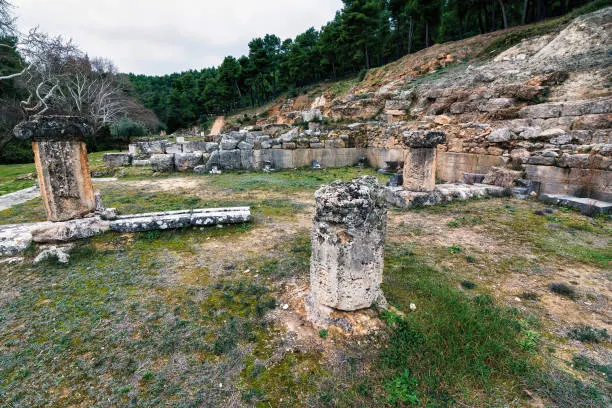
The marble thrones, positioned prominently, linked the leaders of ritual with the sacred performances, symbolizing their role as mediators between gods and mortals.
The Enduring Legacy of the Thrones
For over 2,000 years, the marble thrones have endured the elements. Their survival tells a story of resilience and reverence.
Historical Significance
-
Archaeological Insight: The thrones offer evidence of the importance of theatre in healing sanctuaries.
-
Artistry: They showcase the craftsmanship of Hellenistic sculptors.
-
Cultural Value: They highlight the intertwining of art, religion, and social order in ancient Greece.
Spiritual Legacy
-
Echoes of Divinity: The thrones symbolize divine authority, linking human ritual leaders with the sacred presence of Amphiaraos.
-
Guardians of the Sanctuary: Encircling the orchestra, they appear like timeless guardians watching over the sacred space.
Comparisons with Other Ancient Thrones
The marble thrones of the Amphiareion can be compared to other sacred seats in antiquity:
-
Theatre of Dionysus, Athens: Marble prohedria inscribed with the titles of priests and officials.
-
Sanctuaries of Asclepius: Healing sanctuaries often included special seats or thrones for priests, highlighting their spiritual role.
-
Egyptian and Mesopotamian Thrones: In other cultures, carved thrones symbolized divine authority, kingship, and ritual power.
This broader comparison shows that sacred seating was a cross-cultural phenomenon, embodying both authority and a link to the divine.
The Amphiareion Today
Visitors to the Amphiareion can still explore the ruins of this once-thriving sanctuary:
-
Remains of the Theatre: Including the marble thrones, stage, and orchestra.
-
Sanctuary Ruins: Temples, stoas, and fountains that once welcomed pilgrims.
-
Healing Spaces: Traces of the incubation chambers where worshippers sought divine dreams.
The site, though less famous than Delphi or Epidaurus, provides a profound glimpse into the spiritual and cultural life of ancient Greece. The marble thrones remain one of its most evocative features, drawing modern visitors into the atmosphere of sacred theatre.
Conclusion: Eternal Guardians of Faith and Art
The marble thrones of the Amphiareion of Oropos are more than just relics of stone. They are enduring symbols of a world where art, spirituality, and healing were deeply intertwined.
Built in the 2nd century BCE, these intricately carved seats once elevated priests and dignitaries into honored positions, linking them with the divine rituals of Amphiaraos’ sanctuary. For over 2,000 years, they have stood as guardians of memory. Embodying the echoes of divinity that shaped ancient Greek culture.
As we gaze upon them today, the thrones remind us of a timeless truth: that in the ancient world, theatre was more than entertainment—it was a sacred act of communion between gods and mortals.
ALSO READ: The Timeless Mystery of the Circular Ksar of Draa in Algeria