Moray Agricultural Terraces: The Inca’s Ancient Laboratory in the Andes
The Inca’s Agricultural Wonder
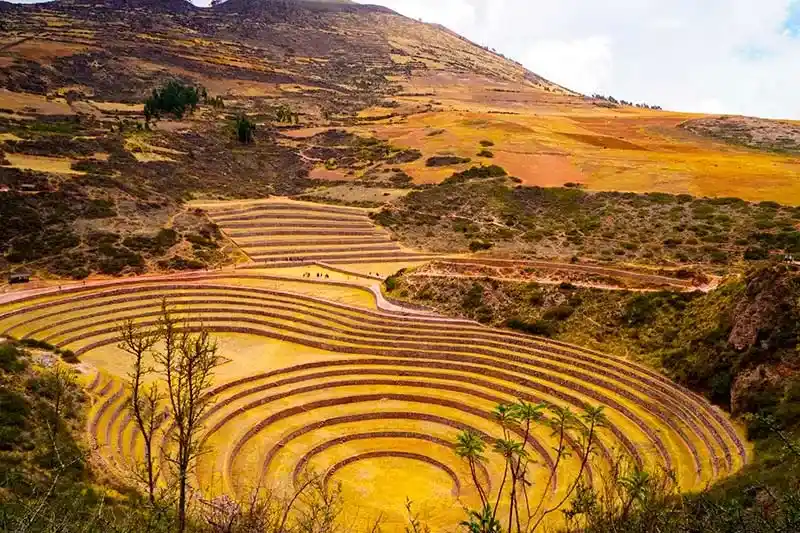
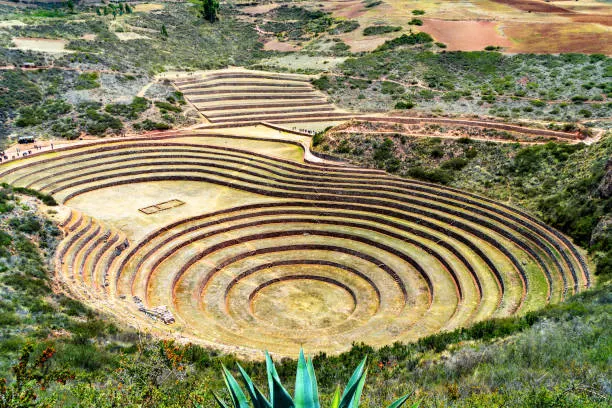
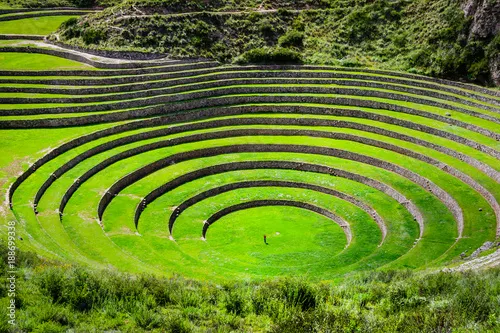
High in the Sacred Valley of the Incas, near Cusco, lies one of the most fascinating and mysterious archaeological sites in Peru—the Moray agricultural terraces. Unlike the fortresses and temples that dominate the Andean landscape, Moray stands out for its unique design: vast circular depressions carved into the earth, lined with carefully constructed terraces.
To the untrained eye, these structures might appear to be amphitheaters. Yet archaeologists believe they served a far more practical—and groundbreaking—purpose. The Moray terraces likely functioned as an agricultural laboratory, where the Incas experimented with crops, microclimates, and advanced farming techniques.
The Unique Design of Moray
Circular Terraces Like Amphitheaters
Moray consists of several massive depressions, the largest of which measures about 30 meters (98 feet) deep. Each depression contains concentric rings of terraces descending to the center. The terraces are connected by stone stairways embedded in the retaining walls.
Temperature Gradients and Microclimates
What makes Moray truly extraordinary is the temperature difference between terrace levels. Studies show that the temperature can vary by up to 15°C (27°F) from the top to the bottom. This allowed the Incas to replicate diverse growing conditions—essentially creating microclimates within a single site.
The Purpose of Moray: An Ancient Agricultural Laboratory
Crop Experimentation
Archaeologists believe the Incas used Moray to test how different crops adapted to varying environmental conditions. By experimenting with altitude, temperature, and soil composition, they could determine the best growing strategies for maize, potatoes, quinoa, and other staples.
Food Security for an Empire
The Inca Empire stretched across diverse ecosystems, from coastal deserts to high mountains and tropical jungles. Managing agriculture across these regions was a monumental task. Sites like Moray may have been critical for developing resilient crops, ensuring food security for millions.
Spiritual and Ritual Significance
Some scholars also suggest Moray had a ritual or symbolic role, with its circular design representing the Inca’s cosmological beliefs. Agriculture and spirituality were deeply connected in Andean culture, and the terraces may have served both scientific and ceremonial purposes.
Engineering Genius of the Incas
Drainage Systems
One of the mysteries of Moray is how the terraces remain well-drained, even during heavy rains. The Incas likely incorporated layers of gravel and sand beneath the soil, preventing waterlogging and erosion.
Soil Transportation
Studies indicate that the Incas transported soil from different regions to Moray, allowing them to test crops with specific soil types. This highlights their remarkable knowledge of agronomy and resource management.
Stonework and Design
The retaining walls of Moray showcase classic Inca stonework—precise and durable, designed to withstand centuries of weathering and seismic activity.
Discovery and Archaeological Research
Rediscovery in the 20th Century
Although the local Quechua communities always knew about Moray, it was brought to broader attention in the 1930s by aerial photography. Since then, researchers have studied the site extensively, uncovering its agricultural and cultural significance.
Modern Studies
Modern archaeologists and agronomists continue to explore Moray, using soil analysis, climate studies, and experimental agriculture to better understand how the Incas achieved such sophistication.
Moray in Inca Culture and Economy
Agriculture as the Empire’s Backbone
The Inca Empire was built on agriculture. Sites like Moray provided not just food security but also innovations that could be applied across the empire’s vast territories.
Integration with Other Sacred Sites
Moray lies close to other important Inca sites in the Sacred Valley, including Ollantaytambo and Machu Picchu. This proximity suggests it was part of a broader network of strategic and spiritual centers.
Visiting Moray Today
Location and Access
Moray is located about 50 kilometers (31 miles) northwest of Cusco, near the village of Maras. It can be reached by car, taxi, or as part of guided tours that often include the Maras salt mines.
The Experience
Visitors today can walk along the terraces and pathways, marveling at the ingenuity of Inca engineering. The sweeping circular depressions are both awe-inspiring and humbling, offering a glimpse into the deep intelligence of ancient Andean society.
Best Time to Visit
The best time to visit Moray is during the dry season (May to September), when skies are clear, and trails are most accessible. The green terraces after light rains also provide stunning photographic opportunities.
Moray and Modern Sustainability Lessons
Ancient Knowledge for Modern Challenges
The study of Moray is not just about history—it also offers valuable insights into sustainable agriculture today. By understanding how the Incas managed microclimates, soil, and water, modern scientists can apply similar principles to tackle food security and climate change.
Reviving Andean Traditions
Local communities continue to preserve traditional Andean agricultural practices, many of which echo the knowledge encoded in sites like Moray. These practices highlight the resilience and wisdom of indigenous farming systems.
Fun Facts About Moray Agricultural Terraces
-
The largest circular depression at Moray is 30 meters deep.
-
Temperature differences between terrace levels can reach 15°C (27°F).
-
Soil from different regions was transported to Moray for crop testing.
-
Some scholars call Moray the world’s first agricultural research station.
-
Tour operators often include Moray in Sacred Valley tours, along with the Maras salt mines.
Conclusion: Moray as the Inca’s Living Legacy
The Moray agricultural terraces are more than just an archaeological site—they are a living reminder of the Inca’s brilliance in science, engineering, and spirituality. By creating an agricultural laboratory in harmony with nature, the Incas not only sustained their empire but also left behind lessons that remain profoundly relevant today.
Whether viewed as a laboratory, a sacred site, or an amphitheater of the earth, Moray invites us to reflect on the enduring relationship between humanity and the natural world. It is a place where history, innovation, and beauty converge—a timeless masterpiece of Inca ingenuity.
ALSO READ: Fleckenstein Castle: The Boat-Shaped Fortress of France