Fleckenstein Castle: The Boat-Shaped Fortress of France
A Fortress Shaped Like a Ship
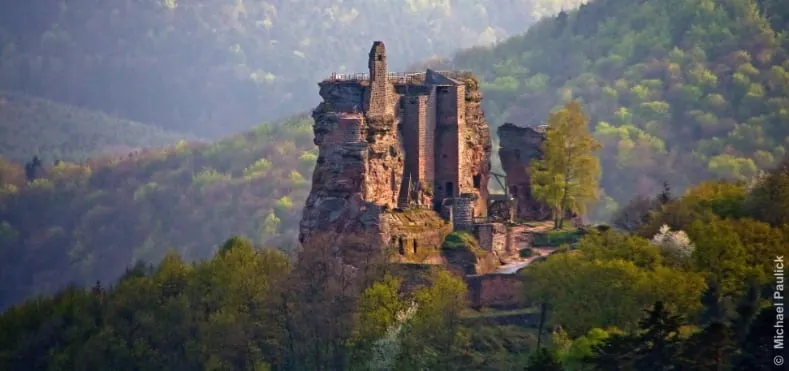
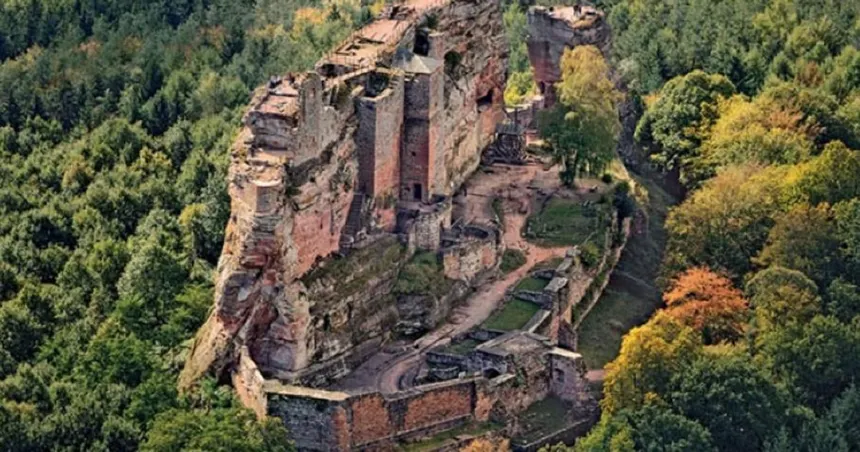
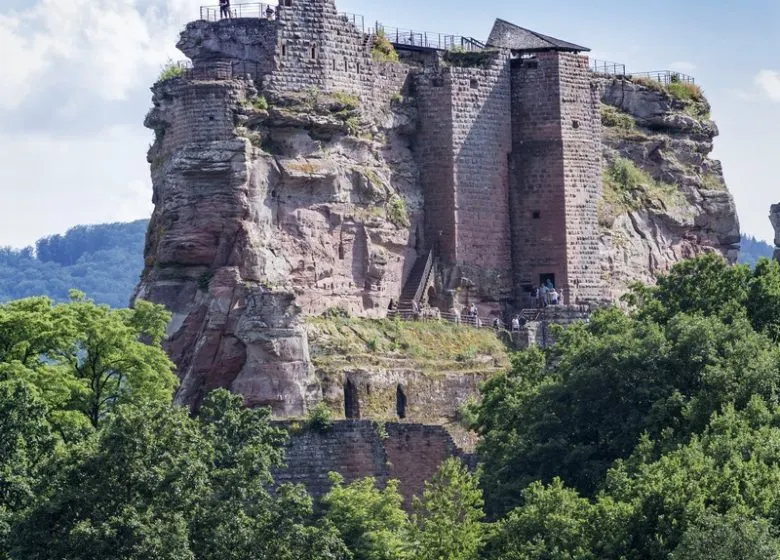
Perched high above the forests of Lembach, in Alsace, France, the imposing silhouette of Fleckenstein Castle immediately captures the imagination. Known for its distinctive boat-shaped form, the fortress stretches 52 meters in length, its elongated rock foundation making it appear like a massive stone vessel anchored in the hills.
First documented in 1165, the castle became the seat of the powerful Fleckenstein family, who ruled from its halls for more than five centuries. Over time, it witnessed prosperity, siege, destruction, and eventual revival. Today, Fleckenstein Castle remains one of the region’s most fascinating historic landmarks, blending medieval engineering, Renaissance artistry, and modern preservation.
The Origins of Fleckenstein Castle
Early Construction in the 12th Century
The first records of Fleckenstein Castle date back to 1165, though its foundations may be older. Built into the natural sandstone rock of the northern Vosges, the fortress was designed to command both the surrounding forests and trade routes, ensuring the Fleckenstein family’s prominence.
Seat of the Fleckenstein Family
For more than 500 years, the Fleckenstein lineage used the fortress as their ancestral home. The family became one of the most influential noble houses in Alsace, shaping both local politics and the cultural landscape of the region.
Architectural Wonder: The Boat-Shaped Fortress
An Elongated Masterpiece
Unlike most medieval castles, Fleckenstein’s structure is unusually elongated, stretching 52 meters along a rocky ridge. Its layout follows the natural contours of the sandstone, creating the impression of a gigantic stone ship resting amidst the forest.
Defenses and Strongholds
The fortress featured thick walls, towers, and fortified gates that made it a formidable stronghold. The unique geography allowed for strategic defense, as the natural rock acted as both a foundation and a barrier against invaders.
Carved into Stone
Much of the castle was carved directly into the sandstone bedrock. Stairways, cisterns, chambers, and cellars were hollowed out of the rock itself, creating a fusion of natural and man-made architecture rarely seen in medieval Europe.
Life at Fleckenstein in the Middle Ages
A Symbol of Prestige
The Fleckenstein family invested heavily in the castle, not only as a defensive stronghold but also as a symbol of wealth and influence. Frescoes, carvings, and later Renaissance modifications added an element of elegance to the otherwise austere fortress.
Daily Functions
Inside, the castle contained living quarters, storerooms, and chapels. Its cisterns ensured a reliable water supply, while elevated positions gave commanding views over the valleys. For centuries, it functioned as both a military base and family residence, embodying the dual roles of power and domestic life.
Renaissance Glory: Fleckenstein in Art
The 1562 Watercolor
One of the most significant depictions of the castle comes from a Renaissance watercolor created in 1562. This artwork captured the fortress at the height of its grandeur, highlighting its commanding presence above the surrounding landscape.
A Castle of Elegance and Might
The Renaissance period saw architectural and aesthetic improvements to Fleckenstein Castle. The combination of medieval fortifications with Renaissance refinements made it both a military bastion and an aristocratic residence.
Destruction During the Nine Years’ War
Strategic Target
The castle’s strategic location made it a target during major conflicts. In 1689, amid the devastation of the Nine Years’ War (1688–1697), French General Ezéchiel de Mélac ordered the destruction of Fleckenstein Castle.
From Fortress to Ruin
The once-proud stronghold was reduced to ruins, its walls shattered and its prestige diminished. Like many Alsatian castles, Fleckenstein fell victim to the era’s scorched-earth strategies, intended to weaken resistance and control the frontier.
Restoration and Revival
Rediscovery in the 19th Century
By the 19th century, interest in medieval heritage brought renewed attention to Fleckenstein Castle. Romanticism inspired poets, artists, and historians to celebrate the ruins as symbols of noble decay and timeless grandeur.
20th-Century Preservation
Extensive restoration efforts in the late 19th and 20th centuries helped stabilize the structure and preserve its legacy. Thanks to these efforts, the castle avoided total collapse and instead became a cultural monument of regional and national importance.
A Living Museum Today
Today, Fleckenstein Castle serves as a historic monument and visitor attraction, with interactive exhibits, reconstructions, and guided tours that bring its history to life. It combines its ruined majesty with modern educational programs, ensuring that new generations connect with its story.
Fleckenstein Castle in Alsace’s Heritage
A Network of Fortresses
The castle is part of the “Route des Châteaux d’Alsace du Nord”, a trail connecting some of the region’s most iconic medieval fortresses. Alongside Fleckenstein, visitors can explore nearby castles such as Loewenstein, Hohenbourg, and Wegelnburg.
Cultural Symbol
Fleckenstein has become a symbol of Alsace’s medieval heritage, embodying the region’s turbulent history, shifting borders, and rich cultural traditions.
Fun Facts About Fleckenstein Castle
-
The castle’s elongated 52-meter shape makes it look like a giant stone boat anchored in the hills.
-
Much of the fortress is carved directly into sandstone, including staircases and cisterns.
-
A Renaissance watercolor from 1562 provides one of the best historical depictions of its grandeur.
-
The Fleckenstein family occupied the castle for over 500 years, making it one of the longest-held family strongholds in Alsace.
-
After its destruction in 1689, the castle lay in ruins for centuries before being restored in the modern era.
Why Fleckenstein Castle Matters
Fleckenstein Castle is more than a ruin—it is a bridge between past and present. Its unique boat-like form and fusion of natural rock and medieval architecture make it one of Europe’s most distinctive fortresses.
The castle’s long history—from its 12th-century origins, through Renaissance splendor, to war-torn ruin and modern revival—tells the story of both a family dynasty and a region caught between empires. As a preserved site, it continues to inspire awe and wonder, standing as a testament to resilience, heritage, and imagination.
Conclusion: The Enduring Majesty of Fleckenstein
Rising above the forests of Alsace, Fleckenstein Castle remains a captivating landmark that defies the passage of time. Its boat-shaped design, its centuries of history, and its journey from grandeur to ruin and restoration all contribute to its allure.
For travelers, historians, and dreamers, the fortress offers more than stone walls and ruins—it provides a window into medieval life, the resilience of heritage, and the timeless power of human creativity.
Even in ruin, Fleckenstein Castle continues to sail through history like a stone vessel, carrying with it the spirit of Alsace and the enduring fascination of medieval Europe.
ALSO READ: Sacred Well of Garlo: Unearthing Ancient Rituals and Spirituality