Sacred Well of Garlo: Unearthing Ancient Rituals and Spirituality
A Hidden Spiritual Treasure in Bulgaria
Nestled in the quiet landscape near the village of Garlo in Bulgaria’s Pernik District, the Sacred Well of Garlo stands as one of the region’s most mysterious and spiritually charged archaeological discoveries. Dating back to the 12th–11th century BCE, this underground sanctuary has fascinated historians, archaeologists, and travelers alike.
Built with remarkable precision and purpose, the well is believed to have been used for ritual practices, spiritual connections, and water-related ceremonies. Its architectural style, strikingly similar to the sacred wells of Sardinia’s Nuragic Civilization, suggests that ancient Mediterranean cultures may have shared religious traditions or maintained far-reaching cultural ties.
The Discovery of the Sacred Well
Unearthed in the 20th Century
The Sacred Well of Garlo was first brought to light during archaeological excavations in the 1970s, led by Bulgarian archaeologist Prof. Dimitrina Mitova-Dzhonova. The discovery surprised researchers, as the subterranean structure was unlike anything previously found in the Balkans.
An Unexpected Mediterranean Connection
Its resemblance to Nuragic sacred wells in Sardinia—sites associated with fertility, purification, and celestial rituals—prompted speculation about cultural exchanges or shared spiritual practices across the Mediterranean basin during the Bronze Age.
Architectural Marvel of the Ancient World
Structure and Design
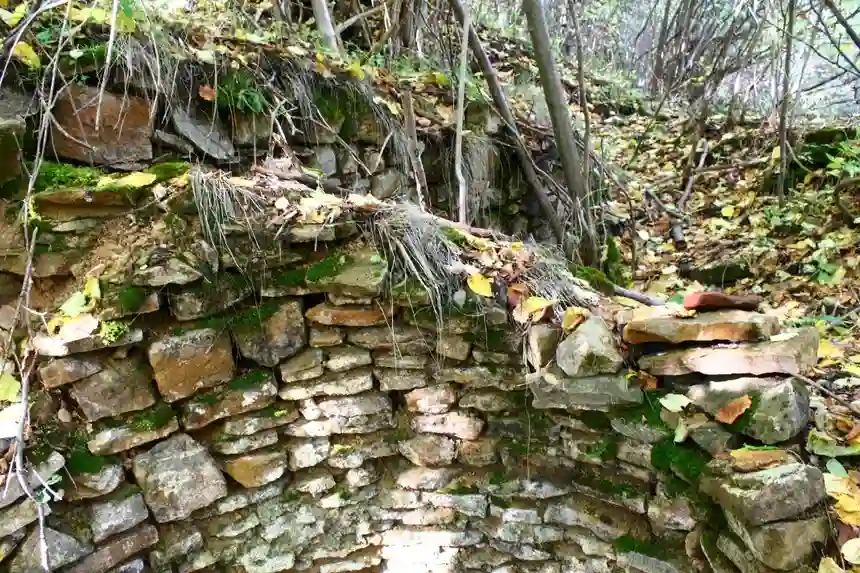
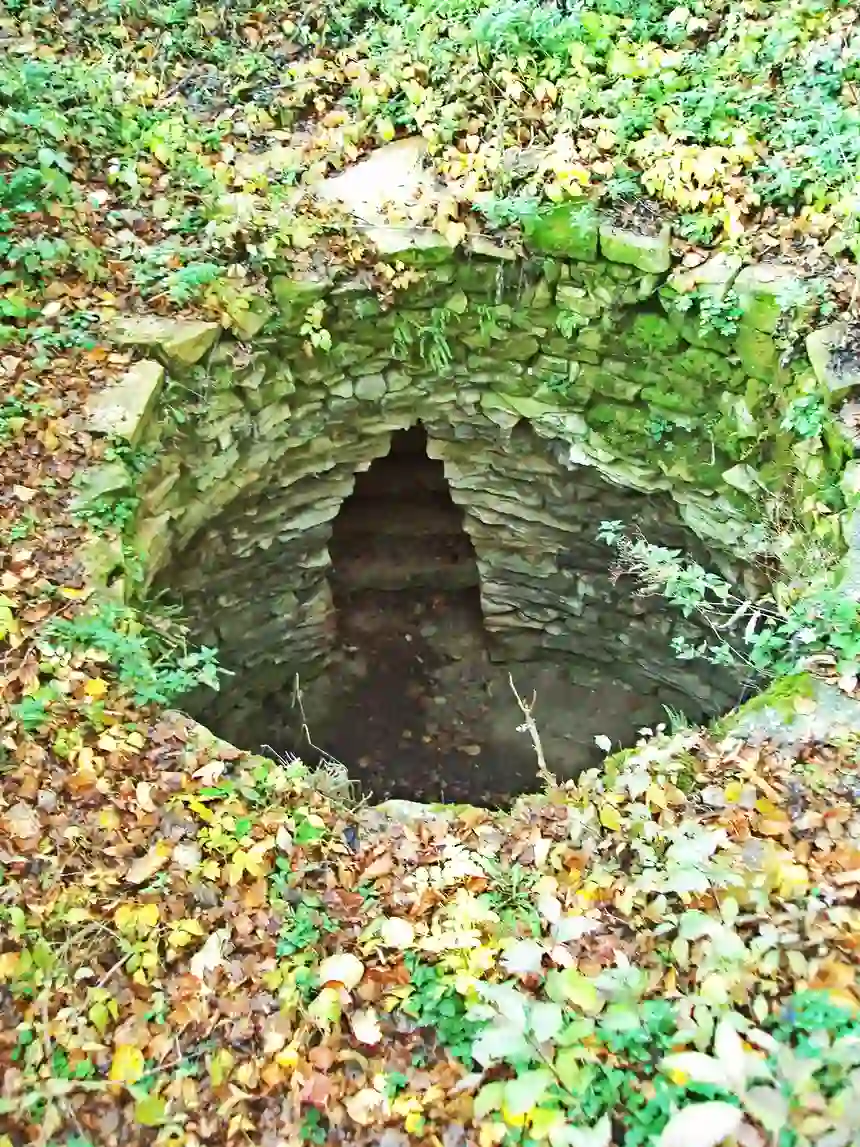
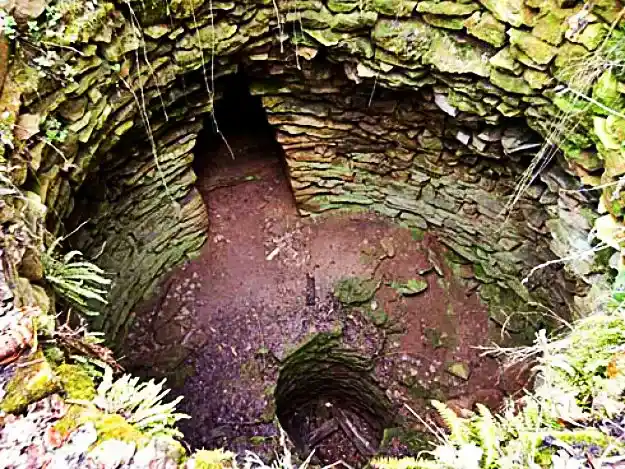
The well consists of a 7-meter-long stone corridor that descends underground, leading to a domed chamber carefully constructed from stone masonry. At the heart of this chamber lies the 5-meter-deep sacred well, fed by a natural spring.
Symbolism of the Dome and Water
The dome-shaped chamber may have symbolized the heavens, while the flowing water embodied life, fertility, and divine presence. Together, they created a sacred space believed to connect the earthly and the celestial realms.
Alignment and Purpose
Some researchers argue that the well’s design may have had astronomical alignments, potentially connecting rituals with celestial events such as solstices or lunar phases, similar to other ancient ritual sites across Europe and the Mediterranean.
Rituals and Spiritual Practices
A Bridge Between Worlds
The Sacred Well likely served as a ritual space where water, nature, and divinity converged. Water was revered as a sacred force in ancient cultures, representing purification, rebirth, and the eternal cycle of life.
Ceremonies of Protection and Fertility
Archaeologists suggest that the site may have hosted rituals aimed at securing fertile harvests, community well-being, and spiritual protection. The spring’s eternal flow symbolized life’s continuity, making the well an enduring site of worship.
Carvings and Nearby Discoveries
Intriguing carvings and artifacts found near the site add to its cultural significance. Alongside the well, archaeologists uncovered a 500-year-old cemetery, further indicating the area’s long-standing sacred role in community life.
Cultural and Historical Context
A Bronze Age Masterpiece
Dating to the Late Bronze Age (12th–11th century BCE), the Sacred Well of Garlo provides a rare glimpse into prehistoric Balkan spirituality. Its advanced construction reflects a sophisticated understanding of stone masonry, hydrology, and sacred architecture.
Connections to the Nuragic Civilization
The resemblance to Sardinia’s sacred wells raises fascinating questions about long-distance cultural interactions. Did Bronze Age communities in Bulgaria and Sardinia share spiritual beliefs? Or did similar ideas develop independently as human societies sought to honor water as a sacred force?
A Shared Mediterranean Tradition
The Garlo well may represent part of a broader Mediterranean spiritual tradition, where water sanctuaries symbolized fertility, divine power, and celestial connections. This suggests the ancient world was more interconnected than previously thought.
The Sacred Well in Bulgarian Heritage
National Significance
Though lesser known than Bulgaria’s Thracian tombs and sanctuaries, the Sacred Well of Garlo is a cultural treasure that enriches the country’s archaeological heritage. It stands as a rare example of a ritual water sanctuary in the Balkans.
Spiritual Tourism Potential
In recent years, the site has gained attention from travelers interested in spiritual journeys, ancient rituals, and archaeological exploration. Its unique atmosphere offers visitors a chance to connect with the mystery of the ancient world.
Preservation Challenges
As with many ancient sites, preserving the Sacred Well poses challenges. Environmental conditions, erosion, and lack of awareness threaten its long-term survival. Initiatives to promote cultural tourism may help protect and celebrate this hidden gem.
Fun Facts About the Sacred Well of Garlo
-
The underground chamber is 7 meters long with a perfectly engineered stone dome.
-
The well itself is 5 meters deep, continuously fed by a natural spring.
-
The structure closely resembles sacred wells built by the Nuragic Civilization in Sardinia, thousands of kilometers away.
-
Archaeologists believe it may have been used for rituals of fertility, purification, and spiritual protection.
-
Nearby discoveries include a 500-year-old cemetery, reinforcing the area’s role as a sacred landscape.
Why the Sacred Well Matters
The Sacred Well of Garlo is more than an archaeological curiosity—it is a living testament to humanity’s search for the divine. Its design embodies the unity of earth, water, and sky, offering insight into the spiritual lives of ancient societies.
By studying the site, archaeologists uncover not just architectural details but also the beliefs and values of Bronze Age communities in the Balkans. It bridges local traditions with the wider Mediterranean cultural sphere, showing how ancient peoples found common ground in their reverence for water, nature, and the cosmos.
Conclusion: A Bridge Between Earth and Sky
The Sacred Well of Garlo remains one of Bulgaria’s most extraordinary and mysterious archaeological sites. Hidden beneath the earth yet symbolically reaching toward the heavens, it represents the spiritual ingenuity of Bronze Age societies.
Whether as a place of fertility rituals, purification ceremonies, or celestial observance, the well served as a sacred bridge between the human and the divine. Its resemblance to Sardinian sanctuaries highlights the shared spiritual traditions that once united distant Mediterranean cultures.
As scholars continue to study its origins and meanings, the Sacred Well of Garlo invites us to reflect on the timeless bond between people, nature, and the sacred waters of life.
ALSO READ: Mysteries of the Ancient Funerary Avenues in Saudi Arabia