Kiribati Warriors and the Te Barantauti: Helmets of Puffer Fish Skin
The Warrior Culture of Kiribati
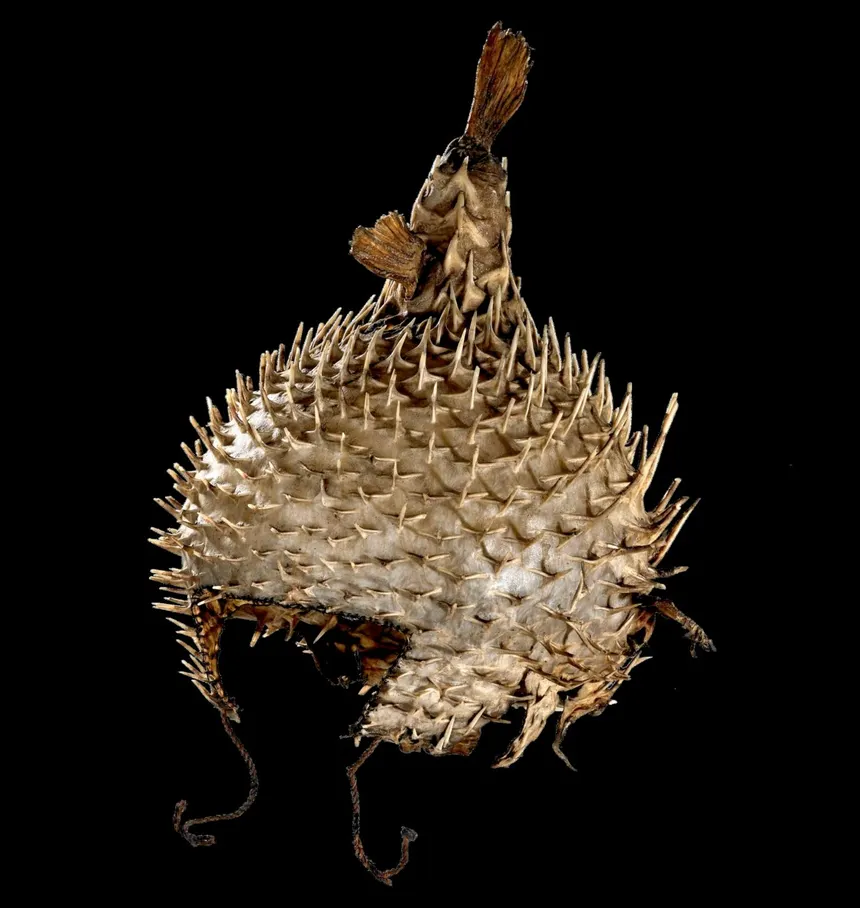
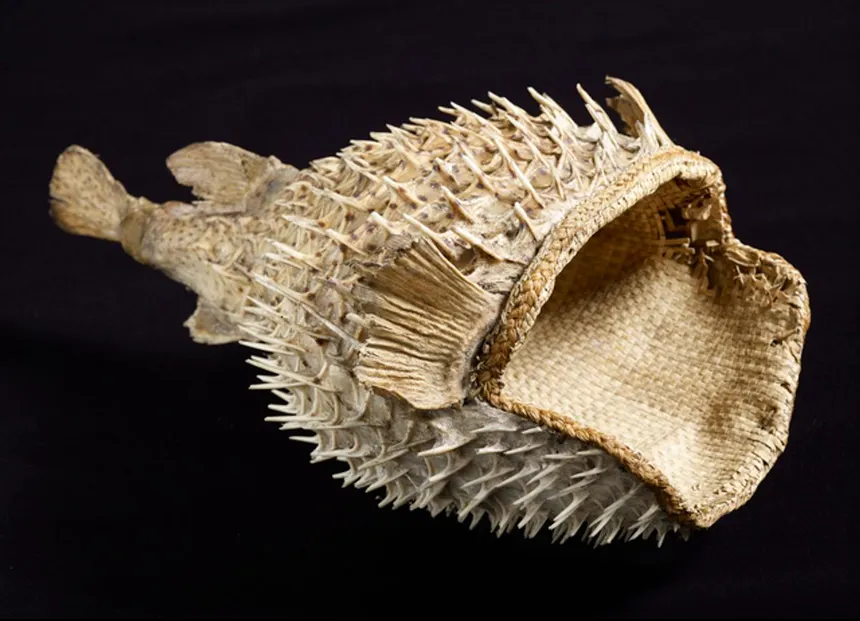
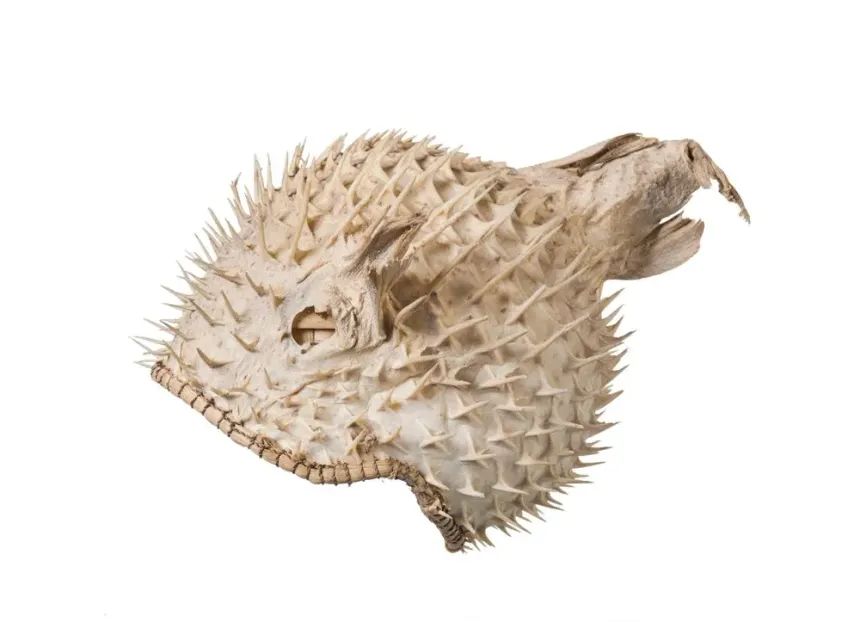
In the 19th century, the islands of Kiribati in the central Pacific were home to a unique warrior tradition. Among the most striking artifacts of this culture were the te barantauti helmets, crafted from the dried skins of puffer fish or porcupine fish. These helmets were more than protective gear—they were symbols of status, courage, and the deep connection between islanders and their maritime environment.
Kiribati warriors were highly skilled seafarers, defending their communities from rival islands and asserting dominance in inter-island conflicts. The te barantauti helmets reflect a combination of practical ingenuity, artistic expression, and cultural symbolism.
The Origins of Te Barantauti Helmets
Island Warfare and Necessity
The archipelago of Kiribati consists of low-lying atolls, where communities relied heavily on fishing and small-scale agriculture. Conflicts often arose over resources, land, and fishing territories.
To protect themselves during skirmishes, warriors developed specialized equipment using available natural materials. Among these innovations was the te barantauti helmet, made from the resilient skin of puffer fish or porcupine fish.
Cultural Significance
The helmet was more than functional armor. It symbolized bravery, skill, and spiritual protection. Puffer fish were considered sacred and powerful, and wearing their skin was believed to convey the creature’s defensive and formidable qualities to the warrior.
Materials and Construction
Puffer Fish and Porcupine Fish
Puffer fish and porcupine fish, known for their inflating bodies and spines, provided durable and flexible skin. Once dried and treated, the skin became hard enough to offer protection yet light enough to wear in battle.
Crafting Techniques
The creation of a te barantauti helmet involved several steps:
-
Skinning the fish carefully to preserve its natural shape.
-
Drying the skin under the sun, ensuring it retained its toughness.
-
Shaping and binding the skin into a helmet form, often using fibers from coconut or pandanus leaves for stitching.
-
Decorating the helmet with pigments, feathers, or carvings to signify the warrior’s rank and achievements.
The result was a helmet that was both protective and ceremonial, demonstrating the artisan’s skill and cultural knowledge.
Role in Warfare
Protection in Battle
Te barantauti helmets provided limited but effective protection for head strikes during combat. While they could not stop a spear or heavy club entirely, they deflected glancing blows and offered psychological confidence to the wearer.
Symbol of Status
Wearing a te barantauti helmet also signaled prestige and courage. Only experienced warriors and leaders would possess elaborately decorated helmets, marking them as respected figures in Kiribati society.
Ritual and Combat Readiness
Before engaging in battle, warriors often performed rituals, invoking protection from ancestors and the spiritual power of the puffer fish. The helmet played a central role in these ceremonies, linking the physical and spiritual realms.
Artistic and Symbolic Features
Decoration and Rank
Some helmets featured painted designs or carvings, representing clan affiliation, victories in previous battles, or spiritual motifs. Feathers and shells were sometimes attached to intimidate opponents and honor protective spirits.
Connection to Nature
The use of puffer fish and porcupine fish reflects the Kiribati people’s intimate knowledge of their environment. By harnessing the defensive properties of these marine animals, warriors symbolically imbued themselves with the fish’s strength and resilience.
Ritual Importance
Beyond combat, the helmet was used in ceremonial dances and initiation rites, highlighting the warrior’s role within the social and spiritual fabric of Kiribati culture.
Comparison with Other Pacific Helmets
Hawaiian and Polynesian Helmets
In Hawaii, warriors used ironwood or coconut fiber helmets, while in Polynesia, tapa cloth and shell decorations were common. Compared to these, the Kiribati te barantauti helmets were unique for using actual animal skin as armor.
Innovation and Adaptation
The helmets reflect a practical adaptation to island resources, showing how maritime societies creatively used what was available to protect themselves in both ritual and combat contexts.
Preservation and Modern Recognition
Museum Collections
Some te barantauti helmets survive in ethnographic and historical museums, where they are displayed as examples of Pacific Island ingenuity. Preservation is challenging due to the organic materials, which are susceptible to humidity, insects, and decay.
Cultural Revival
Modern Kiribati communities celebrate these warrior traditions through cultural festivals, dances, and educational programs, keeping the legacy of te barantauti alive for future generations.
Fun Facts About Te Barantauti Helmets
-
Puffer fish can inflate and display spines as a natural defense, inspiring the helmet’s symbolic power.
-
Helmets were often paired with shields made from coconut husks or turtle shells.
-
Te barantauti helmets were sometimes passed down through generations as heirlooms.
-
The helmet’s decorations often included ancestral symbols, linking the wearer to protective spirits.
-
Only warriors trained in combat and ritual could earn the right to wear a fully decorated helmet.
Significance in Kiribati History
The te barantauti helmet is a tangible link to 19th-century Kiribati warrior culture. It highlights:
-
The ingenuity of island societies in creating functional and symbolic armor.
-
The role of ritual and spirituality in warfare.
-
The connection between humans and marine life in daily life and spiritual practice.
The helmet represents not just a martial artifact but a cultural statement about resilience, courage, and the interplay between humans and nature in Kiribati society.
Visiting Kiribati and Learning More
Cultural Tours
While the islands are remote, visitors to Kiribati can explore cultural heritage sites, interact with local communities, and learn about traditional warrior practices and rituals.
Museums and Exhibits
Museums in the Pacific region and ethnographic collections worldwide display examples of te barantauti helmets, offering insight into Kiribati’s unique maritime culture.
Conclusion: A Symbol of Ingenuity and Courage
The te barantauti helmet of Kiribati warriors is more than a piece of armor—it is a symbol of ingenuity, cultural identity, and spiritual power. Crafted from the dried skins of puffer fish or porcupine fish, these helmets protected warriors, conveyed status, and connected humans with the natural world.
Today, the te barantauti helmet stands as a testament to the resourcefulness and creativity of Pacific Island societies, offering a window into a bygone era of warrior culture and maritime life. By studying and preserving these artifacts, we honor the courage and artistry of Kiribati’s ancestors.
ALSO READ: The 2000-Year-Old Green Serpentine Mask of Teotihuacán: Mystery Beneath the Pyramid of the Sun